Saeima postpones deputy compensation changes, commentator Bens Latkovskis criticises the move
Latvia's Saeima has decided to remove deputies' transport and housing compensation rules from its rules of procedure and regulate them later in a remuneration law, keeping the current system until then. Commentator Bens Latkovskis calls this a failure to deliver the change voters wanted.
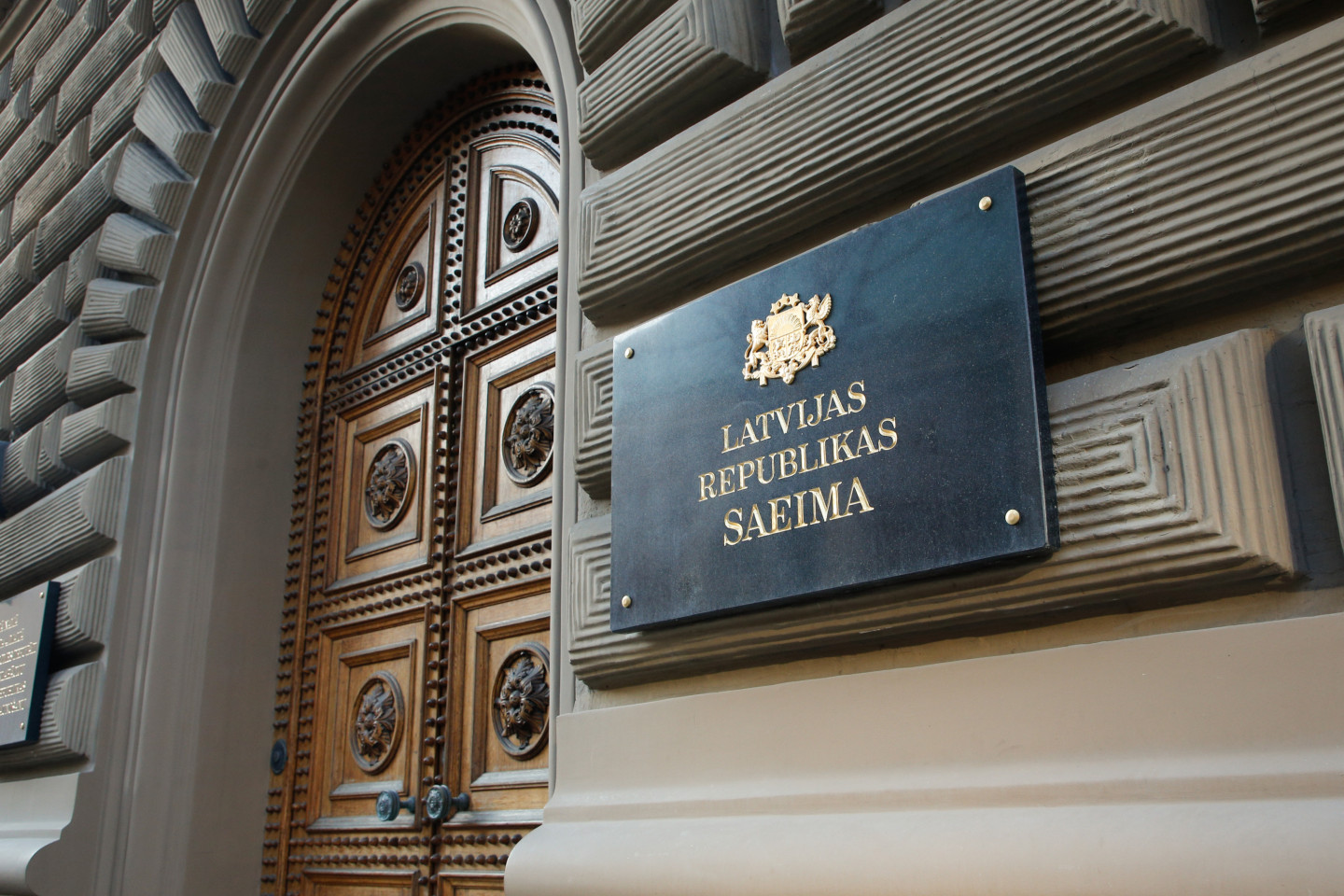
Latvia's parliament, the Saeima, has decided that deputies' transport and housing compensation will no longer be governed by the Saeima's rules of procedure but by a remuneration law. Until the new rules are drafted and take effect, the current system stays in place. In a commentary for the portal NRA, Bens Latkovskis criticises the decision as an example of politicians resisting the change voters expected after the Saeima election on 3 October this year.
What the decision says
According to the Saeima's own announcement, the provisions on these compensations will be removed from the rules of procedure. The matter is to be moved to the law on the remuneration of officials and employees of state and municipal institutions, so that pay and work-related expense rules are set in one place on common principles. Latkovskis notes that no deadline has been set for drafting the rules, that committee work has not started, and that it is unclear when the issue will return to the agenda.
Proposals made before the election
The topic had already surfaced publicly before the vote. Kristaps Krištopans proposed fixed supplements for deputies, with no receipts or other paperwork. Juris Viļums suggested cutting the compensation by 30%. Other proposals would set a limit of 50 or 70 kilometres, with only those living beyond it eligible for compensation or a salary supplement.
The author's assessment
Latkovskis argues that the Unified List and its leader, Prime Minister Andris Kulbergs, won because the public wanted change. In his view, most politicians do not want significant changes to the system, and many deputies find it hard to separate personal interests from those of the state. He says nobody has named a case where a party struggled to find people willing to serve as deputies. During the debate, deputy Aleksandrs Kiršteins called the proposals populism. Latkovskis sees that as one of the defensive arguments deputies use to avoid change. He stresses that the issue is not about budget savings but about a change in attitude.