Latvian Samaritans head: state funds paid to NGOs are payment for social services, not gifts
Following public debate over NGO funding in Latvia, the head of the Latvian Samaritan Association explains that money his organisation received from the State Treasury is payment for delivered social services rather than a state handout. He stresses NGOs' role in developing social services and warns against judging the whole sector by dishonest outliers.
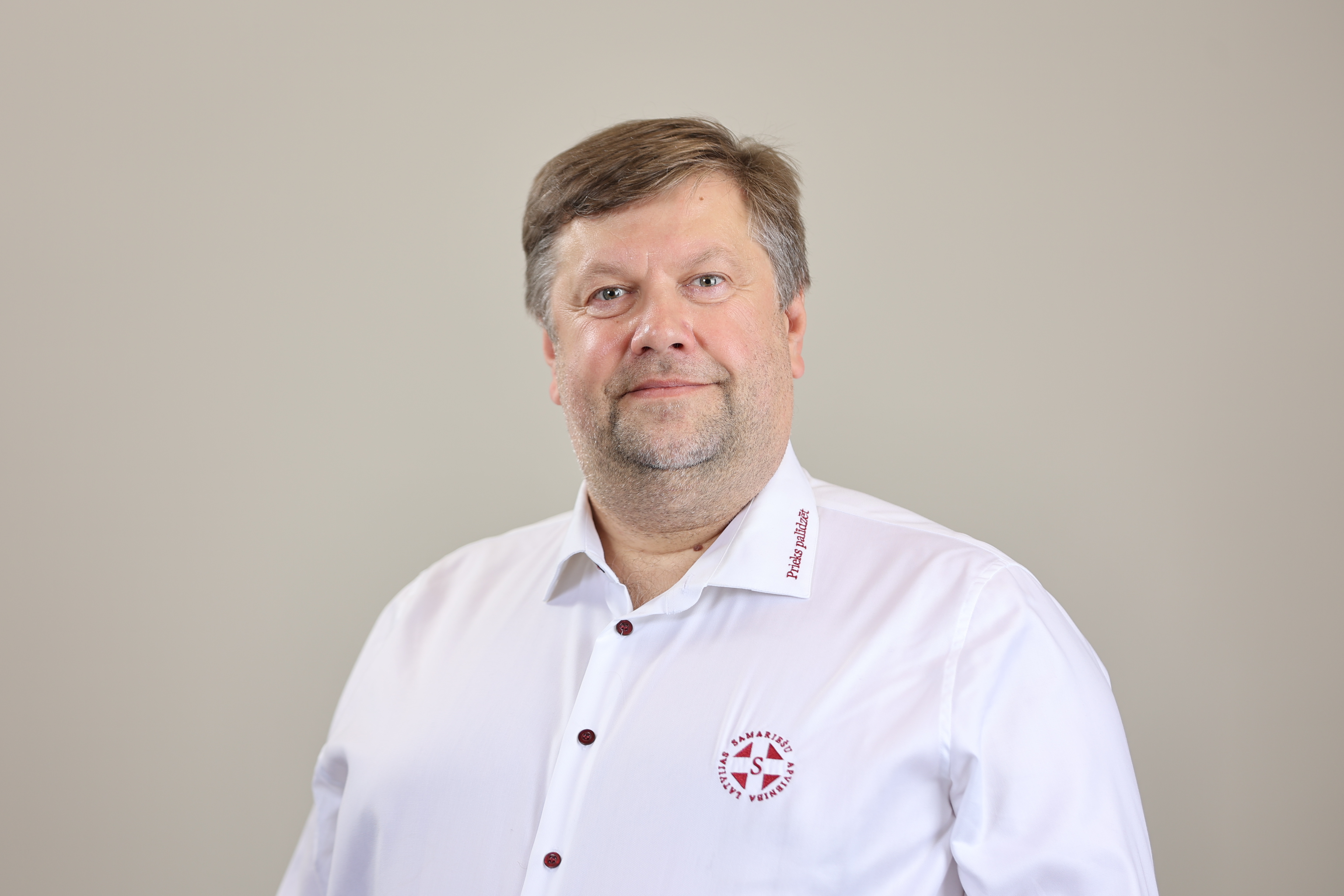
Recent weeks of public debate over funding for non-governmental organisations (NGOs) prompted Andris Bērziņš, head of the Latvian Samaritan Association, to speak out about the sector's role and how it operates.
Bērziņš notes that social problems are usually first noticed within families and communities, where people join together in associations to push for solutions in cooperation with municipalities. According to available statistics, of more than 25,000 NGOs registered in Latvia, around 5,000, or 20%, work in the welfare field. Of the country's 1,004 registered social services, 360, or 36%, were created and are provided by associations and foundations.
The nature of the funding
Bērziņš explains that the publicly reported figure of €6.36 million paid into the Latvian Samaritan Association's account by the State Treasury over three years should not be seen as a state gift, but as payment for services rendered. Nearly half of that sum, he says, is actually clients' own money — pensions and benefits — paid for care services, while 52.5% is project funding awarded through competitive calls from CFLA and the Society Integration Foundation (SIF), mostly EU money. As an example, he cites the family-type care centre "Bišumuiža", where awarded funding covered only 55% of total costs.
Advantages and risks of NGOs
Bērziņš argues that, unlike businesses or municipalities, NGOs have no profit motive or political interests, meaning the client remains their primary focus. As examples of successful solutions he cites the mobile care vans launched in 2013 for rural areas and the family-type care centre "SenRīga", opened in 2021.
At the same time, he acknowledges that fake or so-called "pocket" organisations exist within the NGO sector, but urges against judging the entire sector based on a few dishonest actors, stressing that responsibility for signing contracts and approving Treasury payments lies with state institutions.
/nginx/o/2026/08/21/17867436t1hc719.jpg)