Sao Tome and Principe Balances Global Powers Ahead of Elections
Sao Tome and Principe holds presidential elections on Sunday as the small island nation navigates its foreign policy between Russia and Western allies, with a military cooperation deal drawing international attention.
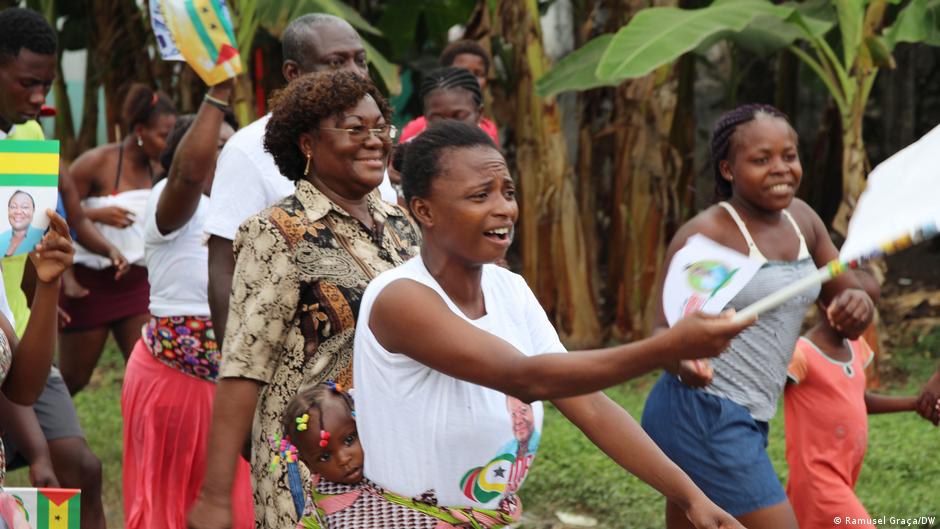
Voters in Sao Tome and Principe will elect a new president on Sunday, followed by parliamentary elections at the end of September. For the island nation of 245,000 people, these elections are a major domestic political event, but they are also attracting growing international interest.
Since signing a military cooperation agreement with Russia in April 2024, the Gulf of Guinea archipelago has drawn renewed geopolitical scrutiny. The key question is whether Russia seeks to expand its influence in the South Atlantic through this deal, or if it is largely symbolic, reflecting the country's long-standing policy of maintaining ties with a wide range of global partners.
Sao Tome and Principe, a former Portuguese colony off the coast of Gabon and Equatorial Guinea, celebrated 51 years of independence on July 12. Despite being one of Africa's smallest countries by size and population, its location on the equator in the Gulf of Guinea gives it strategic importance. The region is crossed by major international shipping lanes and holds significant oil and gas reserves, while piracy and organized crime make it a security hotspot.
Former Foreign Minister Elsa Pinto told DW: "Sao Tome and Principe is a small country, but because of its geographical location in the Gulf of Guinea, it has enormous strategic importance. Major commercial and military routes pass through our waters." She noted that the country's location has been a strategic asset for centuries.
The military agreement with Russia covers training, technical assistance, arms cooperation, intelligence sharing, and reciprocal naval and military aircraft visits. A separate accord was signed with Russia's Interior Ministry and the national police. Patrice Trovoada, the prime minister at the time, defended the deal, saying "We are an independent and sovereign country."
Political analyst Arzemiro dos Prazeres, a former parliament president, believes the agreement's significance is overstated. "The agreement... has remained largely ineffective. It was signed, but it has never been implemented," he told DW, adding that the real issue was the timing.
Pinto rejects claims that the country is turning away from the West. "Sao Tome and Principe wants to maintain good relations with all countries — the United States, Europe, Russia and China alike," she said, emphasizing that foreign policy remains rooted in non-interference and UN principles.
Four candidates are running in the presidential election, but incumbent Carlos Vila Nova is heavily favored after former Prime Minister Jorge Bom Jesus withdrew, citing a climate of "division and political tension." Analysts expect Vila Nova to win in the first round. The European Union has deployed an election observation mission.
Whether the Russia deal signals a genuine shift or pragmatic diversification, international interest in the country is growing. For Sao Tome and Principe, the priority is securing investment, aid, and security cooperation with many partners. The challenge ahead is preserving its carefully balanced foreign policy and diplomatic maneuverability.