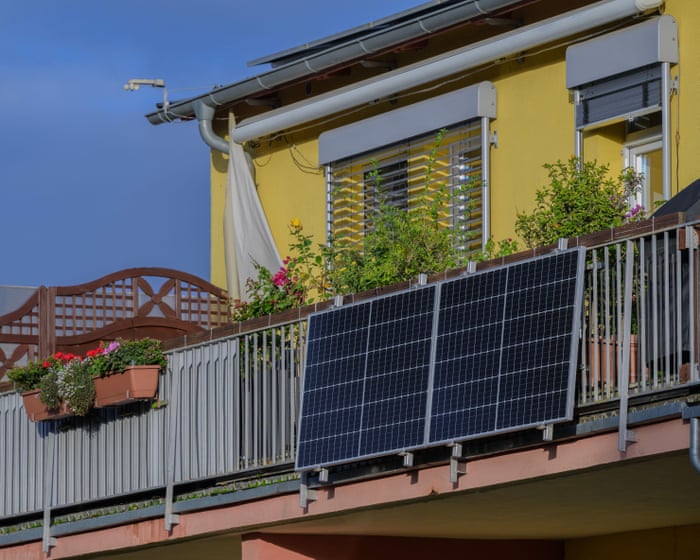
Solar power capacity keeps growing fast — but what happens to worn-out panels?
Global installed solar power capacity is expanding rapidly, and the industry is increasingly focused on what happens to panels once they reach the end of their working life. Old panels contain both valuable and hazardous materials, and recycling systems are still developing.
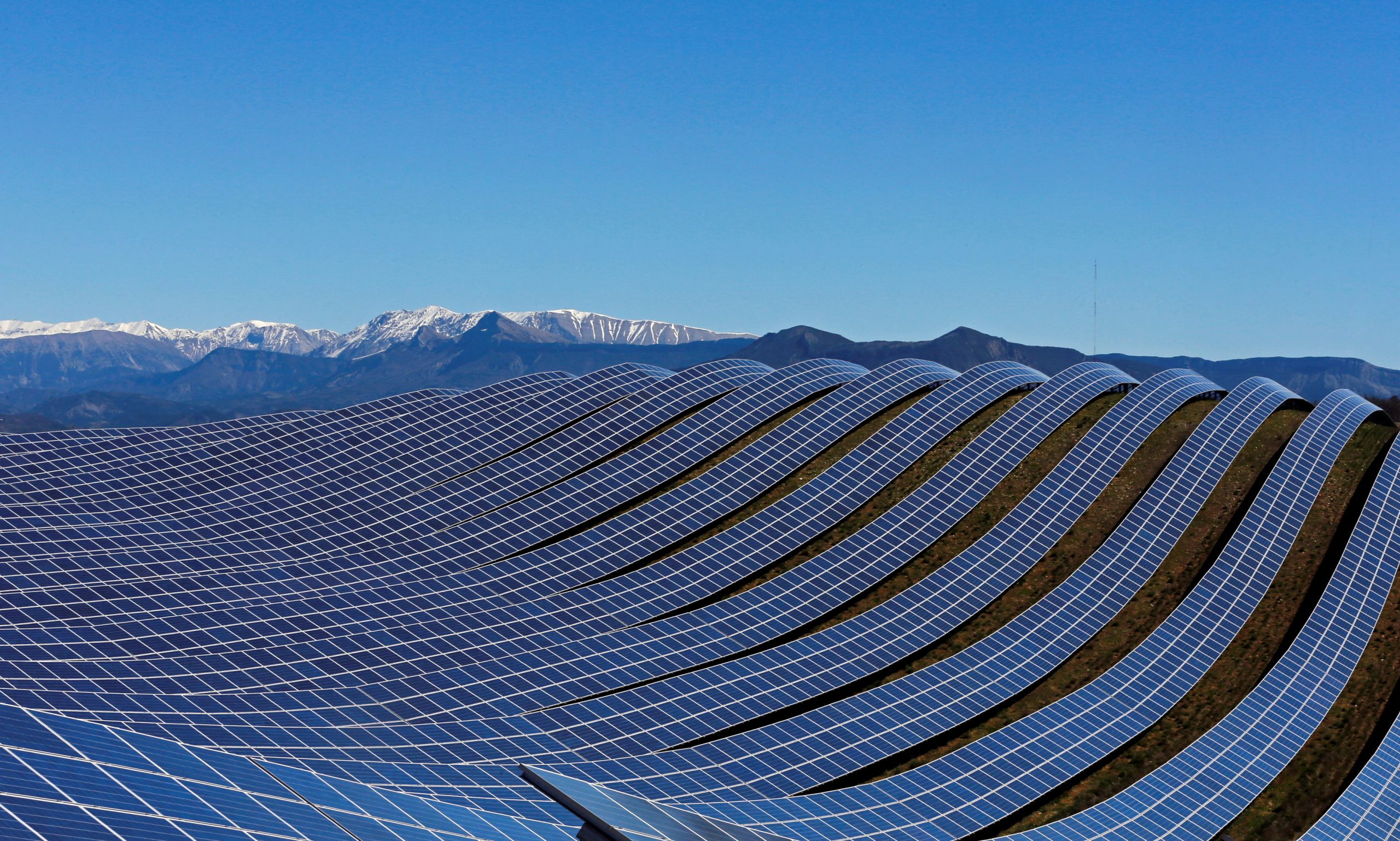
Solar energy use worldwide has been growing at an extraordinary pace. It took the industry nearly seventy years to reach its first terawatt of installed solar capacity, but only two more years to reach the second — by the end of 2025 global installed capacity had already surpassed 2.4 terawatts. The International Energy Agency expects solar to account for the majority of new renewable capacity added globally in the coming years.
Valuable but also hazardous materials
Solar panels contain materials such as silver, silicon, copper and glass, but they can also contain hazardous substances like lead and cadmium. This means managing worn-out panels is not simply a waste issue but also an opportunity to recover valuable raw materials. Estimates suggest that by 2040 the value of metals recovered from decommissioned panels could reach several billion dollars a year, covering a significant share of the silver and part of the copper and aluminium the industry will need.
Waste volumes could rise sharply
Existing recycling capacity in major markets, including the European Union, China and the United States, currently appears able to handle present volumes. However, the picture could change significantly in coming decades — forecasts suggest panel waste could grow from a few hundred thousand tonnes today to tens of millions of tonnes by around 2040, and considerably more after that. A further complication is that worn-out panels are often scattered across wide areas, which can make collection and recycling economically unattractive.
In the European Union, panel recycling has been mandatory for over a decade, funded by manufacturers. China has introduced similar obligations for power plant owners.
Durability complicates recycling
The industry is also debating whether panels should be designed for easier recycling or for maximum durability. The protective layer that shields panels from weather also makes it harder to recover materials cleanly. Some experts note panels may last longer than originally expected, meaning actual waste volumes could grow more slowly than forecasts suggest. Reusing panels after inspection and certification is seen as an alternative to recycling.
Industry representatives stress that solar waste remains far smaller in scale than waste from coal power or plastics, though they acknowledge clearer future regulations are still needed.