Solar parks can become a refuge for bees, five-year Minnesota study finds
Researchers spent five years observing two solar parks in Minnesota, USA, and found that insect numbers tripled while bees thrived. The panel fields, seeded with native grasses and wildflowers, turned into a shelter for pollinators.
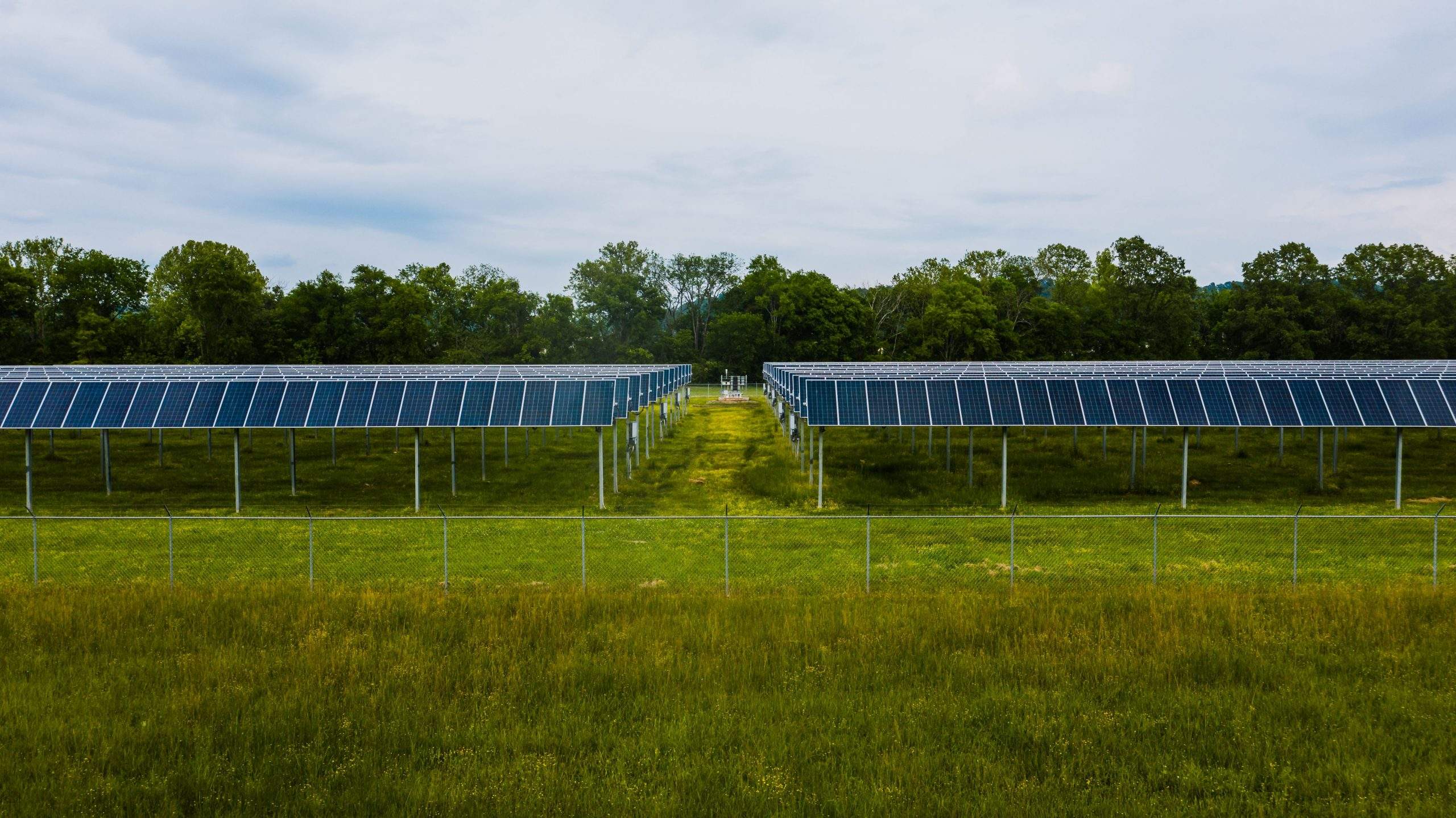
The rapid expansion of solar energy worldwide requires vast tracts of land, and critics have long warned that large-scale panel installations may come at the expense of nature. However, new long-term observations in the United States suggest this does not have to be the case if solar parks are designed with ecology in mind.
For five years, researchers monitored two solar facilities in the state of Minnesota. These projects differed from conventional designs from the outset. The panels were mounted slightly higher, and the ground beneath them was not covered with gravel or kept as frequently mowed turf. Instead, builders carefully selected seeds of native grasses and wildflowers and sowed them directly under and between the panel rows. The intention was to restore the area's original vegetation, which would also keep soil in place and retain moisture.
Season after season, scientists returned to count living organisms at both sites, and the numbers kept rising. By the end of the study, insect abundance in the two solar parks had tripled. Among them, bees stood out as the most significant finding. Bee populations worldwide have been struggling due to the loss of meadows and wild habitats, yet these pollinators were not merely surviving under the solar panels — they were thriving. Equipment built to capture sunlight had quietly become a shelter for insects threatened by urbanisation and climate change.
The results challenge the assumption that every new solar park represents a lost corner of nature. They indicate that thoughtful planning and restoration of native vegetation can turn energy infrastructure into a habitat that supports biodiversity. The findings also suggest that, with the right approach, renewable energy development can be reconciled with environmental protection, rather than inevitably damaging it.