Ancient DNA reveals earliest known plague outbreak
Siberian graves contain ancient DNA evidence of plague outbreaks 5,500 years ago, primarily affecting children, according to a new study.
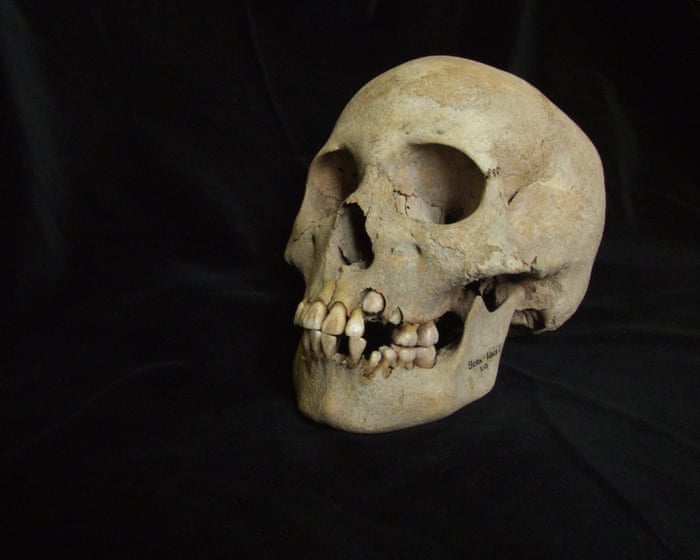
An international team of researchers has uncovered the earliest evidence of a plague outbreak by analyzing ancient DNA from Stone Age cemeteries in southeastern Siberia. Dental pulp from the teeth of hunter-gatherer skeletons buried along the Angara River near Lake Baikal revealed the presence of Yersinia pestis, the bacterium responsible for plague. Out of 42 skeletons tested, 18 (39%) contained Y. pestis DNA—a higher proportion than seen in some medieval plague pits. Given DNA degradation over time, scientists suspect that all those buried may have died from the disease.
Published in Nature, the study describes two distinct outbreaks: the first beginning around 5,500 years ago and a second 400 to 600 years later. The bacterium itself emerged at least 5,700 years ago, splitting from its ancestor Yersinia pseudotuberculosis. The hunter-gatherers likely contracted pneumonic plague after butchering or eating raw marmots, a practice that still causes plague deaths today. After spilling over from the ground squirrels, the disease spread from person to person, devastating families and close contacts.
A striking finding is that over two-thirds of the dead at two cemeteries were children under 15. The Ust-Ida cemetery, where shared graves predominantly contained children, had long puzzled archaeologists. Ancient DNA analysis showed that the plague bacterium carried a superantigen—a toxic protein—that could trigger severe immune reactions, making the disease particularly lethal for children who lacked prior immunity. Adults who may have survived earlier outbreaks likely had some protection.
This discovery challenges the notion that plague only affected densely populated, rat-infested cities. Small communities of prehistoric hunter-gatherers were far from safe, as they had frequent contact with wild species—the primary reservoirs of the disease. The study also shows that early forms of plague were deadly even before they acquired the virulence genes that later allowed bubonic plague to spread via fleas and rodents.