Ancient Latvian Sexuality in Folk Songs: From Banned Collections to Bold Metaphors
A forbidden volume of 'Latvju tautas dainas' and a modern collection reveal ancestors' open views on sex, using symbolic imagery.
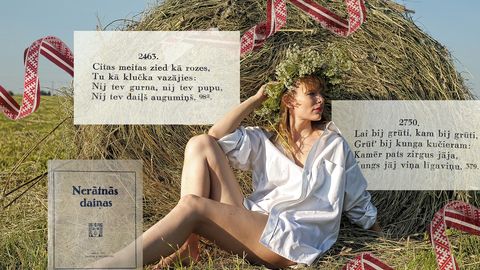
A new look at ancient Latvian folk songs reveals that our ancestors were much more open about sexuality than commonly assumed. The 11th volume of 'Latvju tautas dainas', published in 1932, was marked on its first page as forbidden from open sale, hinting at its daring content.
In the collection 'Puisīts tek uz meitiņu' ('The Boy Runs to the Girl'), with a preface by poet Knuts Skujenieks, naughty dainas are compiled using vivid natural and everyday imagery. The male genitalia is often referred to as a little horse, rooster, ferret, Midsummer grass, eel, scythe, or pipe, while the female intimate area is called a lake, squirrel, path, or rose bed. These figurative terms point to a rich erotic symbolism.
Skujenieks notes in the preface that ancestors endured, survived, and created us, all while humorously singing: 'Lie on top, son of the people, I lay underneath, I talked with God, you looked into hell.'
Ancient Latvians considered sex a good thing and practiced it in various places – barns, forest edges, during Jāņi, threshing floors, under carts. The folk songs attest to oral sex, masturbation, and even contraception, dispelling the stereotype of Nordic restraint.