Seven seats for the family: how the 5+2 formula reached modern cars
The seven-seat family car concept began with estate cars and minivans, but today the 5+2 formula is offered mainly by mid- and large-size SUVs. In Latvia, the choice of plug-in hybrids with seven seats remains limited.
The idea of a seven-seat family car predates the rise of SUV popularity. In the latter half of the 20th century, some large estate cars, such as the 1977 Volvo 245, could be ordered with folding extra seats in the boot, where passengers sat facing backward. When the extra seats weren't needed, they could be folded flat to create a level loading floor.
From estates to minivans
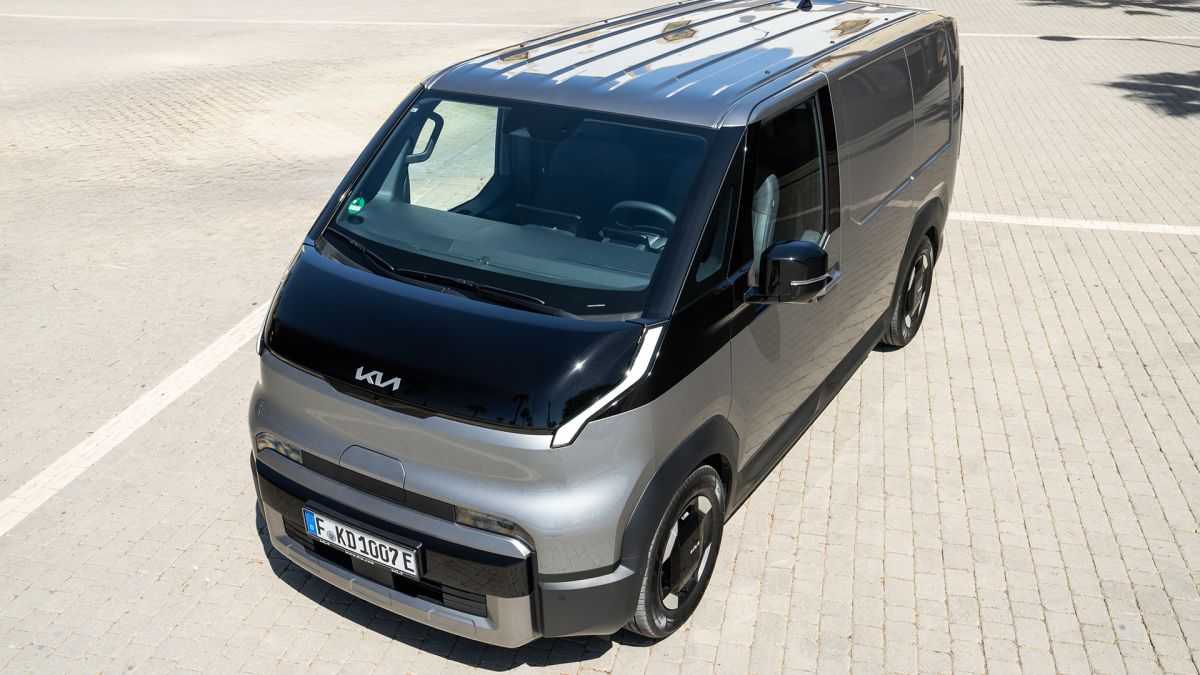
The 1980s brought a new stage in family car development with the arrival of minivans. Chrysler's minivans debuted in the US in 1983, followed a year later by the Renault Espace in Europe. Their tall bodies and reconfigurable seats allowed the cabin to be used flexibly for passengers or cargo, with adults able to sit comfortably in the third row. In 1996, the seven-seat concept reached a more compact model, the Renault Scénic.
SUVs take over as the family car
According to JATO Dynamics, SUVs accounted for 54 percent of all new car registrations in Europe in 2024, and the seven-seat offering has gradually shifted to this segment as well — even the Renault Espace became a crossover in its fifth generation. Estate cars have essentially stopped offering a third row, while minivans and passenger vans remain a small share of the market.
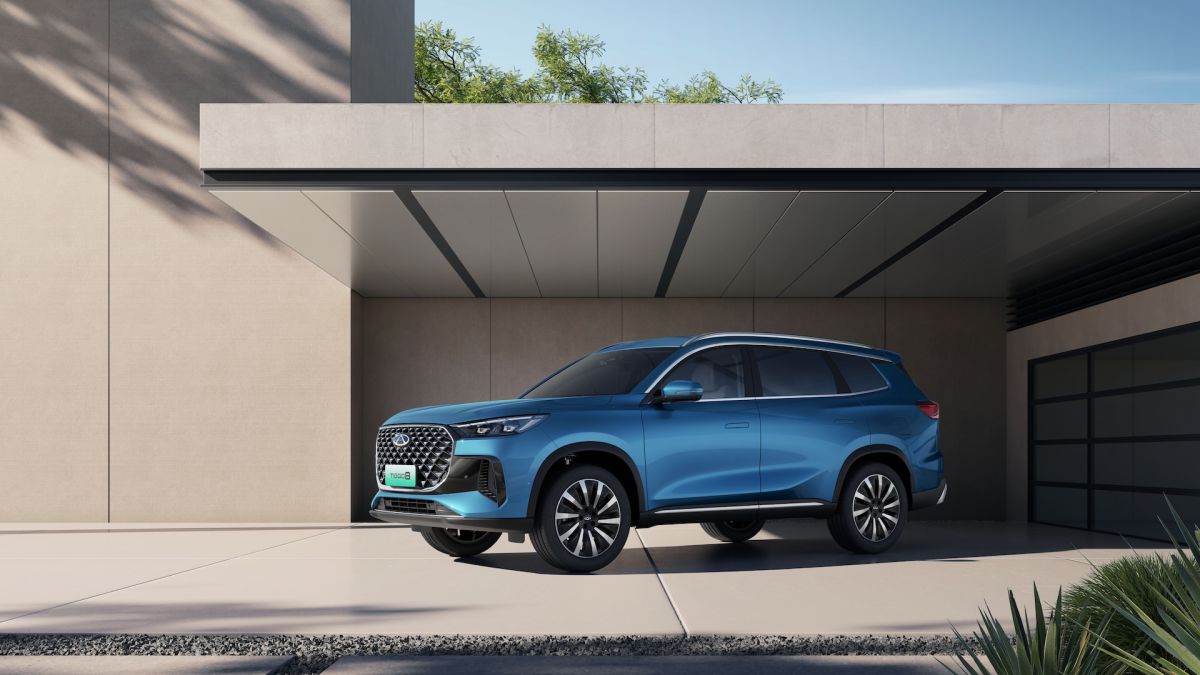
Fitting seven seats into plug-in hybrids is more difficult, since the battery takes up space under the floor. In Latvia, for example, the Škoda Kodiaq iV is offered only with five seats, while the Chery Tiggo 8 PHEV, Mazda CX-80, Hyundai Santa Fe and Kia Sorento offer seven-seat plug-in hybrid versions. The Chery Tiggo 8 PHEV starts at €40,990 in Latvia, the Mazda CX-80 PHEV had a special price of €49,900, the Hyundai Santa Fe PHEV starts at €56,999, and the Kia Sorento PHEV at €61,990.
Not all seven seats are equal
Experts recommend judging third-row suitability by sitting in it rather than relying on spec sheets — checking legroom and headroom, access with a child seat installed, and how far the second row can slide. With all seats up, the boot typically holds only a few soft bags. That is why the 5+2 setup suits families who need the extra seats occasionally rather than for daily use.