Seven ways to trick yourself into eating healthier
Food choices are strongly influenced by sight, sound, smell and surroundings. Psychologist Charles Spence and other experts suggest seven simple tricks to use these cues for healthier eating.
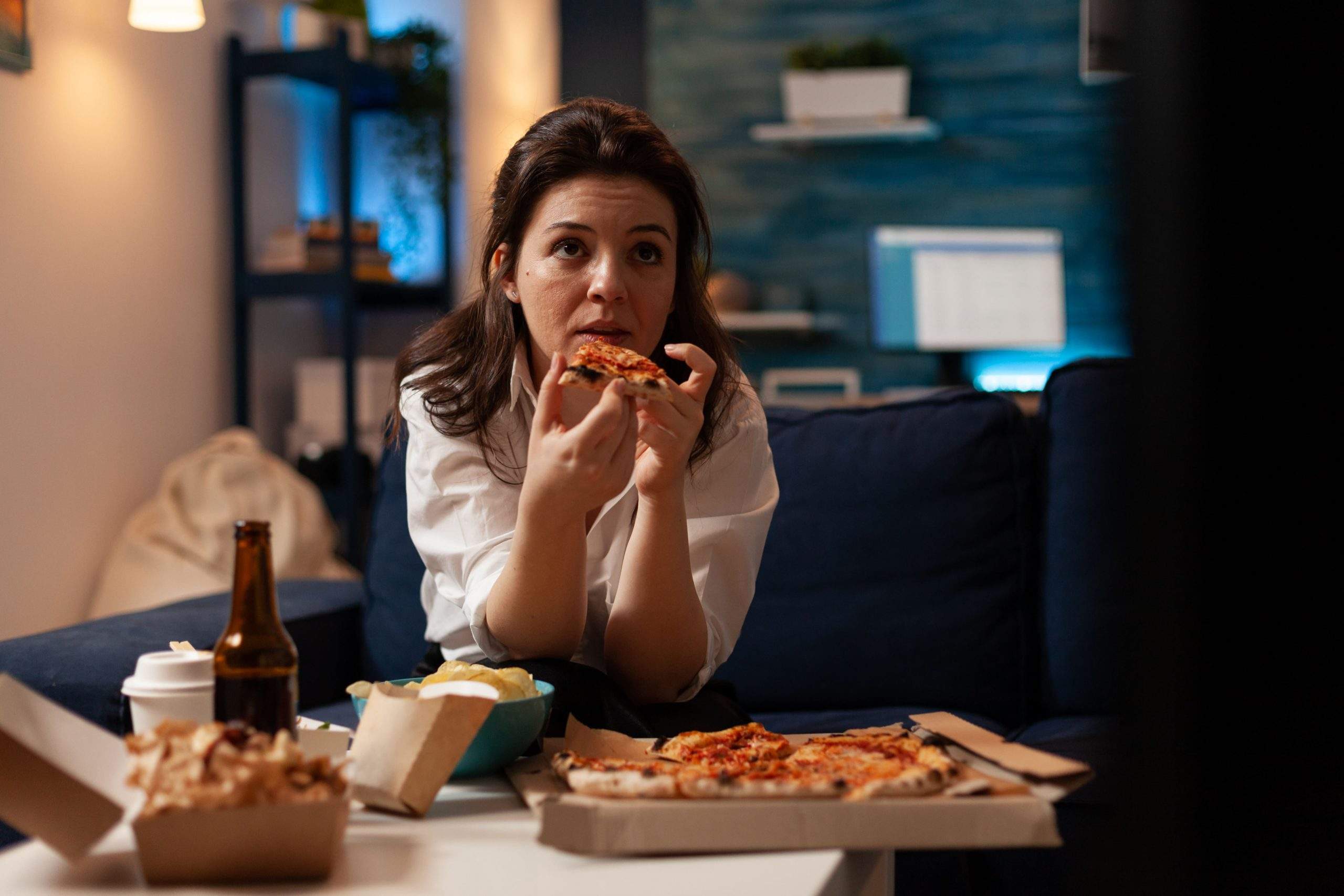
People often believe they fully control what ends up on their plate and how much they eat. In reality, external signals such as sight, hearing, smell and the surrounding environment play a major role, shaping both shopping decisions and portion sizes. According to Charles Spence, a food science psychologist at Oxford University, the brain forms an impression of food before the first bite, based on how it looks, sounds and smells. This process is largely automatic, but it can be harnessed to encourage healthier choices.
Here are seven methods recommended by experts.
-
Bright packaging is a trap. Vivid, colourful packaging in shops draws attention and can make a product seem more appealing, influencing impulsive purchases. Colours also shape perceptions of healthiness: brown, green and white are associated with wholesome food, while red, yellow or shiny materials signal treats. To avoid spontaneous snacking, experts suggest storing tempting products in opaque containers at home.
-
Products at eye level. Shelf placement in supermarkets is deliberate. Items at eye level are noticed first, while healthier alternatives are often placed higher or lower. Convenience, rather than careful consideration, often drives what people choose.
-
Choose a heavier plate. Heavier dishes can create a feeling that the meal is more substantial and satisfying. This may change how people perceive the amount of food and help them feel full sooner.
-
Eyes eat first. Visual presentation has a strong effect on taste perception. A neatly arranged, colourful plate can boost appetite and make healthy foods more appealing. In experiments, people rated the same salad as tastier and were willing to pay more when it was presented artistically rather than thrown together.
-
Music tempo matters. Slower background music during a meal encourages calmer, more mindful eating, which can lead to a better awareness of how much has been consumed.
-
More volume with fewer calories. Adding vegetables or foods with lower calorie density increases the overall volume of a meal. This helps maintain fullness while reducing calorie intake.
-
Dessert can still be tempting. A sweet course can stimulate the desire to eat even after satiety has been reached, due to visual and emotional cues. Recognising this makes it easier to notice when the urge to eat is no longer linked to hunger.
/nginx/o/2026/09/29/17944661t1ha04d.jpg)