Woman publicly describes hospital experience: bedridden patients left without help eating or taking medication
A woman has shared on Facebook her experience as a hospital patient, saying that bedridden and seriously ill patients may not receive basic help. She calls on the Ministry of Health and hospital management to look at the quality of care in wards.
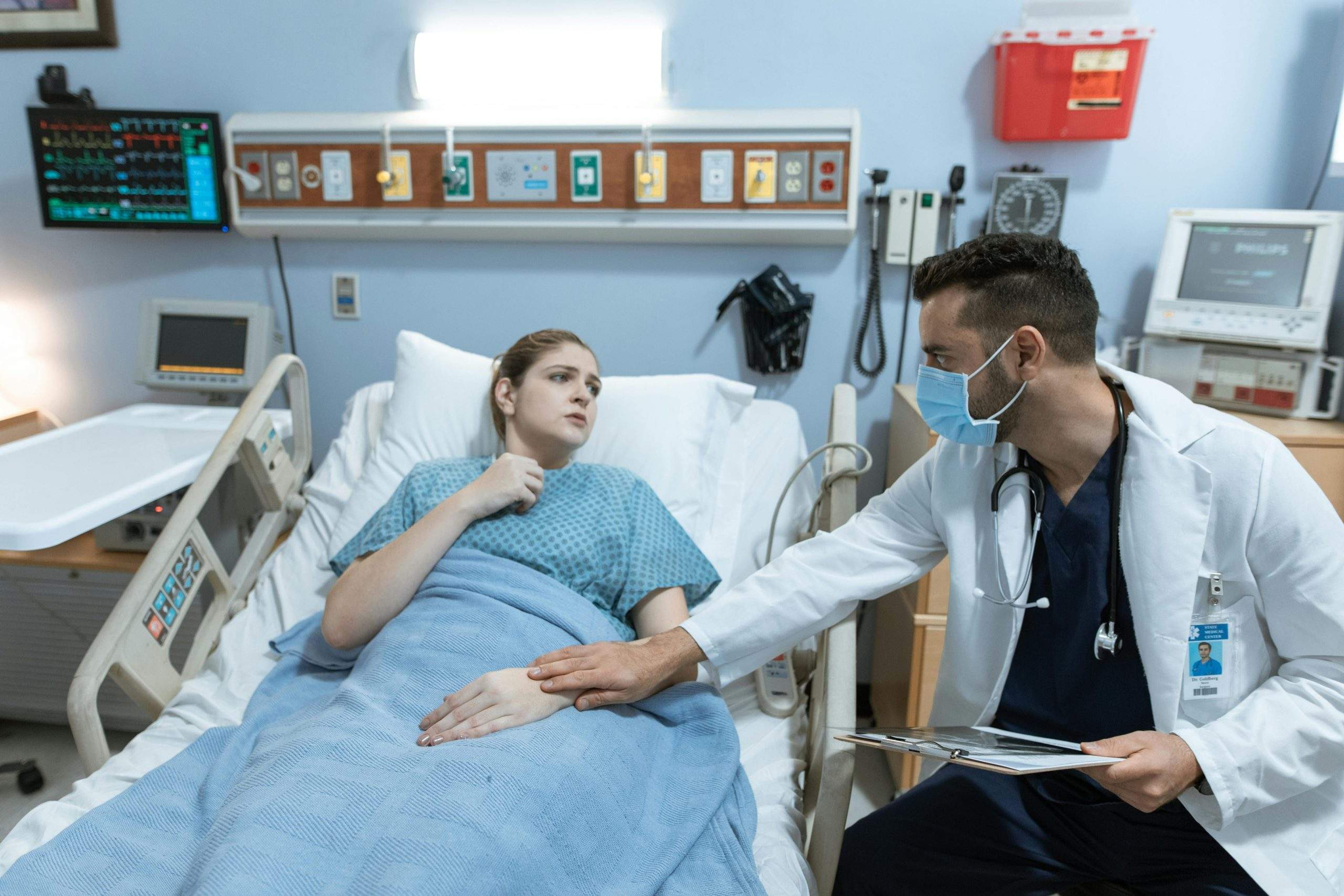
A woman in Latvia has publicly described her hospital stay on the social network Facebook, pointing to problems in the care of bedridden and seriously ill patients. Her post, which has also been published by the media, prompts a discussion on whether patients who cannot look after themselves receive the help they need. The author's name and the hospital are not given in the publication.
What the woman saw
The author says her experience was not entirely negative. She praised the hospital's food and said that nurses, as far as she could observe, were kind to patients who could get up, talk and ask for help.
However, she says the situation was different for bedridden patients in a more serious condition. She describes cases in which a patient was brought medication or food and told to take it, even though after a stroke the person could not lift an arm or a spoon. As a result, the medication and food stayed untouched. Together with another patient in her ward, the woman tried to help an elderly patient by giving her drinks, feeding her and helping her take her pills.
Questions about paracetamol
The author mentions another case. On her third day of treatment she herself began receiving paracetamol intravenously, and she noticed the same drug being given to neighbouring patients with different complaints: back pain, dizziness and a past stroke. When she asked, a nurse reportedly replied that it was "a fashionable thing now". The woman asks whether each patient's condition is assessed individually. She stresses that she is not a doctor and does not claim a specialist's knowledge.
Appeal to officials
The woman says she understands the heavy workload and difficult conditions of medical staff, but argues this does not remove the question of care quality. She urges hospital management, responsible institutions and the Ministry of Health to pay attention to what happens in wards, not only to the treatment process on paper.
The publication does not include a response from the hospital or the Ministry of Health.