On Scotland's Islay, whisky is helping rebuild farming and local food culture
The Scottish island of Islay, famous for its whisky distilleries, is increasingly supporting a broader food and drink scene, from seafood restaurants to chocolate and beer. Distilleries are also helping sustain farming, infrastructure and jobs for islanders.
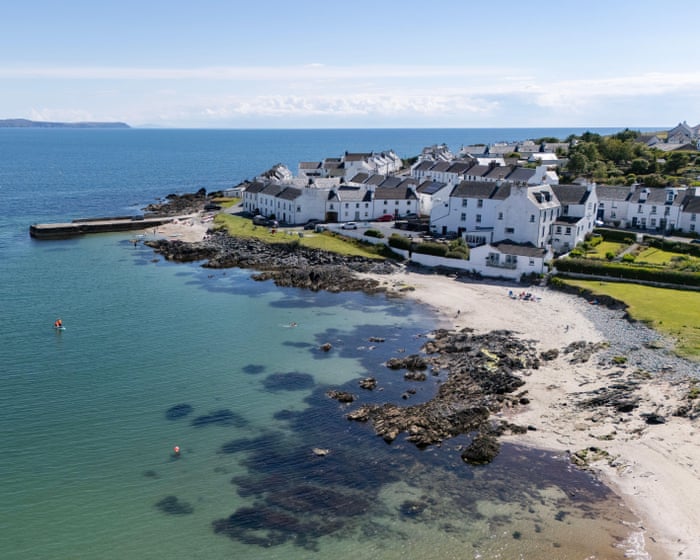
Islay, an island off Scotland's west coast, is world-renowned for its heavily peated single malt whiskies, with 10 working distilleries and an 11th soon to open. Yet beyond drink, the island is developing a food and drink scene rooted in agriculture, fishing and hospitality.
At Bruichladdich, one of Islay's smallest distilleries but its largest private employer, new owners began encouraging local farmers to grow barley on the island again, a practice that had lapsed since the second world war. After Islay's last creamery closed in 2000 and the dairy industry collapsed, barley farming gave landowners a new use for their fields. Today 21 farms on Islay grow barley for Bruichladdich, supplying half its needs, with experiments in rye also showing promise.
Whisky is deeply woven into island life. Many Islay families have at least one member working in the industry, and distilleries often help each other out, lending equipment when needed. The sector also supports local infrastructure, funding a full-time fire service — unusual for rural Scotland — and even heating the island's swimming pool using waste energy from Bowmore distillery.
Other local food and drink businesses are also growing. Islay Ales, a brewery founded in 2004, uses local water and barley, sending its spent grain to farms for animal feed. Islay Cocoa makes chocolates using local ingredients such as sea salt and coffee, and collaborates with whisky brands to create pairing products.
Restaurants across the island, including Lochindaal Seafood Kitchen and the Ardbeg House hotel, serve fresh local seafood and produce, reflecting high expectations among visitors and residents alike.
Before the Clearances, roughly 15,000 people lived on Islay; today the population is just over 3,000. While whisky helped shape the island's history, it is now also helping rebuild its farms, businesses and reasons for people to stay.