Šlesers: Sanctions Fallout With Russia Would Last Another Decade Even If War Ended Tomorrow
Ainārs Šlesers, head of the party “Latvija pirmajā vietā”, said on TV24’s “Naudas cena” that sanctions-related problems would persist for about 10 years even if the war ended immediately. He also criticised the government’s approach to ports and transit.
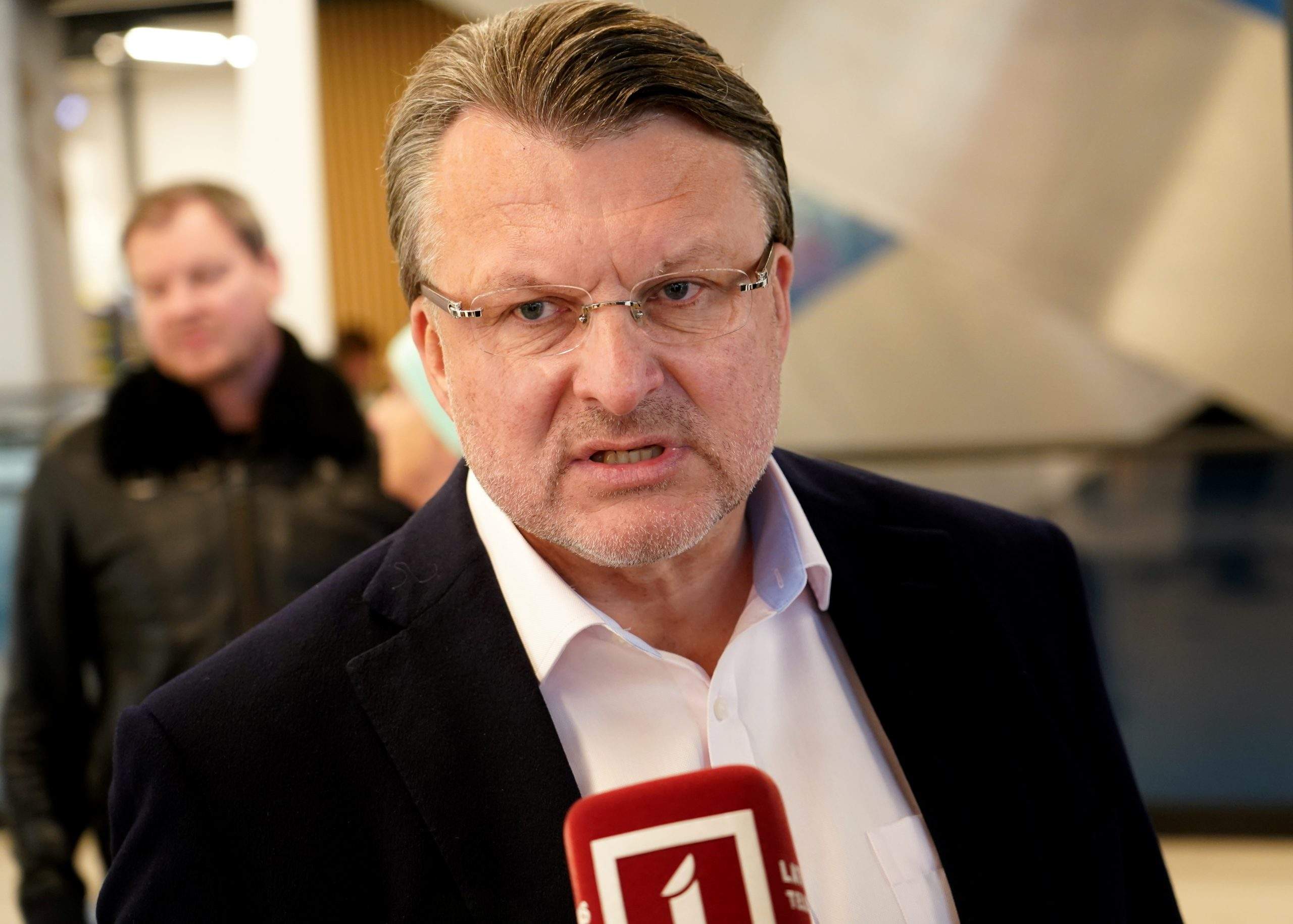
Ainārs Šlesers, chairman of the board of the party “Latvija pirmajā vietā” (Latvia First), a Riga City Council member and a deputy of the 15th Saeima, said on the TV24 programme “Naudas cena” that sanctions and problems in relations with Russia would remain for roughly another ten years even if the war ended tomorrow. He also criticised the government’s handling of Latvia’s ports and transit sector, calling it inconsistent. The topic matters because port competitiveness and relations with Russia continue to fuel debate about the country’s economic future.
Ports and political stance
Šlesers recalled that he served as transport minister from 2004 to 2009 and said decisions on transit require a clear political position. In his view, if the state wants to cut all economic ties with Russia, it must be ready to make corresponding decisions about ports and railways as well.
He stressed the geographic advantage of Latvia’s three ports, but pointed to a shortage of cargo and difficulty competing with neighbouring countries. He argued that ports should not be closed simply because Russia’s current policy is disliked, and that the country should think in much longer time frames.
Comparison with Lithuania
Šlesers claimed that Lithuania earns considerable income from cargo shipments to Kaliningrad, allowing its ports to offer lower tariffs that Latvian ports cannot match. According to him, about ten million tonnes of cargo are carried to Kaliningrad with Lithuanian and European approval. He believes Latvia should more actively seek ways to develop transit and attract cargo from other regions rather than rely on past economic ties.
US investment in Central Asia
On the programme he also mentioned US Secretary of State Marco Rubio’s visit to Uzbekistan and the investment agreements announced there, worth 12 billion in Central Asia. He asked why Latvia does not receive investment on a similar scale, saying its security depends on its strategic partner’s goodwill.
The views presented are the politician’s own claims.