Photo of apparent worms in fish fingers shared on social media: what is known
A shopper posted a photo of a cut fish finger showing dark thread-like shapes and warned others. The photo alone cannot confirm they are parasites, though such cases are possible.
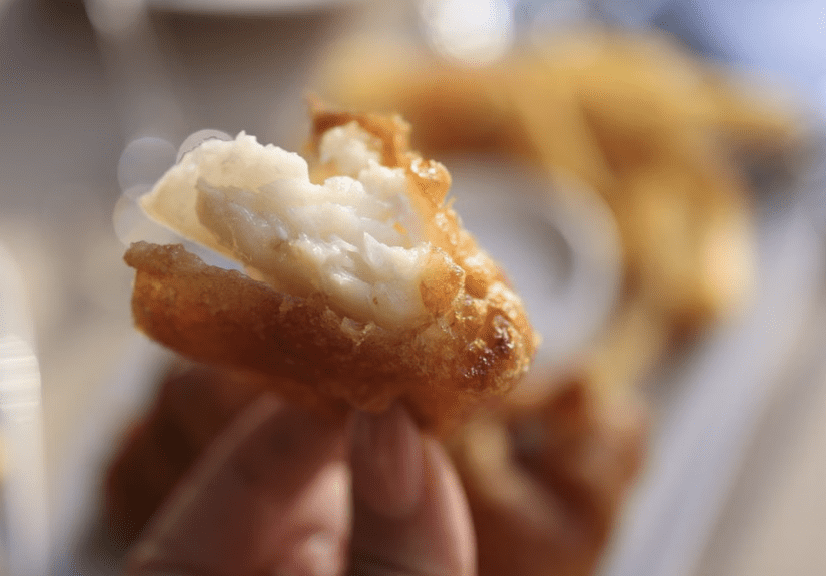
A shopper has posted on social media a photo of a halved fish finger (a breaded fish product) in which several dark, thread-like shapes are visible in the white fish meat. She writes that three pieces were found and that her daughter saw them in the morning and was frightened. She urges others to be careful.
Is it really a parasite?
The photo alone does not allow a reliable answer. A blood vessel, connective tissue or another part of fish tissue can look similar. Establishing what was found would require the sample itself and an examination by a specialist or laboratory.
Still, parasitic worms can occur in fish muscle and occasionally reach finished products. Wild fish naturally carry parasites, which they can pick up at sea by feeding on infected small crustaceans or other fish. European requirements call for visual inspection of fish products, and obviously contaminated products must not be placed on the market, but a single larva can stay hidden in muscle during processing. A report by the UK Food Standards Agency mentions a case in which an Anisakis parasite was found in a fish finger made in Germany.
How dangerous is it?
Live Anisakis larvae can cause anisakiasis: stomach pain, nausea, vomiting, bloating or diarrhoea. Allergic reactions are possible in rare cases, even when the parasite is no longer alive. The greatest risk comes from raw or insufficiently cooked fish. Cooking at 60 degrees or above for long enough kills viable parasites, and certain freezing regimes kill them before cooking.
Not every "worm in food" is a fish parasite: people often mean larvae of pantry moths or beetles, which can get into dry products during production, storage or in the home.
What to do
It is better not to eat the product and not to throw the find away. Keep the packaging, leftovers, receipt, batch number and expiry date, and photograph the find. A suspected non-compliance can be reported to Latvia's Food and Veterinary Service (PVD) with the place of purchase, product name, expiry date and batch number; complaints can also be anonymous. If the product has already been eaten and severe stomach pain, repeated vomiting, swelling or breathing difficulty appear, seek medical help.