Spain pushes offbeat regions as tourist numbers approach 100 million
Spain’s tourism minister says the country is redoubling efforts to diversify beyond the traditional sun-and-sand model as foreign visitor numbers could reach 100 million for the first time. He advocates for 'calm growth' and sustainable management, acknowledging that old formulas no longer work amid overtourism protests and climate concerns.
Spain’s minister of industry and tourism, Jordi Hereu, told the Guardian that the country is preparing for another record year, with foreign tourist numbers potentially hitting 100 million for the first time. Last year, arrivals rose 3.2% to 96.8 million, while spending increased 6.8% to €134bn. In the first quarter of this year, tourist numbers were up 3.4% and revenue up 6.7%.
Hereu rejected claims that Spain is saturated, but admitted that “old formulas no longer work,” especially amid growing concerns over overtourism and climate emergencies. Rapid, unchecked growth has sparked protests, pushed locals out of housing markets, and strained public services and natural resources.
He advocated for what he called “calm growth” – easily manageable expansion. The minister stressed Spain’s commitment to its 2030 tourism strategy based on social, economic, and environmental sustainability. Key principles include decentralising destinations over time, deseasonalising tourism, and diversifying away from the classic “sun, sand, and coast” model that still dominates.
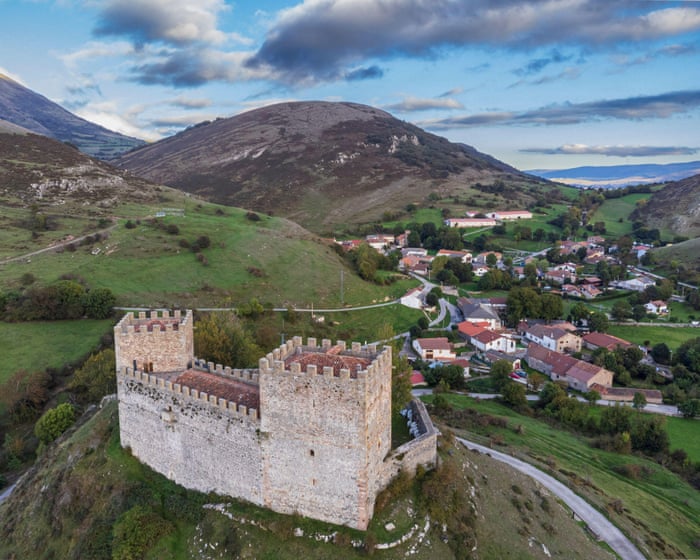
Spain’s current advertising campaign, “Think You Know Spain? Think Again,” avoids coastal beaches and instead highlights inland regions and the green north. Hereu noted that lesser-visited areas such as Castilla-La Mancha, Castilla y León, Extremadura, Galicia, Asturias, Cantabria, the Basque Country, and Navarre have significant growth potential.
Hereu also contrasted left-wing and right-wing approaches to tourism regulation, praising Barcelona’s ban on tourist flats by 2028 but acknowledging the difficulty of central government intervention in a highly decentralised system. He pointed to climate impacts – droughts, heatwaves, wildfires, floods – and emphasized the need for renewable energy, efficient water use, and waste management.
The minister said the tourist season is lengthening: previously just June to August, now businesses often operate nearly year-round, providing more stable employment. He argued that Spain is growing more in tourist spending value than in numbers, which is the right direction.
During the pandemic, visitor numbers plunged 77% to 18.9 million in 2020, prompting the government to invest €3.4bn in EU Next Generation funds to modernise the sector. Hereu concluded that sticking to the old model would be a mistake, as it would prioritise quantity over value.