Sri Lankan elephant society fractures when losses outpace newcomers, study finds
Researchers from the University of California, San Diego tracked wild Asian elephants in Sri Lanka's Udawalawe National Park for 12 years. They found that after about 2012, when departures began to exceed arrivals, female communities became smaller and more isolated.
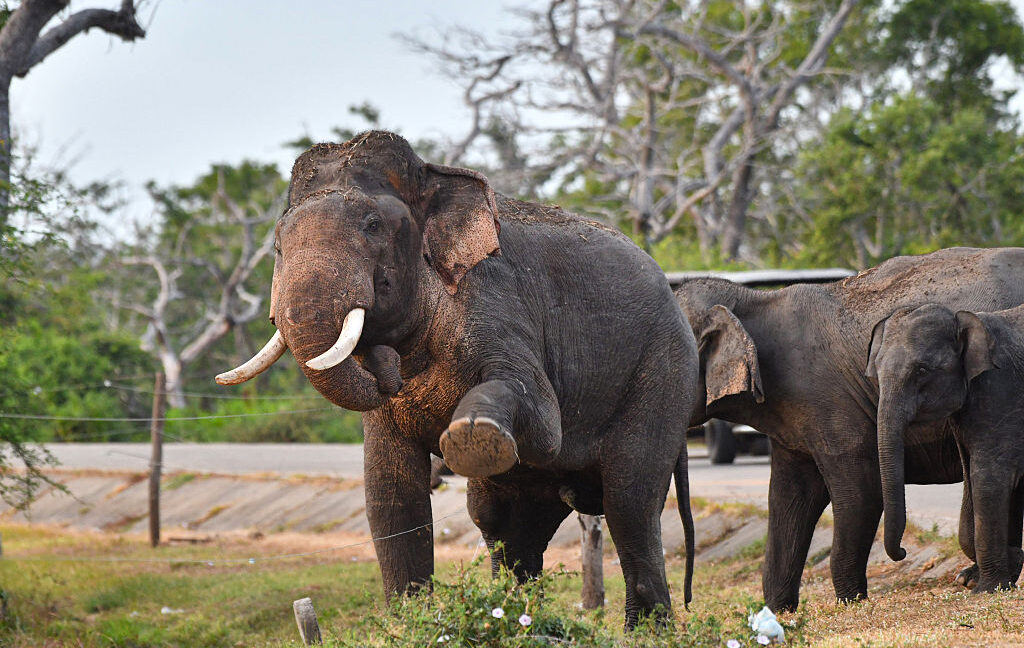
Asian elephant societies can break apart when losses persistently outnumber newcomers, according to a study by researchers at the University of California, San Diego. The team followed wild elephants for 12 years in Udawalawe National Park in southern Sri Lanka and published the results in the journal Science. The lead author is behavioral ecologist Anastasia Madsen, and the senior author is ecologist Shermin de Silva.
How the observations were made
The park was created in the 1970s around a reservoir. After settlers were moved out, the land they had cleared turned into grassland that offered elephants plentiful food. Later, invasive plants such as lantana spread across it and reduced the available forage. Researchers drove random routes along park roads about three days a week and identified elephants by the holes, tears and cuts in their ears. Between 2007 and 2018, they identified 443 adult and subadult females.
For each year, Madsen built a social network, measuring the strength of each tie by how often two animals were seen together. An algorithm commonly used for human social networks then identified communities.
The turning point
For several years the communities held together. Around 2012, elephants that died or left began to outnumber newcomers. By 2018, about 69 percent of the females seen at the start were gone. Communities became smaller, more numerous and more isolated from one another. Even among 59 elephants seen in every year of the study, relationships changed, suggesting the fracturing was not simply a result of fewer animals. The weakest ties disappeared first.
Before the breakup, some network statistics fluctuated from year to year, which the researchers view as a possible early warning signal. The study's data end in 2018, but de Silva says things have not improved: calves often do not survive, and many females die in their 30s and 40s. She points to conflict with humans as one cause and argues that management must cover entire landscapes. Her team is now working with farmers outside the park to test crops that elephants are less likely to damage.