STIHL chief urges Germans to work 40-hour weeks without extra pay
Chainsaw maker STIHL's owner Nikolas Stihl is calling on Germany's government to push deeper reforms, including a 40-hour work week with no pay rise, to rescue the country's struggling industry. He warns Germany has lost 15% of its industrial output over eight years.
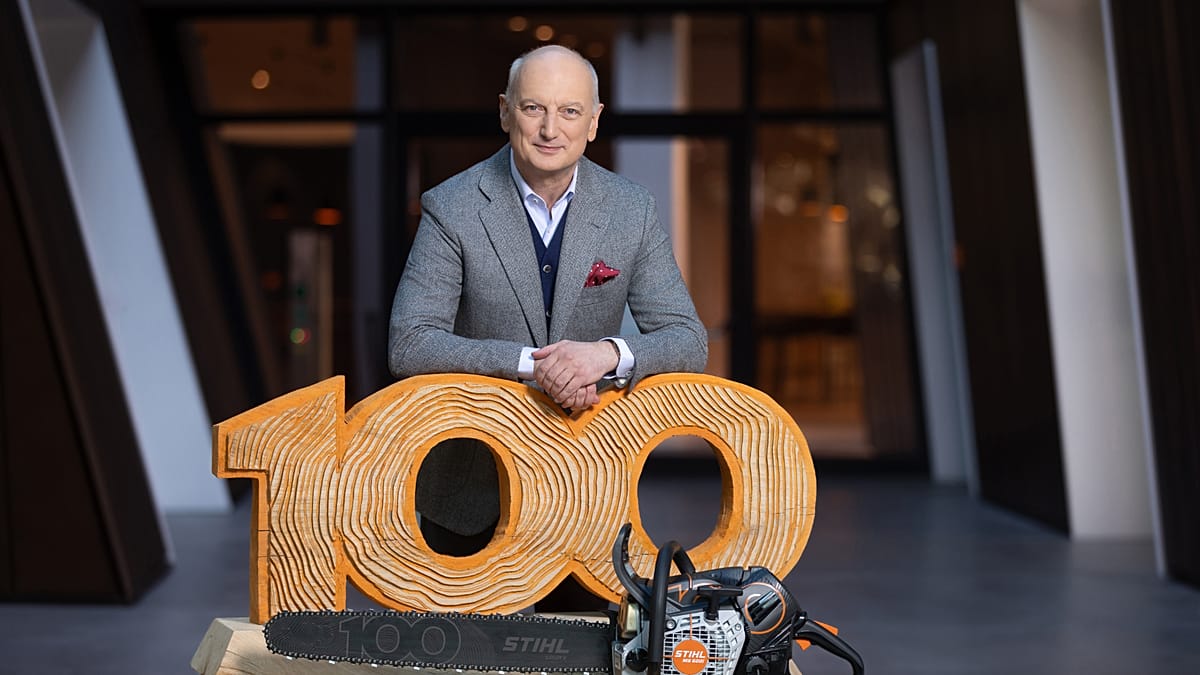
Nikolas Stihl, owner of German chainsaw maker STIHL and grandson of its founder, has issued a stark warning about the state of Germany's economy, calling it "serious, very serious." He says the country has lost around 15% of its industrial output over the past eight years, with roughly 15,000 industrial jobs disappearing every month.
Founded in 1926 and marking its 100th anniversary this year, STIHL generated €5.48 billion in revenue in 2025 and employs more than 20,000 people worldwide. The company says it has been the world's best-selling chainsaw brand since 1971.
While acknowledging that US tariffs, China's aggressive industrial policy and geopolitical tensions are also weighing on German firms, Stihl argues the bigger problems are homegrown: excessive regulation, high energy and labour costs, high taxes and declining education standards.
Government reforms called insufficient
Stihl says the federal government's planned reforms to health insurance, pensions, taxes and the labour market are reasonable compromises but fall short of resolving Germany's structural crisis. He urges the coalition and social partners to push further, including cutting bureaucracy, boosting the total volume of work in the economy and lowering labour costs.
Call for longer working hours
Stihl's central demand is to increase the overall amount of work performed across the economy. He proposes incentivising overtime, extending working lives with exceptions for physically demanding jobs, drawing more unemployed and part-time workers into employment, and recruiting skilled labour from abroad.
Ahead of collective bargaining talks in the metalworking sector starting in October, Stihl is pushing to raise the working week to 40 hours without pay compensation, arguing Germany has lost the productivity edge that once justified its high labour costs. He also wants sick pay to start only from the second day of illness and phone-in sick notes abolished.
Stihl calls for greater support for innovation fields such as artificial intelligence, robotics, biotechnology, space and quantum technologies, with fewer bureaucratic obstacles. He maintains Germany has repeatedly proven it can reinvent itself, but says decisive action and a clear roadmap for change are now needed.


/nginx/o/2026/09/04/17895401t1h7d4e.jpg)