Legendary Boheem café in Tallinn's Kalamaja district closes after 18 years
The Boheem café in Tallinn's Kalamaja district, which operated for 18 years, announced its closure last week. Industry figures warn a new wave of restaurant closures is expected this autumn.
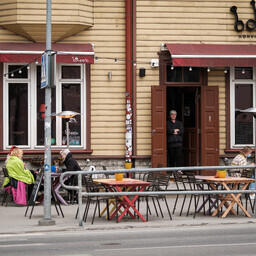
Estonia's restaurant industry is facing a string of setbacks, with warning signs becoming increasingly frequent. Last week, the Boheem café, which had operated in Tallinn's Kalamaja district for 18 years, announced it was closing.
Estonia currently has more than 3,000 restaurants and cafés — a large number for such a small country. Yet the average food-service business survives only about five years, and this year has already seen a wave of closures.
The first years are decisive
Experts say the first three years of a restaurant's existence are critical, since the first year typically brings no profit — breaking even is often the best outcome. Competition in the industry is fierce, turnover tax is high, and ingredient prices keep rising.
Chefs and culinary experts predict a further wave of closures this autumn, meaning the recent shutdowns are only the beginning of a larger trend.
What determines success
According to experts, success often comes either to very small cafés with limited seating, which create a sense of constant demand, or to businesses that operate an entire chain of cafés. The ideal middle ground combines the right size, a good location, and a product people genuinely love.
Even a well-planned business can fail, however, if the surrounding urban area develops too quickly and becomes oversaturated with competitors — the Rotermann Quarter in Tallinn, now home to more than 26 food establishments, was cited as an example.
Boheem's story
Boheem's founder recalled that the café's first visitors doubted it would survive in that location — its success was partly a matter of luck. What kept it going, he said, was not just the location but also loyal customers and a community built over the years. Still, the rapid growth in the number of food establishments in the area means customers often arrive already having eaten and drunk elsewhere.