Texas city demands $2 million for public records on Flock camera use
Residents seeking basic public information about how a Texas city's police use the Flock automated license plate reader network were told it would cost $2 million to obtain. The case highlights a broader lack of transparency around the technology nationwide.
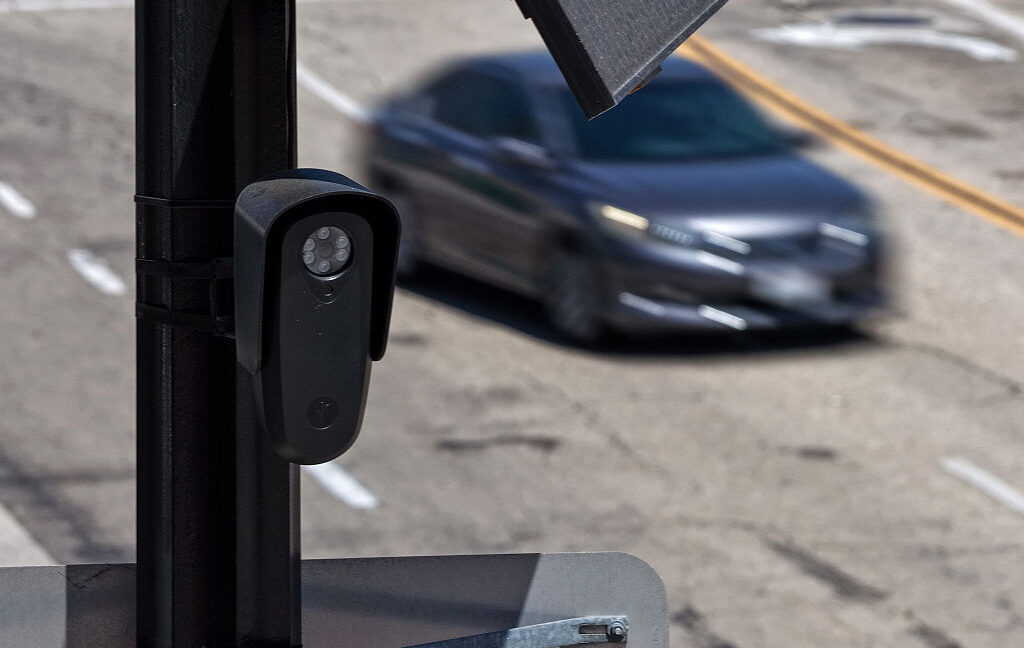
Scrutiny is growing in the US over Flock's automated license plate reader (ALPR) camera network, widely deployed by police departments. Members of the public often struggle to learn basic facts: where cameras are located, who can view the footage, how frequently the data is accessed, and how long it is retained.
Such information can, in principle, be obtained through public records requests, and some police agencies voluntarily disclose data through optional "transparency portals" built by Flock. These portals publish statistics such as the number of cameras installed, vehicles scanned, or searches conducted in a given area. Flock spokesperson Andrew Smith told the Texas Tribune that the portals give agencies a way to publicly explain their programs, including policies and rules governing usage and access.
In practice, however, few agencies take advantage of this option. Although hundreds of agencies in Texas use Flock cameras, only 59 operate transparency portals, and just 16 of those actually share data with the public.
Lawyer warns of expanding risks
Michael Soyfer, a lawyer at the Institute for Justice who studies Flock camera misuse and is litigating several Fourth Amendment cases, warned that without greater transparency, Flock risks building tools that automate exactly the kind of police practices the public already objects to.
He pointed to federal agents using ALPR data to track vehicles making repeated day trips across the border, using that pattern as grounds to stop, question, and search drivers — even though the behavior itself isn't illegal. Soyfer said he expects Flock to further automate alerts for such "suspicious" travel patterns using AI, making these practices easier for police to deploy at scale.