Texas court lets acquittal stand in Crystal Mason's decade-long voting case
Texas's highest criminal court voted 5-4 not to hear a prosecutor's appeal against Crystal Mason's acquittal, ending nearly a decade of legal battles over an illegal voting conviction. The ruling leaves intact a 2024 decision overturning her original five-year prison sentence.
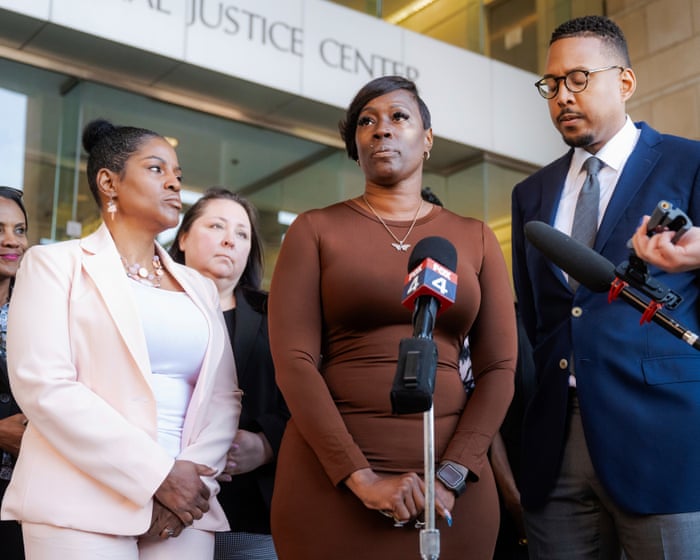
The Texas court of criminal appeals ruled 5-4 on Thursday not to hear a Tarrant county prosecutor's appeal against the acquittal of Crystal Mason, letting stand a 2024 decision that cleared her of illegal voting. The court gave no explanation, despite having initially agreed to take up the case.
Mason, 51, was sentenced to five years in prison in 2018 after casting a provisional ballot in the 2016 presidential election. At the time, she was on supervised release for a federal tax felony. When poll workers could not find her name on the voter roll, they offered her a provisional ballot as required by federal law, and she chose to cast it. That ballot was ultimately never counted.
Texas law, like that of many US states, bars people with felony convictions from voting while on probation or supervised release. Mason signed an affidavit affirming her eligibility but has always said she never read its language and was never told she could not vote. Federal probation officials testified at her 2018 trial that they never informed her of the restriction, though poll workers said she had sworn the affidavit's contents were true — testimony Mason has consistently disputed.
The case drew widespread outrage over the severity of her sentence and Mason's steady insistence that the vote was an honest mistake. It also became entangled with Donald Trump's escalating claims of voter fraud following the 2016 election, with many viewing the prosecution as an attempt to make an example of her.
Mason said she felt overwhelmed with joy after nearly ten years of fighting the case. Tarrant county district attorney Phil Sorrells said illegal voting remains a crime in Texas and would continue to be prosecuted where evidence supports it. Attorneys from the American Civil Liberties Union, who helped represent Mason, called the ruling a victory for civic participation. Four judges dissented, arguing the trial evidence sufficiently proved Mason knew she was ineligible.
Because the conviction violated her supervised release, Mason spent 10 months in federal prison, during which her family faced financial hardship. She has since become an active voter-education advocate.

