Tesla workers resist helping train Optimus robots that could replace them
Tesla is struggling with manufacturing flaws, unreliable hand sensors and limited AI in its Optimus humanoid robots, while some factory workers have pushed back against helping collect the training data used to develop the machines.
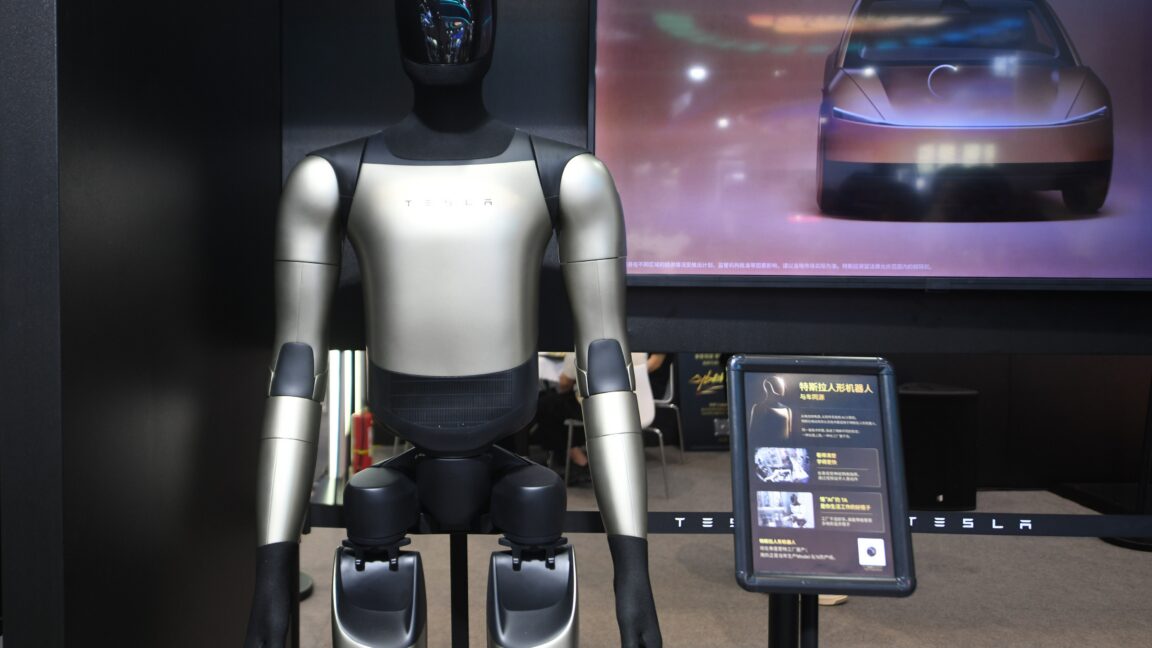
Tesla's Optimus humanoid robot program is facing multiple technical hurdles, according to a report from The Information. The manufacturing process remains largely manual and imperfect, resulting in newly built robots that often need immediate fixes. The touch sensors in the robots' hands have also proven unreliable, prompting Tesla to design a glove-like replaceable sensor layer rather than requiring a full hand replacement each time a sensor fails.
AI still falls short of general-purpose goals
A source cited by The Information said Optimus robots currently need to be programmed for specific tasks performed in carefully controlled environments, since their AI capabilities are not yet advanced enough for general-purpose work. This limitation is not unique to Tesla — it reflects a broader challenge across the robotics industry.
One of the biggest obstacles is gathering enough visual training data for robots to learn a wide range of manual tasks. To address this through imitation learning, Tesla had factory workers in Texas and California wear specialized suits that record their physical movements on the job. However, some workers reportedly objected once they realized the robots were intended to eventually replace them. In response, Tesla shifted this data-collection work to dedicated teams and established specific "training hubs" for the task.
Competition and supply chain reliance
The report also notes that Tesla continues to depend heavily on Chinese suppliers for various robot components, despite efforts by the US government to strengthen domestic supply chains. In July, the Federal Communications Commission banned new foreign-made robots, including humanoid and four-legged models, as well as robotic vacuum cleaners.
Tesla faces growing competition from automakers in China, Japan and South Korea, along with dedicated robotics firms. Toyota plans to invest billions of dollars upgrading factories with robots, including humanoids, while Hyundai intends to deploy up to 25,000 Atlas humanoid robots, developed by its US subsidiary Boston Dynamics, over the coming years. Oregon-based Agility Robotics is already further along, having deployed humanoid robots at a GXO Logistics warehouse near Atlanta since 2024. Still, the broader business case for humanoid robots — including cost-effectiveness and safe operation around people — remains unproven.