Class action alleges Compass hid Zillow listings, artificially inflated NYC rents
Two New York renters filed a class action accusing brokerage Compass of removing listings from free platforms, creating a fake supply shock and driving up Manhattan rents.
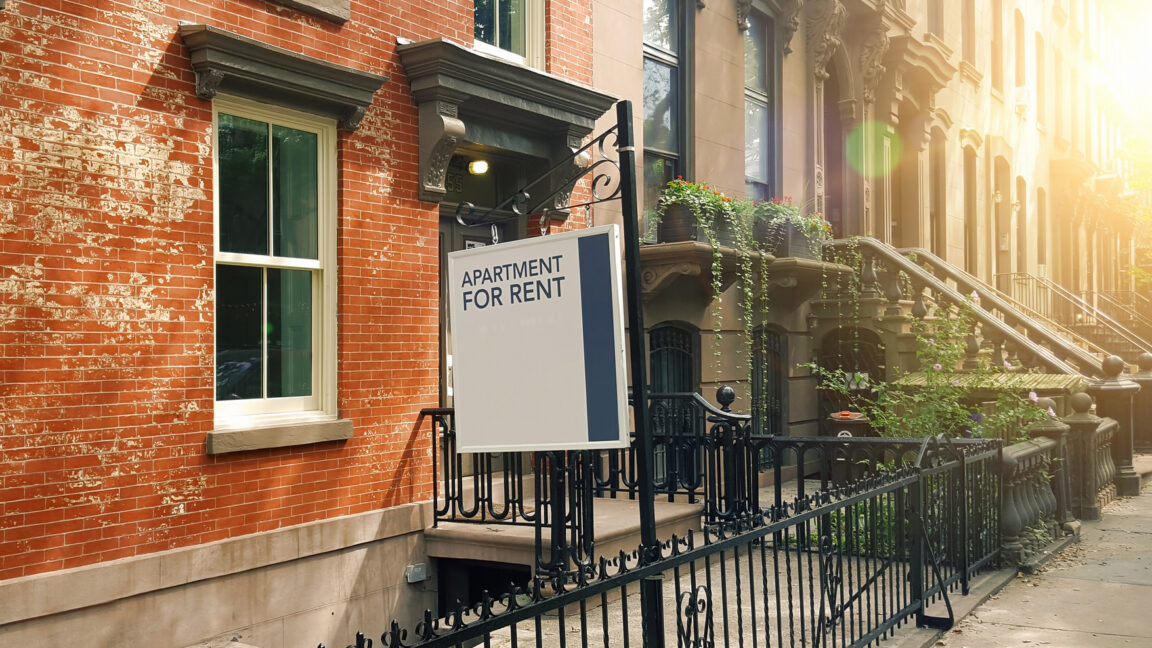
Two New York City renters have filed a class action lawsuit alleging that the real estate brokerage Compass has been artificially inflating rents by delisting thousands of rental units from free digital platforms like Zillow. Plaintiffs Peter Castaneda and Haley Gelfand claim that Compass, through a series of acquisitions over the past decade, now controls over 80% of rental listings in Manhattan, based on 2025 data. This dominance, they argue, allows Compass to effectively dictate pricing for most of the borough's rental units.
The lawsuit describes a Compass "playbook" of hiding listings to boost its own agents' commissions, increase revenue per transaction, and raise its stock price. In response to the delistings, Zillow introduced new standards barring private listings from its sites. Compass then filed an antitrust suit against Zillow, but voluntarily dismissed it in March after a judge ruled that Zillow could not be considered a monopolist if buyers use multiple platforms.
Castaneda says he signed a lease for a one-bedroom in downtown Manhattan in August at $5,270 per month, well above the $4,390 average asking price from a month earlier. Gelfand says she saw prices climb on StreetEasy between July and early August before she also agreed to a $5,270 monthly rent. The complaint cites data showing available rental units across New York dropped 40% over the past year, while rents rose 3% in June and 6% in July.
Plaintiffs accuse Compass of creating a supply shock and seek disgorgement of profits, damages, and an injunction against hiding listings. They aim to represent all NYC renters who leased non-rent-stabilized multifamily units from August 1, 2026 onward. Senator Elizabeth Warren has launched an antitrust probe, warning of a "two-tiered housing market." Compass declined to comment, while Zillow's spokesperson said that "when listings are deliberately hidden from public platforms, real consumers pay the price."