Ombudsman Opposes Cutting Public Transport Fare Discounts for Children and People With Disabilities
Latvian Ombudsman Karina Palkova objects to the Ministry of Transport's plan to limit public transport fare concessions for children and people with disabilities. She argues that budget problems should not be solved at the expense of less protected groups.
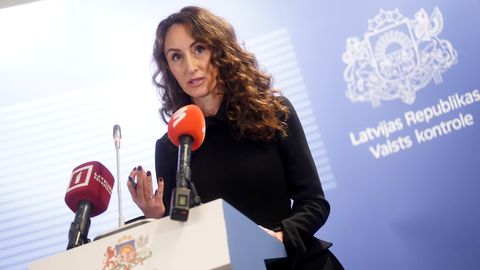
Latvian Ombudsman Karina Palkova has objected to a Ministry of Transport plan to limit public transport fare concessions for children and people with disabilities from 2027. The Ombudsman's Office submitted its objections on the legal acts portal, stating that financial difficulties do not release the state from its duty to protect fundamental rights.
The ministry's proposed funding solution would raise fares by an average of 10% from 2027 and cut concessions from 100% to 70%.
The Ombudsman's arguments
The office stresses that access to transport is a precondition for reaching work, healthcare, education and social services. Even a relatively small co-payment can place a considerable burden on families who use public transport regularly. It also recalls that the Constitution (Satversme) provides special protection for children, including children with disabilities and those left without parental care.
Palkova says additional charges for children and people with disabilities should be the very last option. Social guarantees may be reduced only after alternatives, proportionality and impact have been assessed. The office also cannot verify from the report whether the people directly affected were properly consulted. The Ombudsman urges the government not to advance the plan until all alternatives have been evaluated.
Patient organisations, the disability association "Apeirons" and the "Latvian Child Welfare Network" have also objected.
The ministry's options
The ministry's report offers three funding options for the Cabinet of Ministers to consider. Base funding has been 93.8 million euros since 2024, while service costs in 2026 are forecast at about 109.9 million euros.
The first option would stay within base funding: regional bus network cut by about 14%, state-ordered rail services by about 3%, fares raised by an average of 30% and a 70% cap on concessions.
The second option, which the ministry regards as practically feasible, keeps the network at its 2026 level, raises fares by 10% and caps concessions at 70%. It would cut state spending by about 6.9 million euros a year.
The third option keeps the network and current concessions, with a 10% fare rise. It would need about 15 million euros more per year, and the ministry considers it preferable if extra funds can be found.
The ministry says costs have risen because of wages, fuel and energy, while base funding has long failed to fully cover its obligations.