Toms Nāburgs: Energy security not a field for experimentation
The head of the Latvian Wind Energy Association argues that energy policy must remain a separate ministry due to its critical role in national security and the need for long-term expertise.
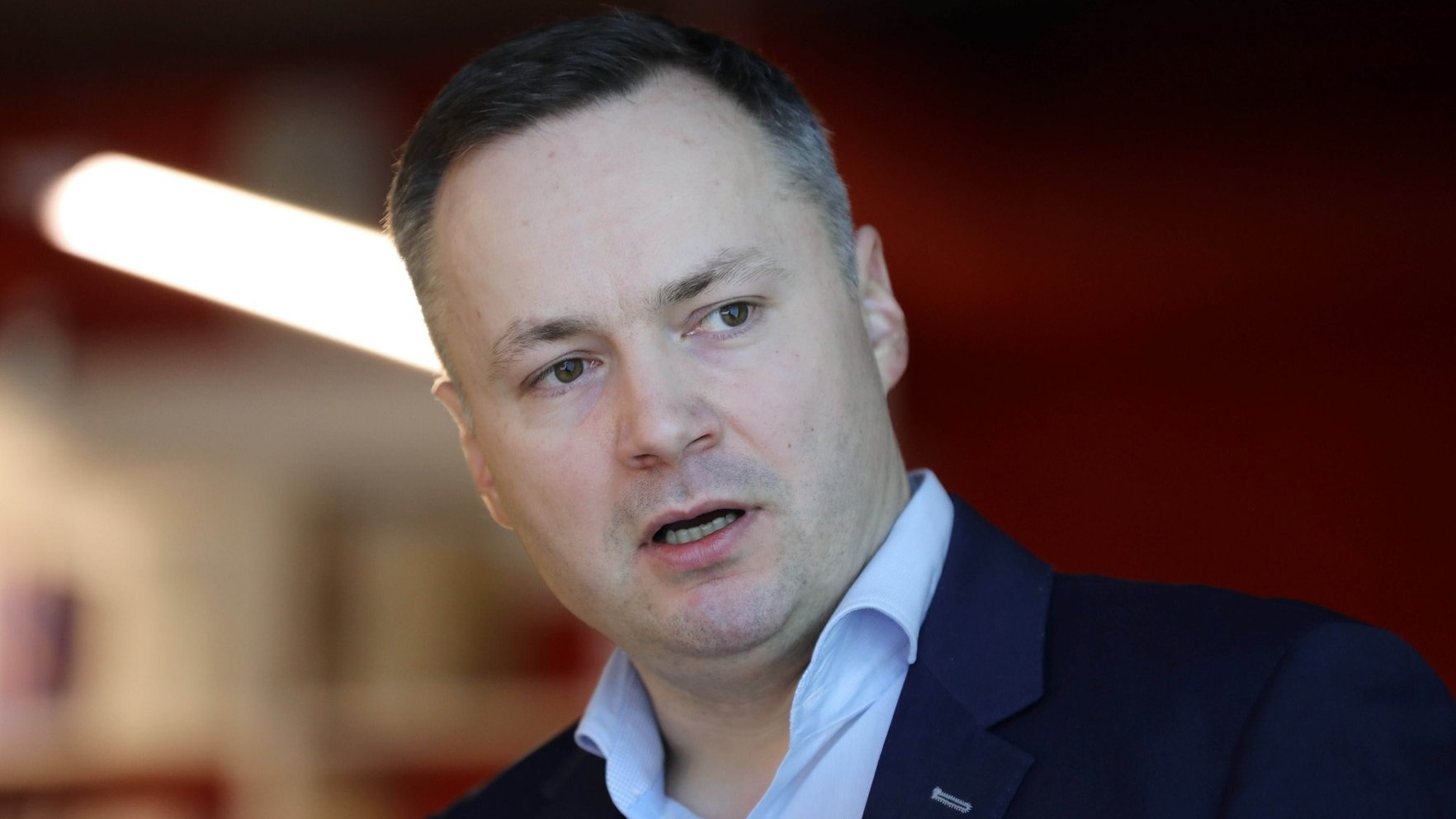
Toms Nāburgs, chairman of the Latvian Wind Energy Association, warns against treating energy as a routine administrative function rather than a national security issue. He points out that recent events in Europe and the Middle East have clearly demonstrated that energy resources and infrastructure can become tools of geopolitical influence. Therefore, developing domestic electricity generation is a national security priority.
Nāburgs notes that Latvia has not yet achieved energy self-sufficiency – it still imports 20–30% of its electricity needs. At the same time, the country is developing new generation capacity, transmission infrastructure, and energy storage technologies, as well as strengthening the resilience of the energy system against threats.
He argues that energy policy requires clear political accountability. If responsibilities are divided among several ministries, energy could become just one of many agenda items. In Estonia, climate and energy policy is concentrated in the Ministry of Climate, while Lithuania has a separate Ministry of Energy – this is standard international practice reflecting the growing importance of energy.
Furthermore, Nāburgs emphasises that energy requires specific expertise that takes years to build. The Ministry of Climate and Energy already has a team of experts in electricity market regulation, energy security, and EU energy policy. Such competence can be lost quickly, and investors prefer countries with stable energy policies. The association has consistently supported a separate energy ministry and believes it is even more relevant now than three years ago.

/nginx/o/2026/10/04/17954716t1hc536.jpg)