Transit Business: Latvia's Loss, Russia's Gain
Belarusian potash fertilizer exports continue to reach global markets, but now the flow passes through Russian ports, causing significant losses to Latvia's transit sector.
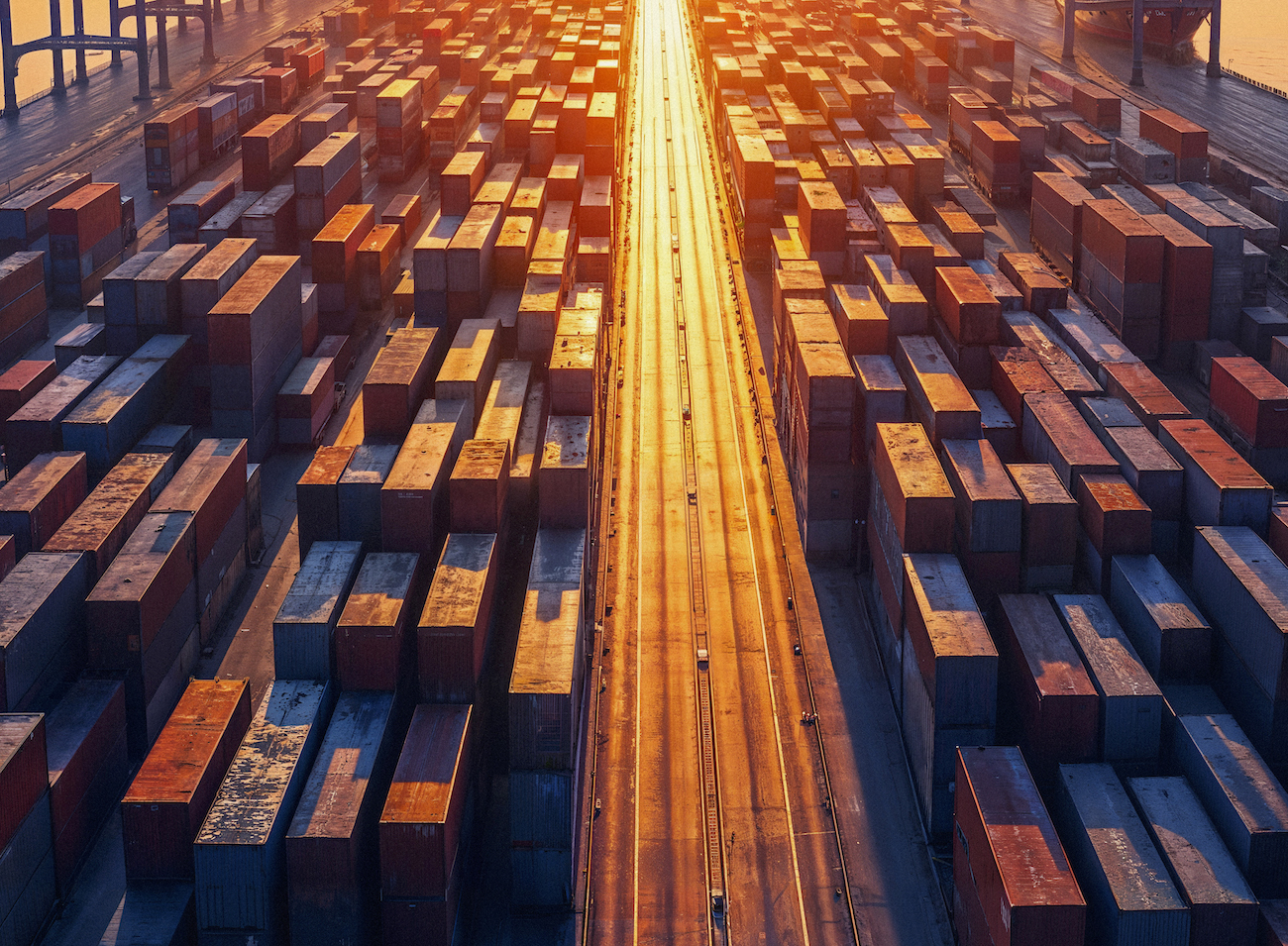
Despite sanctions and geopolitical tensions, Belarusian potash fertilizer continues to be exported. However, Latvia, historically the main transit route, is now losing vast revenues while Russia benefits.
In 2019, Latvian railways carried 41.5 million tons of cargo, but by 2024 this volume had dropped to 11.1 million tons—a decline of over 73%. Similarly, cargo volumes handled by Latvian ports decreased as Belarusian exports were redirected through Russia. According to industry data, in 2025 Belarus exported approximately 11.6 million tons of potash fertilizer via Russian ports, and volumes have more than doubled since sanctions were imposed.
Each such cargo generates revenue for Russian railways, port terminal operators, logistics companies, and local municipalities. For Latvia, this means not only lost income but also jobs and taxes. The transport and logistics sector historically accounted for 9% to 13% of Latvia's GDP, and its revival would be a significant economic boost.
Latvia's ports—Riga, Ventspils, and Liepaja—were built for much higher cargo volumes than they currently handle, so attracting additional transit would not require large investments. Even a fraction of the 11.6 million tons of fertilizer now flowing through Russia could revive the sector.
Critics argue that sanctions and geopolitical considerations complicate such a scenario. Nevertheless, the fact remains: cargo continues to move, and someone is profiting. Latvia must decide whether to continue losing this business or try to regain it.