Firefighters reveal how they free people trapped in severe car crashes
State Fire and Rescue Service commander Jānis Vējš and his colleagues describe the demanding work of freeing people trapped inside vehicles after serious road accidents. The TV segment 'Sadursme 360' shows how complex and high-pressure this process is.
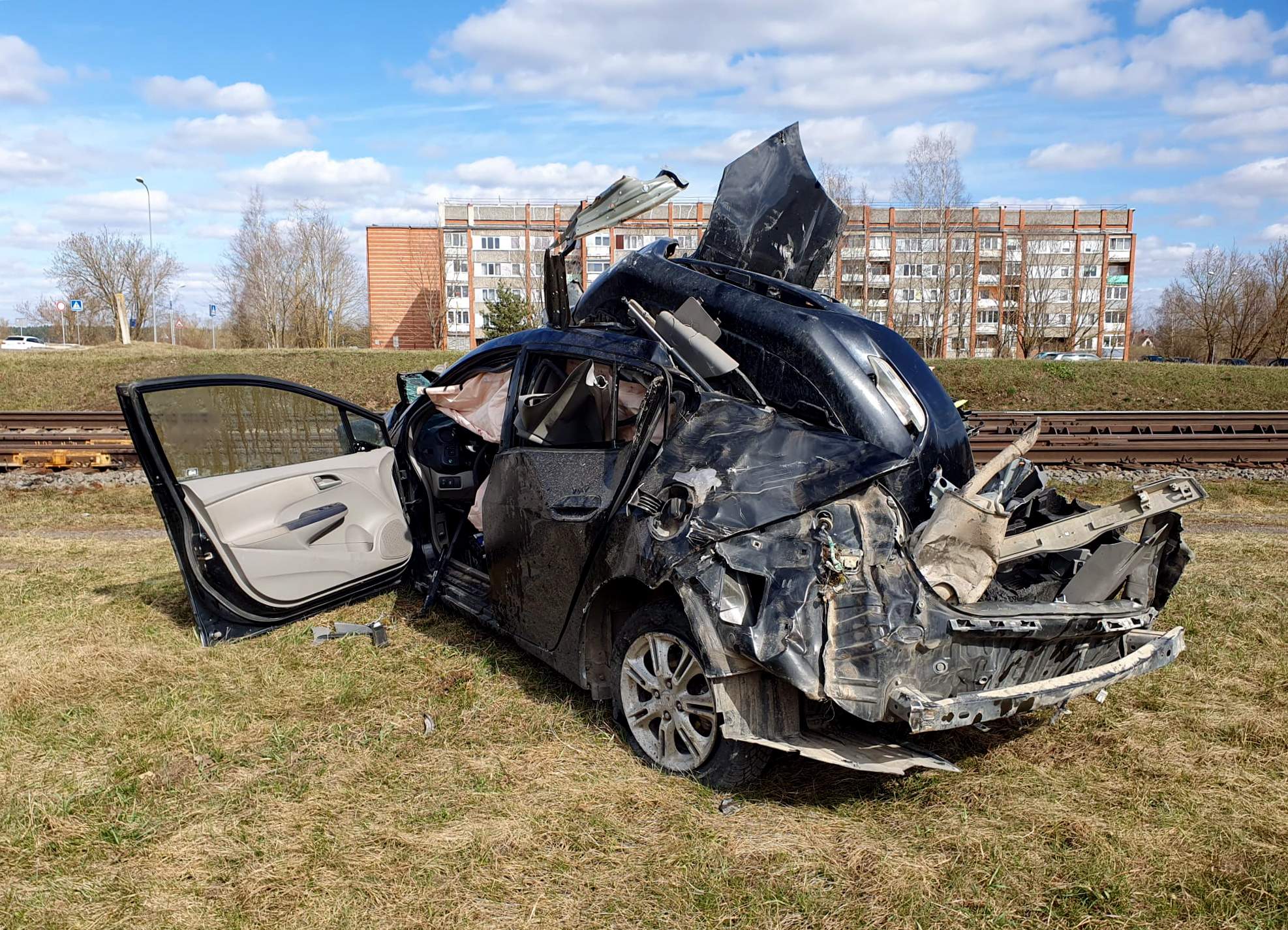
The TV programme 'Sadursme 360' (360TV) has shown how officers of Latvia's State Fire and Rescue Service (VUGD) operate at the scene of severe road accidents when people become trapped inside damaged vehicles. The segment was made following a serious crash in which a passenger in an Audi died; freeing the body from the crushed car required firefighters to use hydraulic rescue tools.
Jānis Vējš, commander of VUGD's Saldus division, explains that rescue work demands not only technical skill but also psychological readiness. Victims are often in pain and distress, and rescuers must simultaneously try to calm them while rapidly deciding on next steps. The sequence of actions depends on the type of injury sustained — for example, procedures change if a back or head injury is suspected.
Beyond physically freeing people from vehicles, firefighters often also take on elements of emergency medical care. When a crash site is difficult for paramedics to access, rescuers themselves administer pain relief to victims under medical instruction, as they are trained to do so.
More advanced tools
Rescue operations rely on hydraulic cutters and spreaders — tools that use fluid pressure to generate large amounts of force for cutting apart a vehicle's body. Corporal Andris Celmiņš, a firefighter and rescuer, notes that today's battery-powered tools are far more convenient and effective than equipment used in the past. Besides cutting, the tools are also used to lift and stabilise vehicles, such as placing supports underneath a car or using a spreader if the vehicle is at risk of sliding in a ditch.
According to the rescuers' experience, victims' legs are most commonly trapped in severe accidents, though every incident differs and requires an individual approach.