Ukraine's Oil Campaign: From Military Fuel Cuts to Economic Crisis
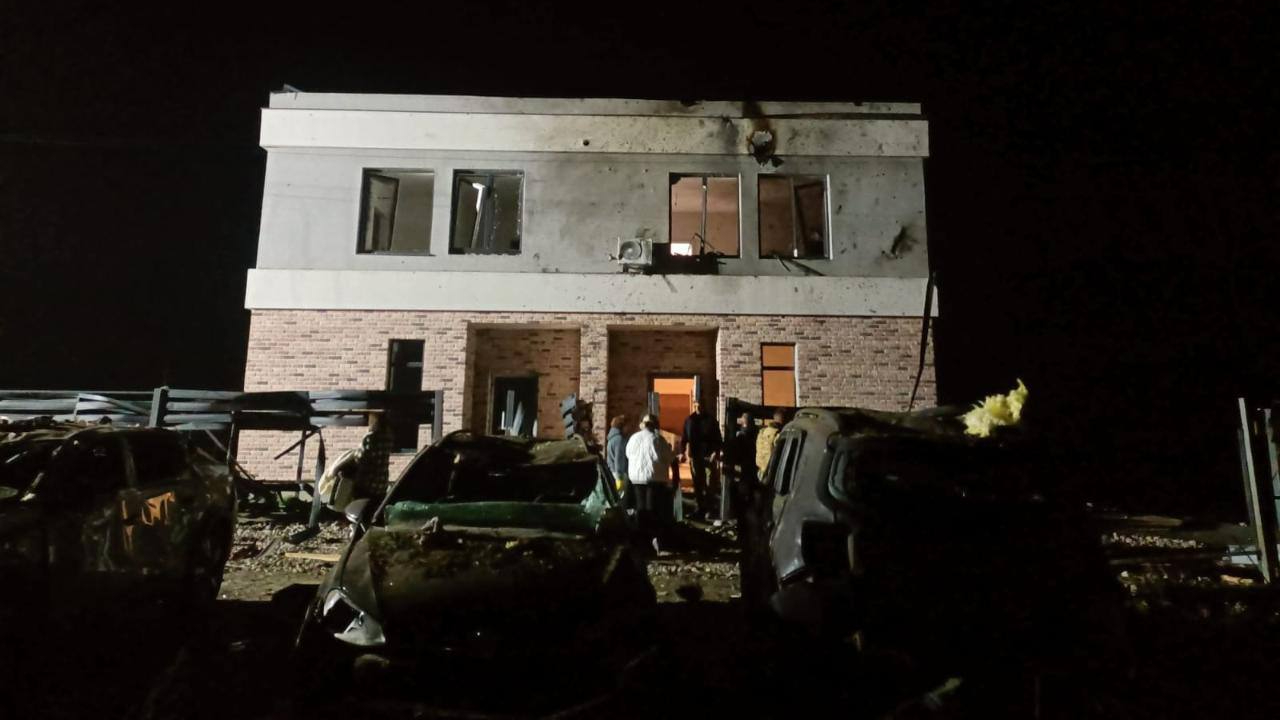
Ukraine has spent over two years systematically striking Russia's oil industry, initially to disrupt military fuel supplies and later to trigger a systemic economic crisis, according to a recent analysis.
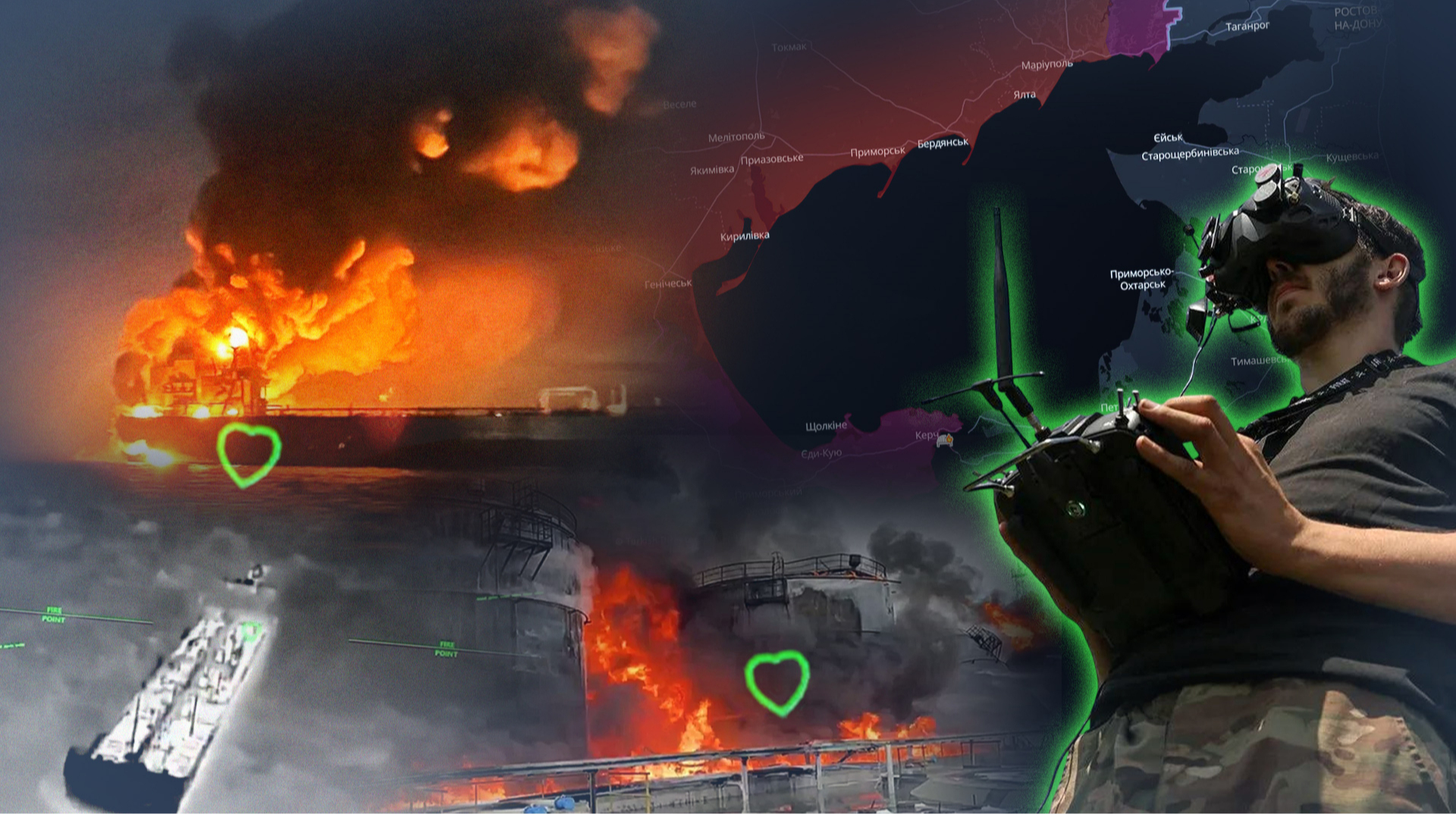
Ukraine has been engaged in a relentless campaign against Russia's oil industry for more than two years, according to a recent analysis from Ukrainska Pravda. The analysis details how the strikes have targeted refineries, fuel depots, and transport infrastructure, systematically eroding the foundations of Russia's energy sector.
The initial phase of the campaign was driven by a military rationale: cutting off fuel supplies to Russian armed forces. By attacking fuel depots and related logistics, Ukraine aimed to hamper the Russian military's ability to sustain operations in the field.
However, the analysis notes that the campaign has since expanded in scope. Beyond the immediate military objective, Ukraine now seeks to inflict broader damage on the Russian economy. The strategy is to create a systemic crisis that would destabilize Russia's financial and economic systems.
The shift represents a significant evolution in Ukraine's approach, moving from tactical battlefield advantages to a long-term strategy of economic attrition. The sustained pressure on Russia's oil industry is intended to undermine a key pillar of the country's budget and economic stability.
By focusing on refineries, fuel depots, and transport infrastructure, Ukraine has chosen targets that are critical to both military logistics and civilian economic activity. This dual-purpose targeting underscores the comprehensive nature of the campaign.
The analysis presents this as a new front in the oil war, where the goal is not just to hinder the military but to have a profound impact on how Russia finances its war effort. The outcome of this economic pressure could have far-reaching consequences for the conflict.