Ukrainska Pravda column: Leningrad siege shows state coercion can substitute for public resilience
A column by Mykhailo Dubynianskyi in Ukrainska Pravda argues that Russian strikes on Ukrainian infrastructure will not force Ukraine to surrender. He cites the Siege of Leningrad, where resistance rested on strict state control as well as on public mood.
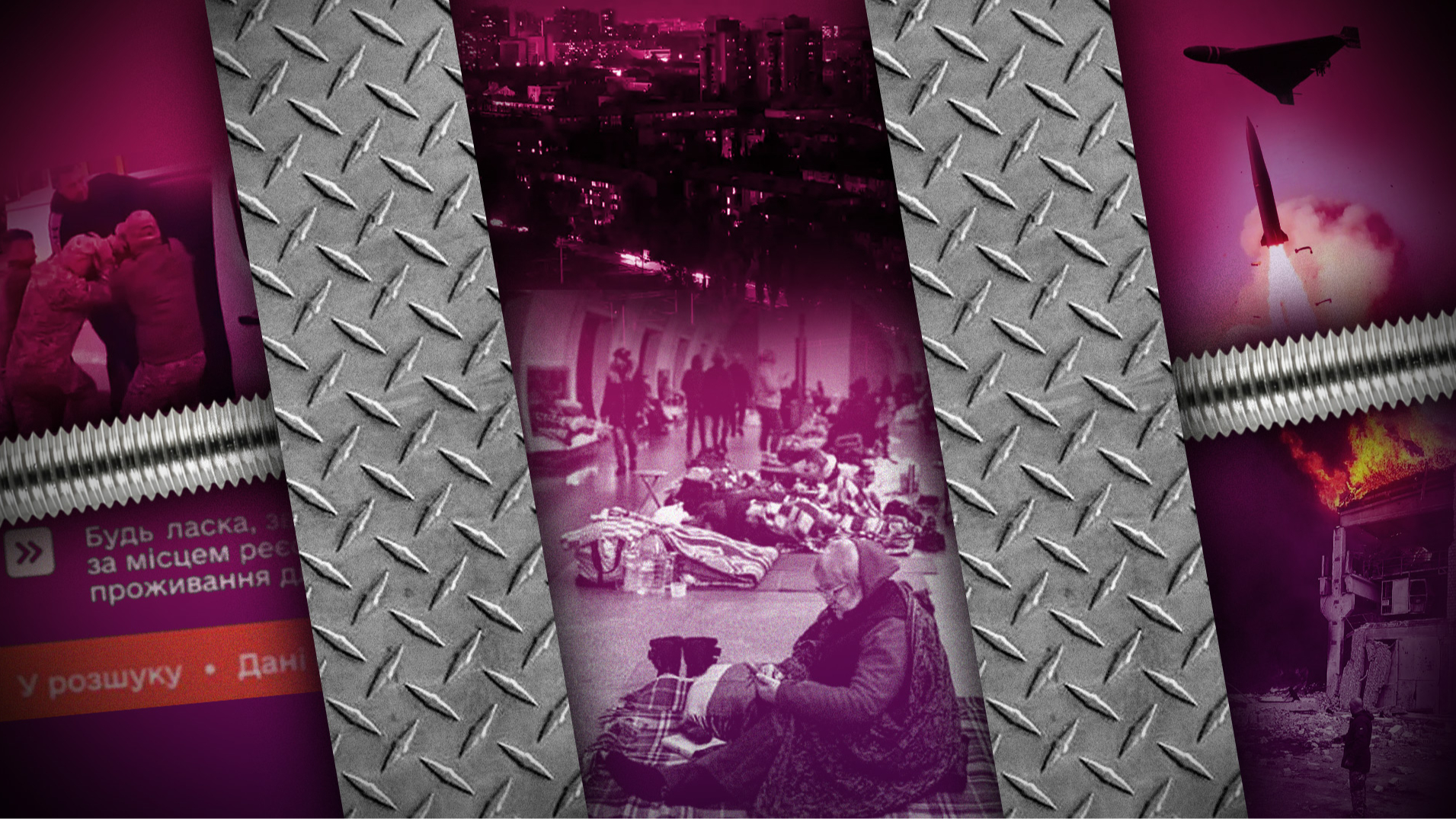
In an analytical column in the Ukrainian outlet Ukrainska Pravda, author Mykhailo Dubynianskyi asks whether Russian strikes on Ukraine's energy supply and cities could push the public to demand an end to the war. The piece is dated 14 November 2026.
The front line and the rear
According to the author, the advance of the Russian army at the front has slowed by a factor of 3.5 in 2026, while the intensity of strikes on Ukrainian infrastructure has risen sharply to an unprecedented level. He argues that the Kremlin hopes discontent will grow as conditions in big cities worsen, and that at some point the voice of the dissatisfied will become decisive, demanding an end to hostilities on any terms.
The Leningrad example
The author notes that non-democratic states have historically shown the greatest resilience in wartime, since public opinion there was disregarded. His closest example is Leningrad, the home city of Vladimir Putin, whose siege began 85 years ago. The official Soviet version spoke of universal readiness to endure hardship, but historians' research shows a different picture. Informants of the NKVD, the Soviet interior and security service, recorded 150–170 anti-Soviet statements a day in late September 1941 and 300–350 by November. The share of "negative" letters held back by military censors rose from 1.5% in summer to 20% in January and February. Yet no organised protest took place, because the security apparatus fully controlled the situation. The siege months of 1941 and the first winter accounted for 80% of all arrests by the local NKVD for "counter-revolutionary crimes" during the war. More than a third of the city's population died of hunger, but the city was not surrendered.
Conclusions for Ukraine
Dubynianskyi concludes that even the harshest conditions can be offset by tight coercive control. He stresses that Ukraine cannot be compared with the totalitarian USSR, and that there is no mass famine in Kyiv, Kharkiv or Dnipro. But if defeatist sentiment grew in cities, he suggests the state could strengthen the role of security structures, which would affect freedom and democracy. Even so, in his view Ukraine would not capitulate to Putin. He therefore describes Russia's bet on a humanitarian catastrophe in Ukrainian cities as irrational.