Could Ukraine's refinery strikes push Russia toward a deeper fuel crisis?
Ukrainian strikes on oil refineries have triggered a fresh fuel crisis affecting at least 30 Russian regions, including Moscow. Analysts warn the shortages could worsen and threaten both the economy and the Kremlin's ability to sustain the war.
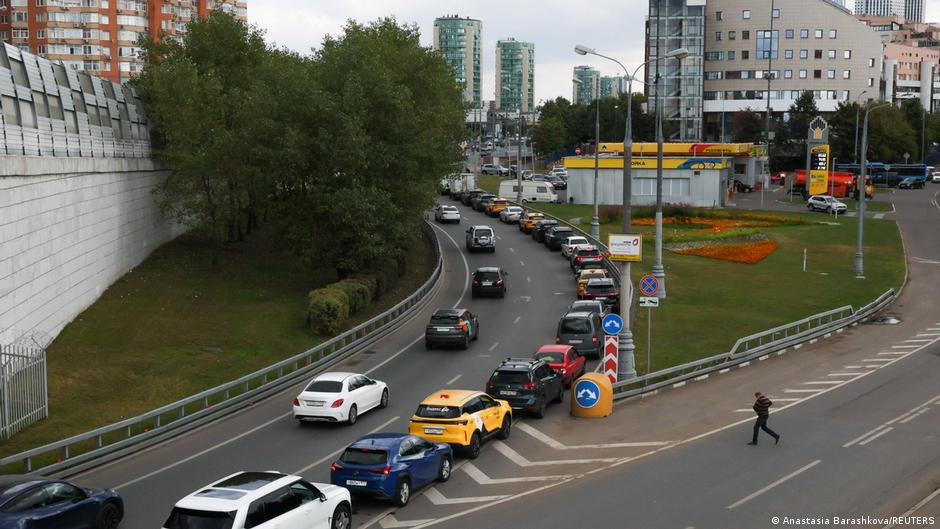
Ukrainian attacks on Russian oil refineries have sparked a new wave of fuel shortages, now affecting at least 30 regions across Russia, according to Reuters. Unlike the previous shortage, which ran from late May to mid-July, this crisis is hitting Moscow and its surrounding area particularly hard. Gas station chains Gazprom Neft and Tatneft have already begun restricting fuel sales in the capital.
Oleg Grigorenko, editor-in-chief of the independent Russian outlet 7x7, says the shortage is disrupting taxi and courier services as well as construction firms, whose supply chains depend heavily on gasoline. In the southern Krasnodar region, residents report waiting hours in line at gas stations, with authorities attributing this to a seasonal rise in holiday demand. In Sochi, locals describe an unusually quiet summer season caused by the fuel shortfall.
Poor fuel quality is damaging engines
Igor Ananskikh, first deputy chairman of the Russian parliament's energy committee, said he expects the situation to normalize within two to three weeks. Economist Nikolai Korzhenevsky, who left Russia in protest of the war, is skeptical, pointing to deteriorating fuel quality that has damaged engines, with repair shops in Moscow reportedly booked out for months. He notes that Russian oil production has fallen from 11.5 million barrels a day in 2019 to under 9 million now, and further declines could trigger a broader economic crisis.
Imports seen as an unrealistic fix
Russian journalist Vyacheslav Shiryaev says it is unrealistic for Russia, given its current isolation, to secure the roughly 200,000 tonnes of fuel it needs daily through imports from countries like India or China. Economist Igor Lipsits says damaged refineries cannot be quickly repaired and remain vulnerable to further strikes, prompting authorities to ration fuel while giving priority to municipal services and security personnel — a practice he says is fueling public resentment.
Shiryaev argues that intensified Ukrainian strikes, backed by greater Western support, could plunge Russia's interior into chaos and hasten the war's end within weeks, since a lack of diesel could paralyze railways, factories and agriculture — ultimately undermining Vladimir Putin's ability to enforce his own orders.