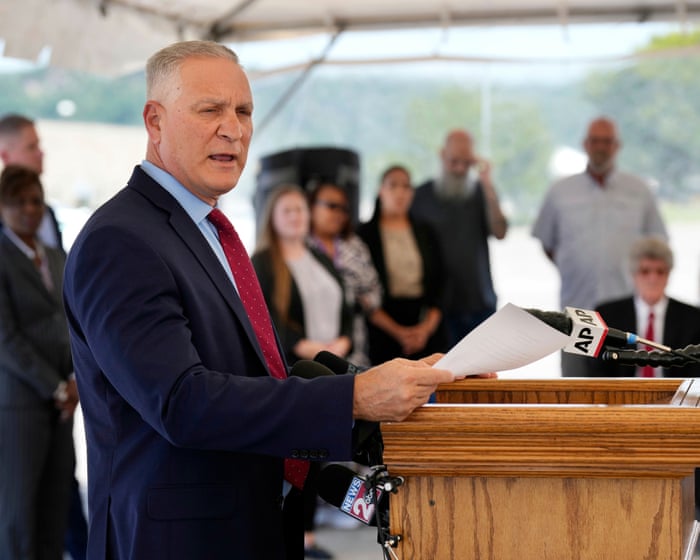
Hungarian president signs constitutional amendment ending his own mandate
Hungarian President Tamás Sulyok signed a constitutional amendment that terminates his term in office, calling it shameful and unprecedented but acknowledging that refusing to sign would be unlawful.
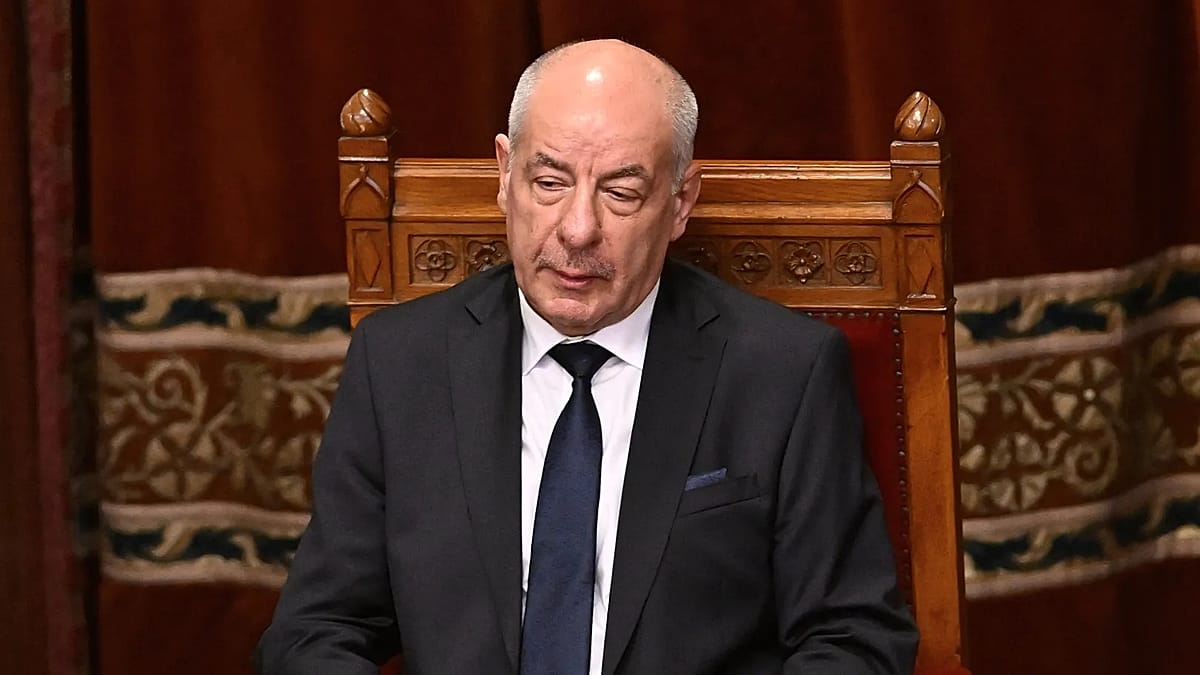
Tamás Sulyok has signed the seventeenth amendment to Hungary’s Fundamental Law, a move that brings his own mandate as president of the republic to an end. In a speech posted on Facebook, the head of state described the constitutional amendment forcing his resignation as unprecedented and shameful. He sharply criticised the law that compelled his departure, calling it an open attack on the rule of law and the independence of institutions and an unprecedented restriction of suffrage. At the same time, he acknowledged that refusing to sign the amendment would itself be unlawful, and therefore he signed it.
Under the law, the mandate of the incumbent President of the Republic ends on the day after the amendment enters into force. From that moment until the election of a new head of state, the Speaker of the National Assembly, Ágnes Forsthoffer, will serve as interim president. After that, until the new constitution enters into force, but for no longer than five years, parliament will elect a head of state.
The amendment also introduces a 12-year (or three-term) time limit on parliamentary mandates, a maximum age of 70 for constitutional judges, the possibility for judges to initiate the recall of the presidents of the Kúria (Supreme Court) and the National Judicial Office (OBH). It also allows for the creation of a National Asset Recovery and Asset Protection Office.
The amendment restores the review powers of the Constitutional Court, which had been curtailed by a 2013 amendment. The rules on the election and term of office of the presidents of the Kúria and the OBH have also been amended, shortening their terms from nine to six years. The Fundamental Law now also provides for a National Asset Recovery and Asset Protection Office, whose president and vice-presidents are elected by parliament for six years by a two-thirds majority.
The amendment reverses the change introduced by the Orbán government in 2023, which renamed the counties "vármegye"; the Fundamental Law now restores the term "megye". The Parliamentary Guard will also be abolished as of 1 October. In several areas the amendment removes the requirement for regulation by cardinal law, including data protection, the central bank, and the state audit office.
The amendment was adopted by parliament on 13 July with 139 votes in favour to 6 against, with Fidesz and KDNP parliamentary groups boycotting the sitting. The bill was submitted by Prime Minister Péter Magyar, who had repeatedly urged the president and other institutional heads to resign, arguing they had acted as puppets of the Orbán government.