United Airlines CEO draws conservative backlash after backing a US wealth tax
Scott Kirby, chief executive of US carrier United Airlines, told the New York Times he supports a national wealth tax and inheritance taxes approaching 100%. Conservative politicians and commentators have sharply criticised him.
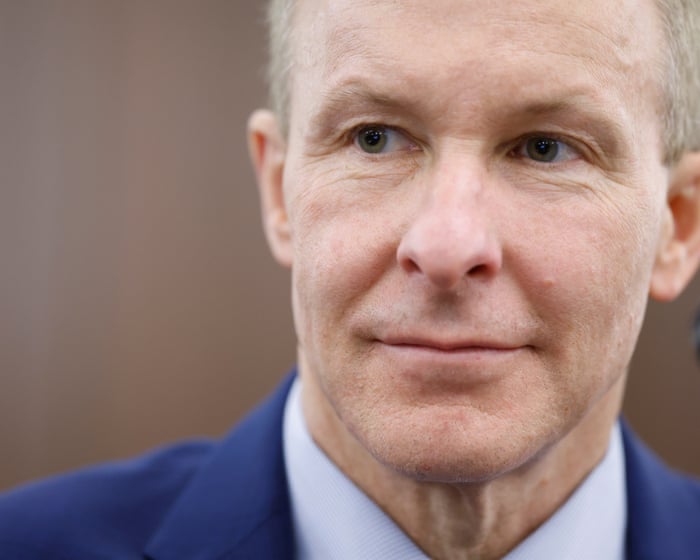
Scott Kirby, the chief executive of major US carrier United Airlines, is facing criticism from conservative politicians and commentators after an interview with the New York Times. He said wealth inequality is a “danger to society” and called for a national wealth and inheritance tax. The remarks arrive amid an ongoing US debate over taxing the very rich.
In the interview, Kirby was asked about growing public distrust of CEOs and whether he feels responsible for easing it. He replied that a wealth tax must be national, because a state-level one would not work – people would simply move. He also said inheritance taxes should come close to 100% at some level, adding that he would pay them himself.
Conservative reaction
The response was swift. Fox Business and New York Post headlines stressed that Kirby earned $32m in 2025. Glenn Beck, a former Fox News host, and other users on X called for a boycott of United. Louisiana governor Jeff Landry called the statement “audacious” and urged Kirby to give his salary to United's lowest-paid employees.
The comments came just two weeks before Californians vote on a so-called “billionaire's tax”, which would impose a 5% tax on the state's billionaires. Wealthy opponents have spent millions fighting the measure.
Fares and fees
Kirby was also questioned about rising airfares. He said this year's prices are being compared with “artificially low” pandemic-era prices, when travel largely stopped. In his words, fares must cover the cost of flying, and operating aircraft is expensive.
Asked about the $70 charge for aisle or window seats for passengers who are not frequent United flyers, Kirby said the way to give everyone what they want is to charge for the services they want. He maintained that fares remain lower than in 2019 once inflation is considered. Labor department data show the airline fares index rose about 20% between September 2019 and September 2026, while overall consumer prices rose 31%.