Report details Unitree founder's tight cost control and harsh management style
Chinese media outlet Caijing Magazine has detailed how Unitree founder Wang personally controls even minor expenses and runs a demanding management style, alongside reports of high staff turnover in recent years.
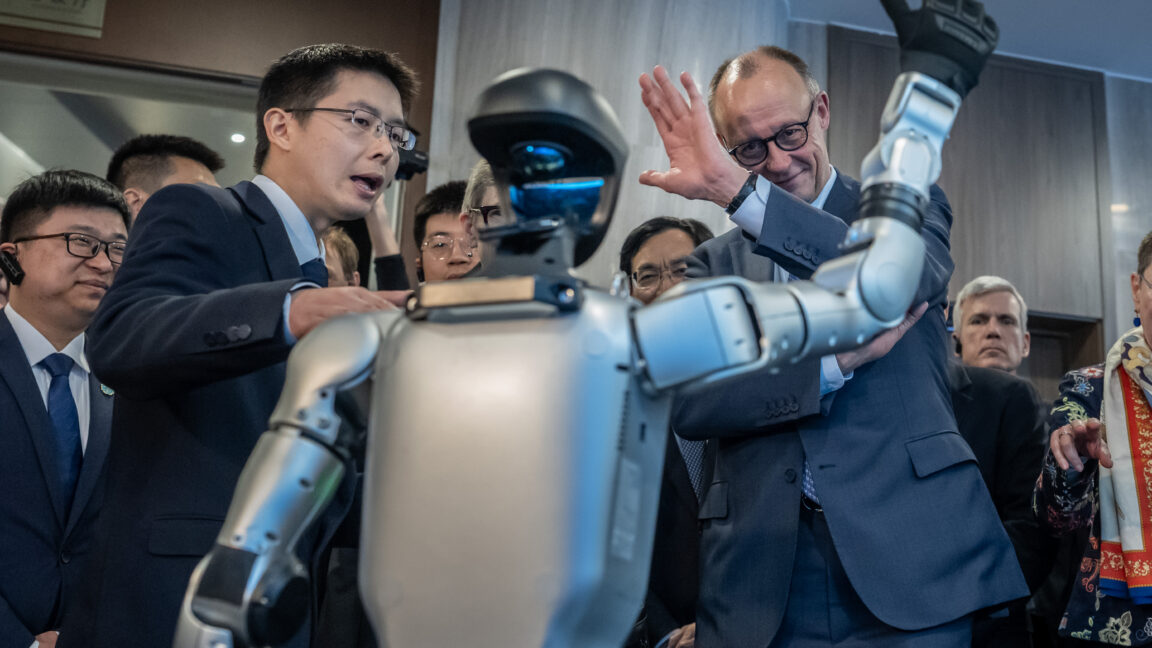
Unitree, the Chinese robotics company that has become a leader in producing affordable humanoid robots, is facing renewed scrutiny over founder Wang's management approach following a detailed report by Caijing Magazine published around the time of the company's recent IPO.
Wang, whose background lies in hardware structural engineering, had previously voiced doubts about large AI "world models," viewing them as too computationally demanding. Yet during the IPO process, he described ambitions to build physical AI systems capable of a continuous loop encompassing perception, decision-making, execution, evaluation, learning, and evolution.
A demanding leadership style
According to accounts from employees, Wang frequently sends messages in work chats as late as 2 or 3 in the morning and spends most of his time at the office, including weekends. Colleagues describe him as blunt and entirely focused on business matters, often cutting conversations short after just a few sentences. Because Unitree lacks a formal management hierarchy, staff reportedly have to wait in line to bring decisions directly to him.
Wang's focus on cost discipline extends to personally signing off on any expense reimbursement above 100 yuan, roughly $15. While such an approach might suit a small startup, Unitree has already grown to at least 480 employees this year, according to Rest of World.
Staff also say the company's incentive structure leans heavily toward penalties rather than rewards, with employees reportedly comparing who received the least criticism. Wang is said to have given every senior executive a performance score of just 1 on a scale running from 0 to 1.5. One longtime employee told Caijing Magazine that 2025 and 2026 have seen the highest turnover of core staff in the company's history. Unitree did not initially respond to Caijing's inquiries, later issuing a general statement to other Chinese outlets claiming the report contained significant inaccuracies, without specifying which details were disputed.