Supervised exercise after ACL surgery improves knee health, trial finds
An Australian trial found that physiotherapist-supervised exercise and education reduce pain and improve quality of life in young adults after ACL reconstruction. There was no evidence the exercises harmed knee cartilage.
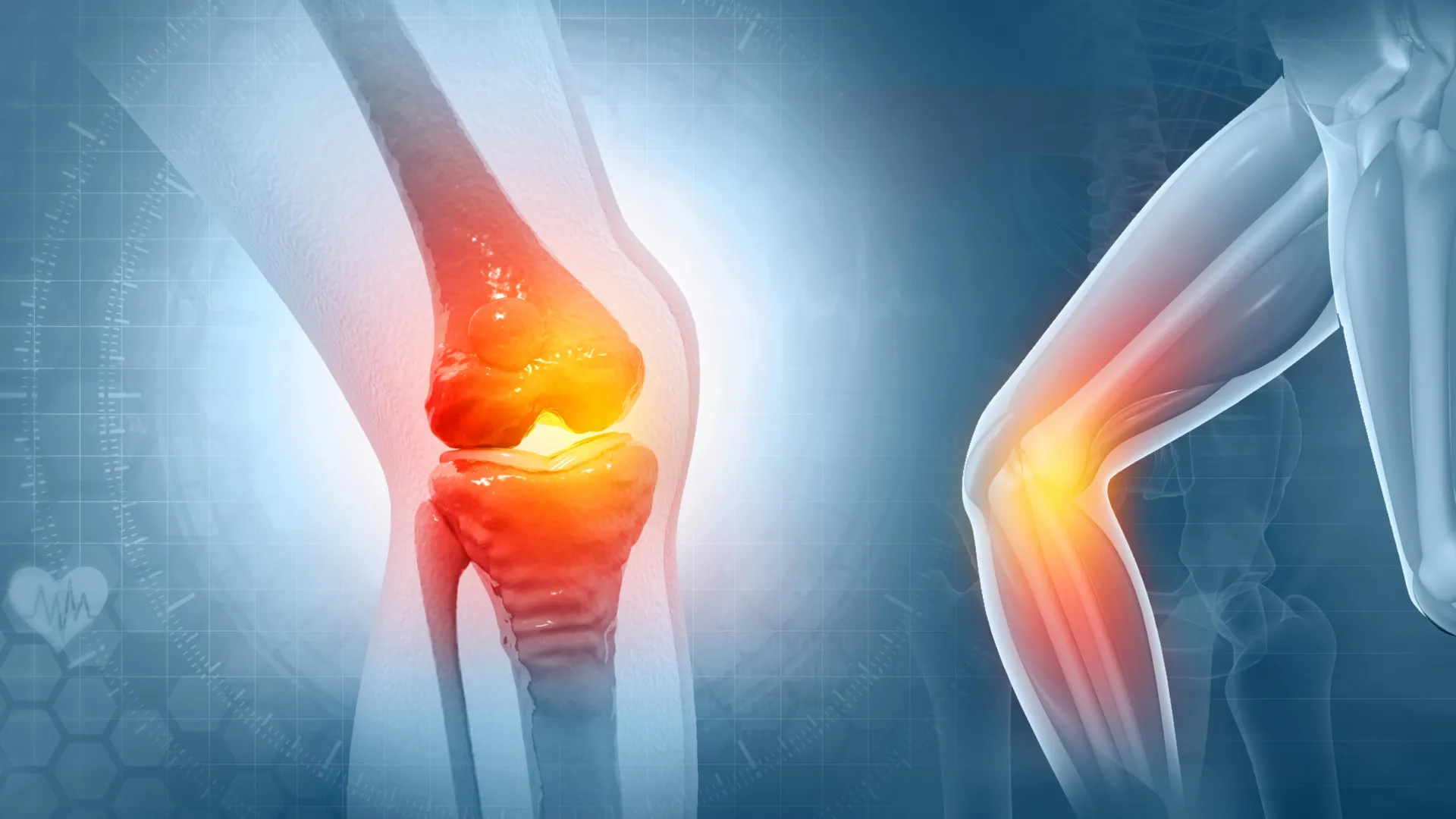
Researchers at La Trobe University in Australia have found in a clinical trial that physiotherapist-supervised exercise combined with education can improve knee health, reduce pain and raise quality of life in young adults after anterior cruciate ligament (ACL) reconstruction surgery. The results, published in Annals of Internal Medicine, may help address the high risk of early knee osteoarthritis in this group.
The problem after surgery
Recovery from ACL surgery is often harder than expected. About half of patients remain dissatisfied with their knee two years later, and roughly half develop signs of early-onset osteoarthritis within a decade, often before age 40. Guidelines recommend pairing exercise rehabilitation with patient education, yet many people receive less. One barrier is a concern that exercise could damage already vulnerable cartilage.
How the trial worked
The SUPER-Knee trial, run by La Trobe's Sport and Exercise Medicine Research Centre, was the first to assess exercise therapy plus education more than nine months after ACL reconstruction. It enrolled 184 adults aged 18 to 40 who still had knee symptoms one to three years after surgery. They were assigned either to a progressive exercise program or to a comparison group that received a single educational session.
Participants who completed the four-month, physiotherapist-guided program showed better knee health and muscle strength, less pain and improved quality of life. There was no evidence the exercises damaged cartilage or worsened early osteoarthritis.
Lead researcher Associate Professor Adam Culvenor said there had been no high-quality evidence on treatments for young people at risk of early-onset osteoarthritis. He said the findings could inform updates to international rehabilitation guidelines and that the program needs minimal specialized equipment or staff training. The trial did not establish whether the program prevents osteoarthritis over the long term.
A patient's experience
Ruby Cumming tore her ACL in 2019, aged 24, while playing Australian rules football, and had surgery within six weeks. Her rehabilitation lasted years, and she has not played contact sport since. For three to four years she had knee pain of varying degree every day. After joining SUPER-Knee and attending weekly physiotherapist-supervised sessions, her pain improved significantly.
The trial was funded by a Project Grant from Australia's National Health and Medical Research Council (NHMRC).