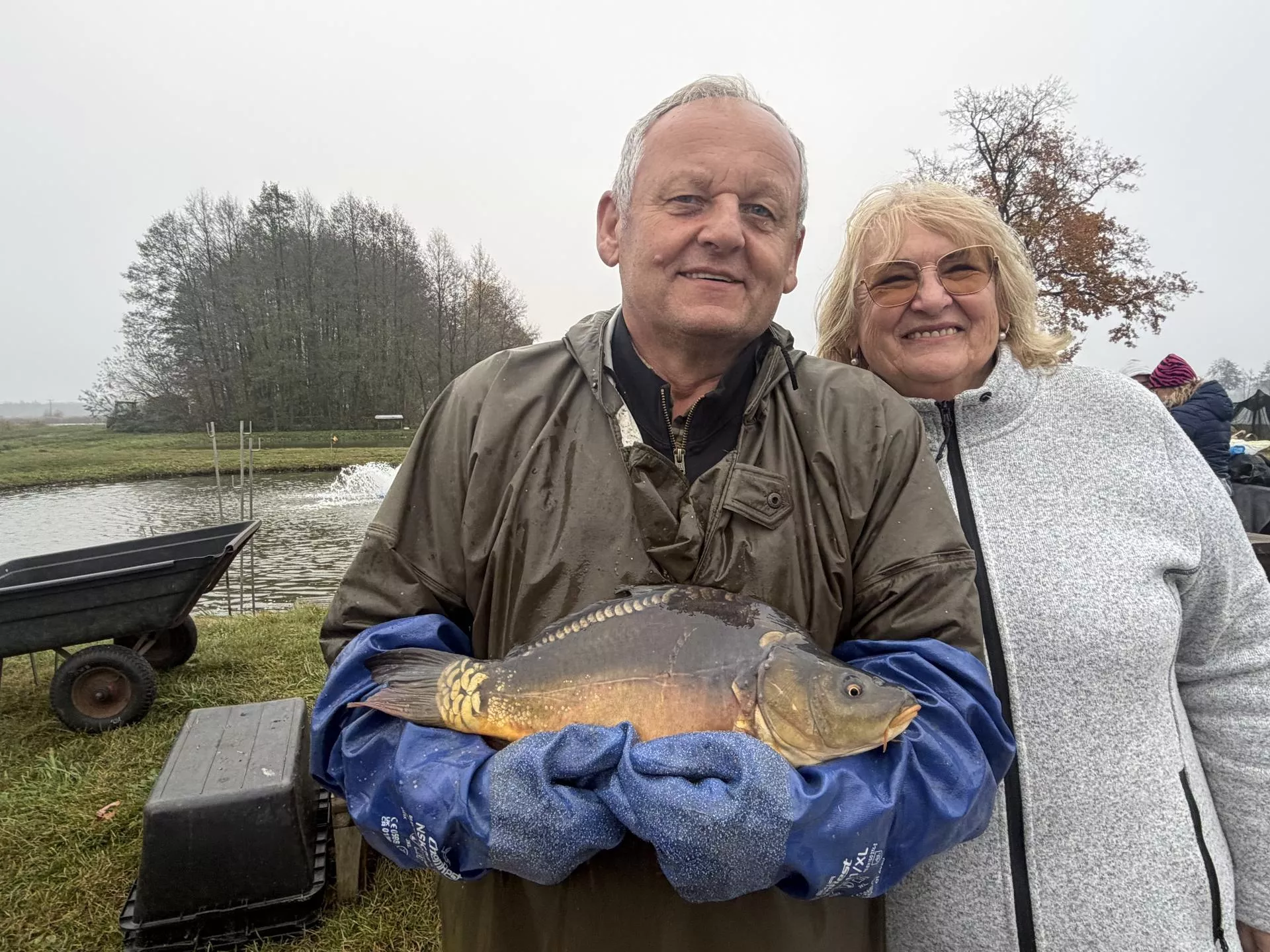
German farmer plans to switch all 340 hectares of arable land to perennial cup plant for biogas
Schleswig-Holstein farmer Holger Peters has grown the perennial cup plant for a biogas plant since 2018 and now covers 125 hectares. He intends to plant it across all 340 hectares of his arable land within two years.
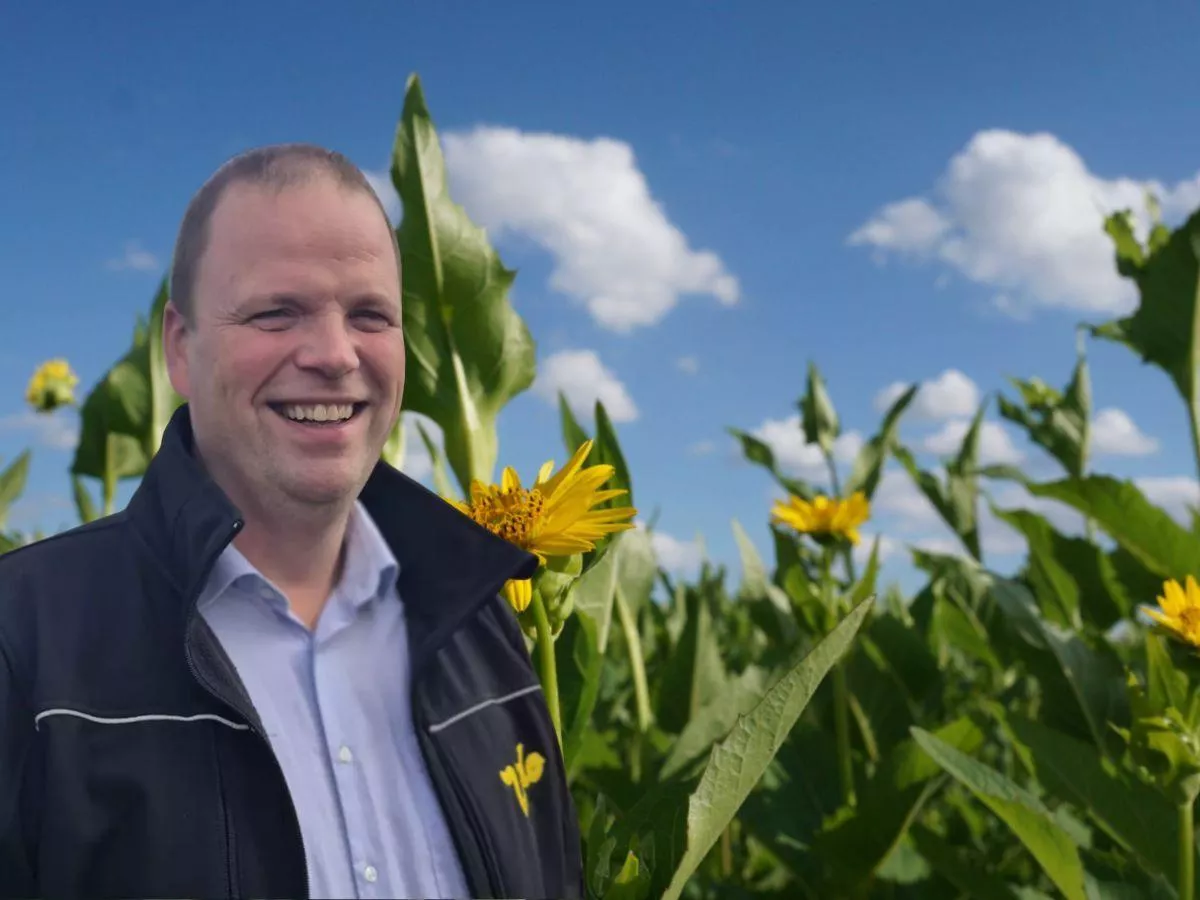
In the northeast of Schleswig-Holstein, a state in northern Germany, farmer Holger Peters and his wife Daniela are reshaping their farm. They grow crops, keep sows, fatten pigs and produce biogas. Peters plans to devote all of his 340 hectares of arable land to the perennial cup plant (Silphium perfoliatum) over the next two years, using it as feedstock for the farm's biogas plant. His aim is to reduce dependence on cereals and maize.
Why not maize
The farm's 570 kW biogas plant has run since 2010 and was expanded in 2020. Peters never wanted to rely on maize alone, because conditions in the region are not ideal for it: soils warm slowly in spring and maize ripens late in autumn. The plant also takes sugar beet, grasses and pig manure.
The cup plant arrived on the farm in 2018, after Peters attended an information meeting about it. He first sowed 10 hectares, mostly smaller and less convenient fields. The results were good, and this year the crop covers 125 hectares. Peters considers conventional cereal growing almost unprofitable in his conditions, pointing to rising costs, dependence on markets and growing weather risks.
About the plant
The cup plant is a perennial of the aster family native to North American prairies. It reaches 2.5–3 metres in height and its roots go as deep as 2 metres. Data from Poland's Plant Breeding and Acclimatization Institute (IHAR) indicate a plantation can be used for 12–15 years; Peters is counting on at least 20. Polish researchers cite green biomass yields of 50–60 tonnes per hectare, while methane output is about 20% lower than for maize: 3,500–4,500 m³ against roughly 6,000 m³ per hectare.
According to Peters, the cup plant yields 11–12 tonnes of dry matter per hectare, while maize can reach about 15 tonnes in good years, but the cup plant is more stable. The main obstacle is establishment, at about 2,000 euros per hectare, and the young crop is sensitive to drought in its first year. He also hopes to use the digestate left after fermentation as a peat substitute in horticultural growing media.