Does the TSA Allow AirTag Trackers in Luggage?
Apple AirTag trackers may be packed in both carry-on and checked luggage, as their battery is well below lithium limits. This applies to the US Transportation Security Administration (TSA) rules and to international regulation.
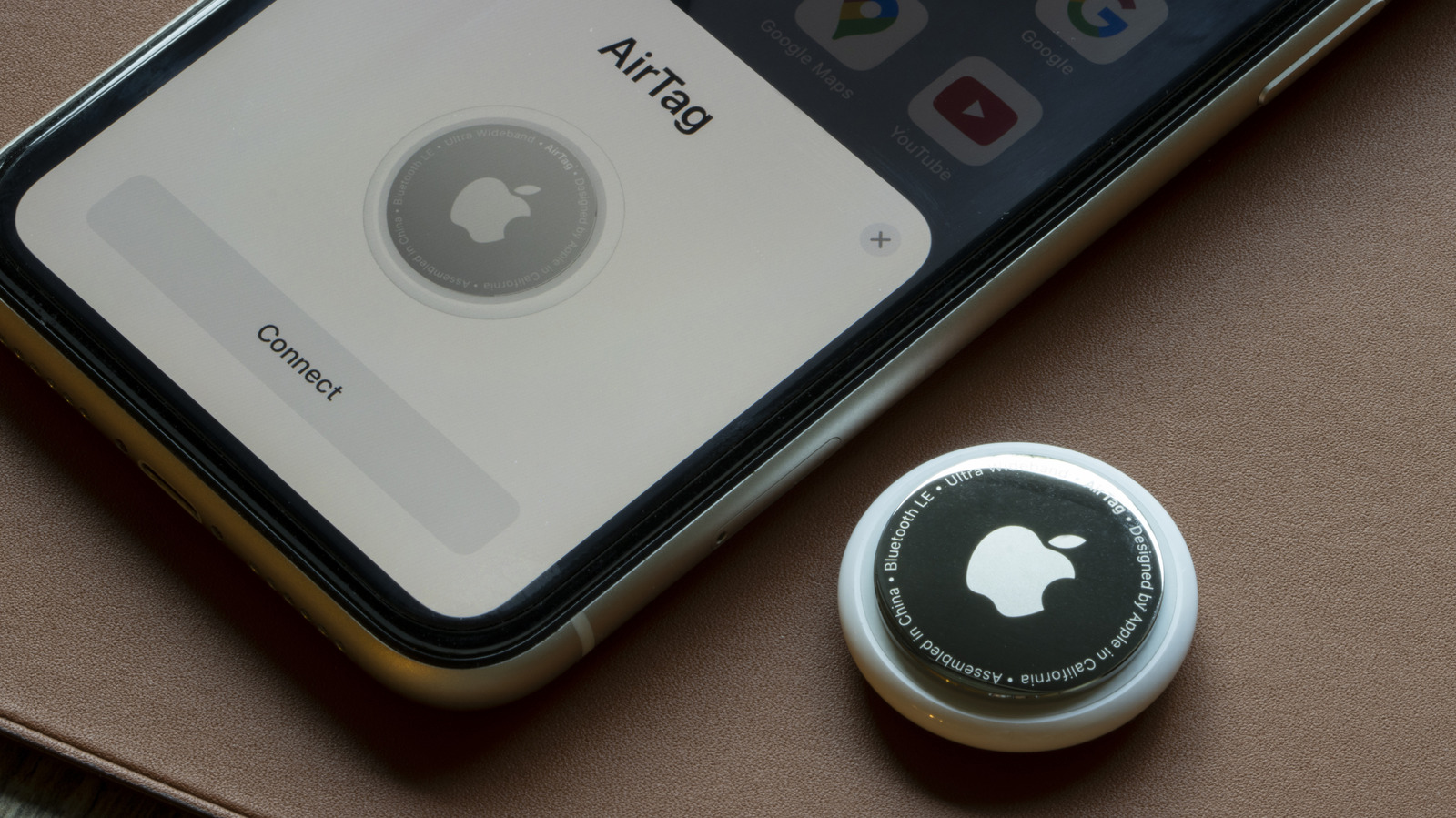
Apple AirTag Bluetooth trackers are allowed on flights and can be left inside checked luggage. That follows from the lithium battery rules of the US Transportation Security Administration (TSA, which handles security at American airports). It matters for travelers who want to keep tabs on a suitcase and find out where it ended up if it goes missing.
What the rules say
The TSA restricts lithium batteries on flights. Non-rechargeable lithium metal batteries are limited to 2 grams of lithium, while rechargeable lithium-ion batteries must not exceed 100 watt-hours (Wh). Devices above that rating need airline permission.
An AirTag runs on a small CR2032 coin cell containing less than 0.1 grams of lithium. It is not rechargeable, so the watt-hour limit technically does not apply, but even if it did, the device's power is under 0.7 Wh.
The situation is much the same outside the US. The International Civil Aviation Organization (ICAO), the UN's aviation agency, passed an amendment in 2023 to ease AirTag bans imposed by some airlines. Under it, devices with lithium batteries in checked baggage may stay switched on if lithium content is under 0.3 grams or a lithium-ion battery's output is under 2.7 Wh.
Why lithium batteries are a concern
The main risk is thermal runaway, a chain reaction in which a lithium-ion device overheats uncontrollably, producing smoke, fire and even flying shrapnel. In an enclosed space such as an aircraft this is especially dangerous. Causes include damage, improper packing and manufacturing defects.
The US Federal Aviation Administration has recorded more than 700 lithium-ion incidents since 2006, with nearly four in ten involving portable battery packs. For that reason the TSA requires devices containing lithium batteries to travel in carry-on rather than checked bags.
Limits on power banks
Many airlines require power banks to be kept in sight, and Southwest Airlines allows one per traveler. The UK Civil Aviation Authority advises against using them to charge other devices onboard. Virgin Australia, Qantas and Jetstar have banned onboard use of power banks entirely.
An AirTag relies on nearby Apple devices, so it may work less well in regions with fewer iPhone users, such as Eastern Europe or South America. Travelers are advised to check the rules of every airline and country involved before departure.