Are matryoshkas and kokoshniks really Russian? Former Pushkin Museum director draws prosecutors' attention
Art historian and former Pushkin Museum director Elizaveta Likhacheva stated in an interview that matryoshka dolls originated from a Japanese toy, and kokoshniks were invented by Art Nouveau artists inspired by 15th-century Italian paintings. After criticism from Russian Foreign Ministry spokeswoman Maria Zakharova, activist Vitaly Borodin filed a complaint with the prosecutor general's office, asking to check if Likhacheva's statements discredited cultural heritage.
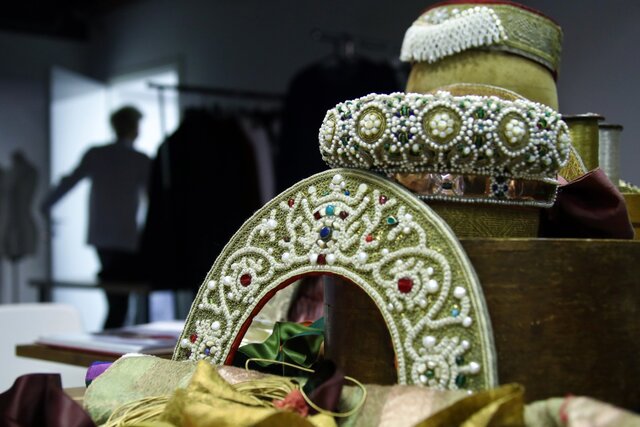
On June 18, Elizaveta Likhacheva, an art historian and former director of the Pushkin State Museum of Fine Arts, gave an interview on YouTube focused on education and parenting, but her remarks on Russian culture drew the most attention. She argued that many symbols associated with Russian national identity are rooted in other cultures. The matryoshka, for example, derived from a "Japanese toy." The kokoshnik, she said, was invented by "artists of the Art Nouveau era, who lifted headwear from 15th-century Italian paintings." She also noted that Russian literary classics like "War and Peace" were partially written in foreign languages—French, in that case.
Nearly three weeks later, on July 6, Russian Foreign Ministry spokeswoman Maria Zakharova criticized Likhacheva on Telegram, calling her a "pseudo-intellectual false honey fungus" and claiming that French words make up less than four percent of "War and Peace." She urged the public to protect themselves from such statements.
Responding to Zakharova, Likhacheva remarked that if a senior Foreign Ministry official is busy hunting down the statements of an unemployed art historian, it seems all enemies have already been defeated.
Likhacheva's comments about the kokoshnik also drew criticism from embroiderer Olga Vasilkova, who lives in political exile. Vasilkova recorded a video pointing out that kokoshniks appear in 17th-century documents and that museums hold examples from the 18th and 19th centuries. She also expressed eagerness to see the 15th-century Italian paintings Likhacheva mentioned.
On July 12, Vladlena Grinblat, founder of the "Russian Kokoshnik" museum, told TASS that since the late 16th century, married women in Rus' wore kokoshniks in roughly the form seen in surviving artifacts from the late 17th to early 20th century. She called it a "crime against the culture of the nation."
Finally, on July 14, professional denouncer Vitaly Borodin announced that he had filed a complaint with the Prosecutor General's Office, asking it to review Likhacheva's statements to determine if they discredited cultural heritage. He claimed this was no longer a scholarly discussion but a blow to the cultural code and historical memory.


