In search of Valencia's 'white gold': my hunt for the perfect horchatería
The article explores Valencia's traditional horchatería culture, visiting several establishments and rating their horchata and fartons to find the ultimate experience.
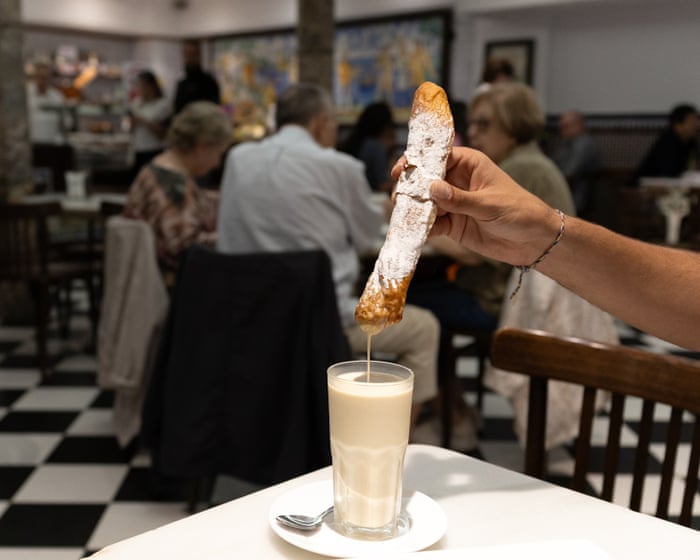
In Valencia, horchata – a creamy, non-alcoholic drink made from chufas (tiger nuts) – is known as 'white gold'. Production is authorized in only 16 towns in the Valencia region, with Alboraya, about a 45-minute walk from the old town, recognized as its birthplace. Chufas have been cultivated there for over 1,000 years; the region produces 5.3–8 million kilograms of dried tiger nuts annually. Horchata is traditionally paired with a farton, a long, cigar-shaped pastry created in the 1960s by the Polo family for dipping.
The author visited several horchaterías to assess both the drink and pastries. Horchatería Fabián (founded 1975) was empty and unwelcoming; its horchata was overly sweet (4/10). Horchatería Daniel (founded 1949) has three locations; at the central branch near Plaza de la Reina, the horchata was creamy and moderately sweet (6.5/10), but a chocolate-covered farton disappointed.
Horchatería Santabárbara in Montolivet was welcoming; manager Rafa offered a sugar-free horchata that was clean and refreshing (7/10). Horchatería de Santa Catalina, next to a 17th-century bell tower, was the grandest – with marble tables and ceramic tiles. Its horchata (8/10) was darker and creamier, and the farton (6.5/10) melt-in-the-mouth. Horchatería Mari Toñi in La Saïdia served fresh, fluffy fartons (7.5/10) and a pleasant horchata (6/10).
For takeaway, the author recommends Món Orxata, which revives a 400-year-old tradition of selling unpasteurised horchata from street carts. Pair it with an orange-infused farton from Gelática Ice Concept (8.5/10) and enjoy during a sunset beach walk.