Environment agency begins impact assessment for hydrogen corridor, landowners voice concern
Latvia is in the early planning stages for a possible Northern-Baltic hydrogen corridor, and the State Environmental Service has already launched an environmental impact assessment for the project even though no final construction decision has been made. Landowners within the study area say they are confused about how the process can proceed without parliamentary or government approval.
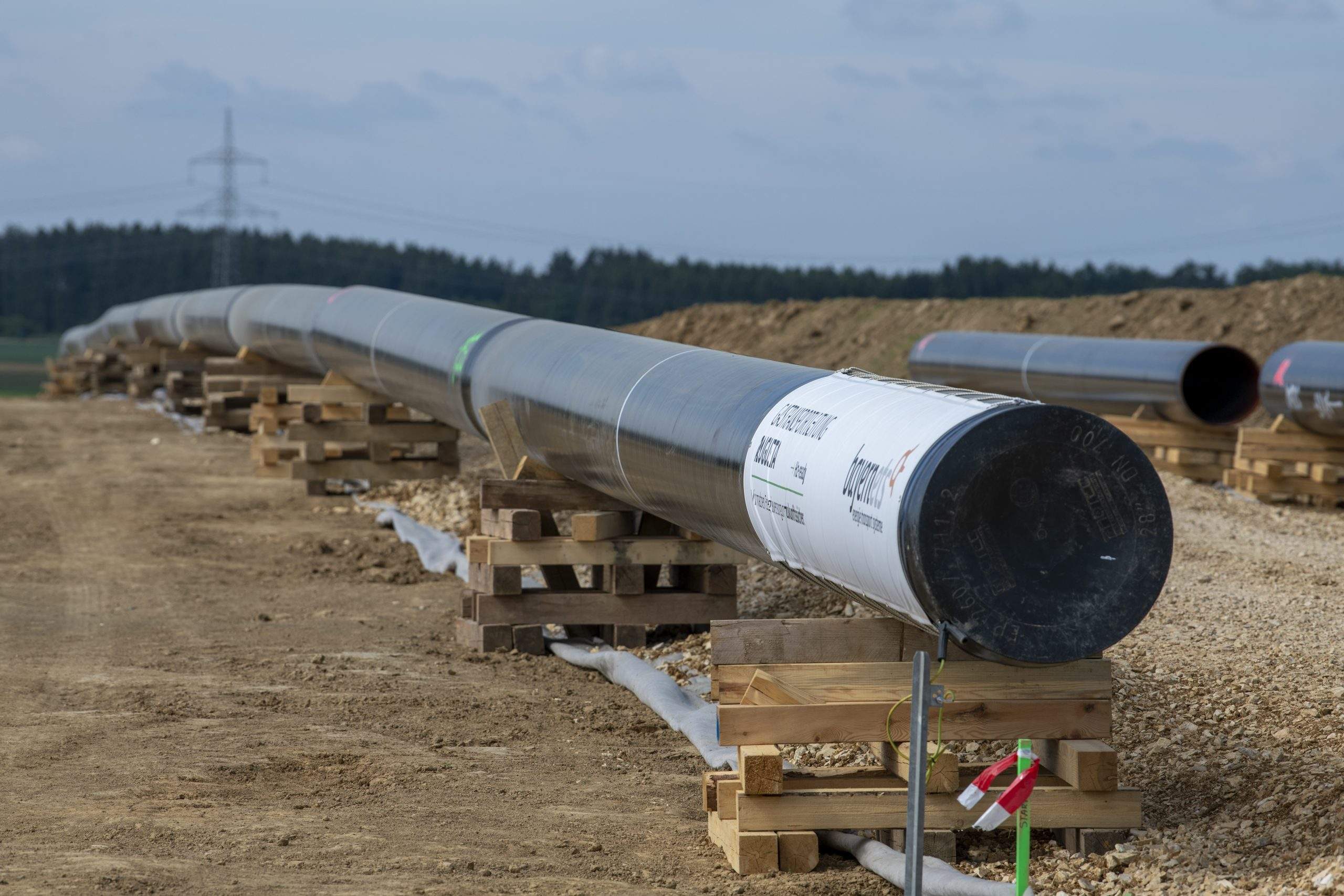
Preparatory work is underway in Latvia for a potential Northern-Baltic hydrogen corridor — a high-pressure pipeline that could eventually link Finland, Estonia, Latvia, Lithuania, Poland and Germany. The route through Latvia would stretch roughly 270–280 kilometers and cross ten municipalities, though the project remains at the research and environmental impact assessment (EIA) stage.
The plan has unsettled landowners whose properties fall within the study zone. A resident of Cēsis municipality named Guntis wrote to the newsroom, questioning how such a large-scale project could move forward without a decision from parliament or the government. The Cēsis municipal authority confirmed that the State Environmental Service (VVD) applied the EIA procedure to the project on April 17 of this year, and that Guntis's properties lie within the impact zone, although the pipeline's exact location has not yet been determined. The pipeline is planned to run parallel to the existing natural gas transmission line, with roughly 15 meters between the two.
Agency: decision is not a building permit
The VVD explains that starting an EIA procedure does not require a prior Cabinet of Ministers or parliamentary decision — this follows from an EU directive and Latvia's law on environmental impact assessment. The project developer, AS Conexus Baltic Grid, will carry out the research, after which the VVD will issue an opinion. The final decision on approving the activity rests with the affected municipalities, or with the Cabinet of Ministers if municipalities disagree on the route. Separate construction permitting procedures would still follow any approval.
The agency stresses that landowners will have further opportunities to raise objections — beyond the initial public consultation already held, the law requires at least one more public consultation on the EIA report. No restrictions or protective zones have yet been set, since the exact route will only be determined during the research process.


/nginx/o/2026/10/04/17955353t1hf709.jpg)