A Historical Look at the 'Improper Celebration' of Līgo: From the 18th Century to the Ulmanis Regime
The article explores how the celebration of Līgo historically merged Christian and pagan traditions, and how it evolved from the 18th century until the authoritarian regime of Kārlis Ulmanis.
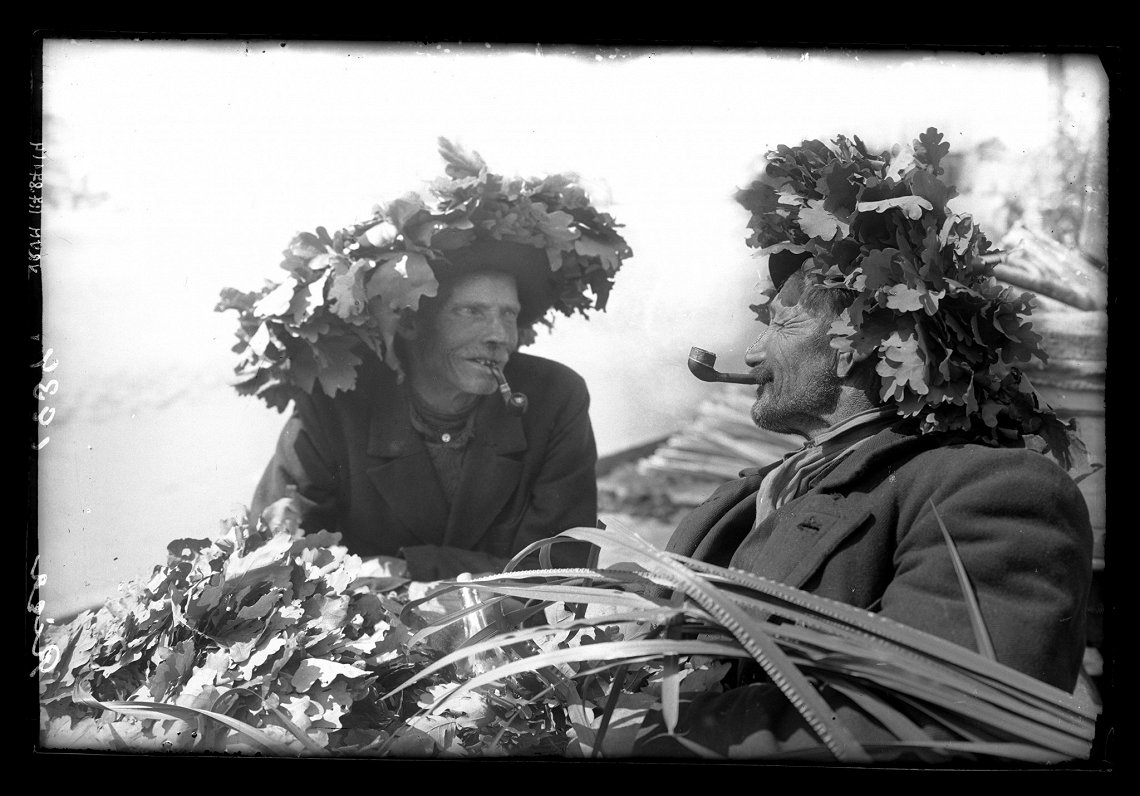
Christian and Pagan Heritage
Since the Middle Ages, June 24 has intertwined two fundamental layers of European culture. For Christians, it is the birthday of John the Baptist, one of the most important religious holidays of the year. However, once the festivities left the church, peasants – historically the majority of Europeans – indulged in joy and pagan fertility rites rooted in millennia. Reflections of these customs have been preserved in various holiday traditions.
From the 18th Century to the Ulmanis Era
From a modern perspective, it is easy to overlook that just a couple of centuries ago, bonfires, wreath-making, songs, dances, revelry, and sleepless nights were part of a common European experience. The article examines how these traditions changed in Latvia from the 18th century to the Ulmanis regime, when authorities tried to regulate and 'correct' the celebration of the holiday.
/nginx/o/2026/10/07/17960440t1h7601.jpg)