Storm's aftermath exposes Latvia's vulnerability to infrastructure disruptions
Last weekend's storm in Latvia caused widespread power and communication outages, revealing how dependent daily life is on interconnected systems. The head of CSR Latvia calls for a broader view of critical infrastructure and better preparedness for future extreme weather.

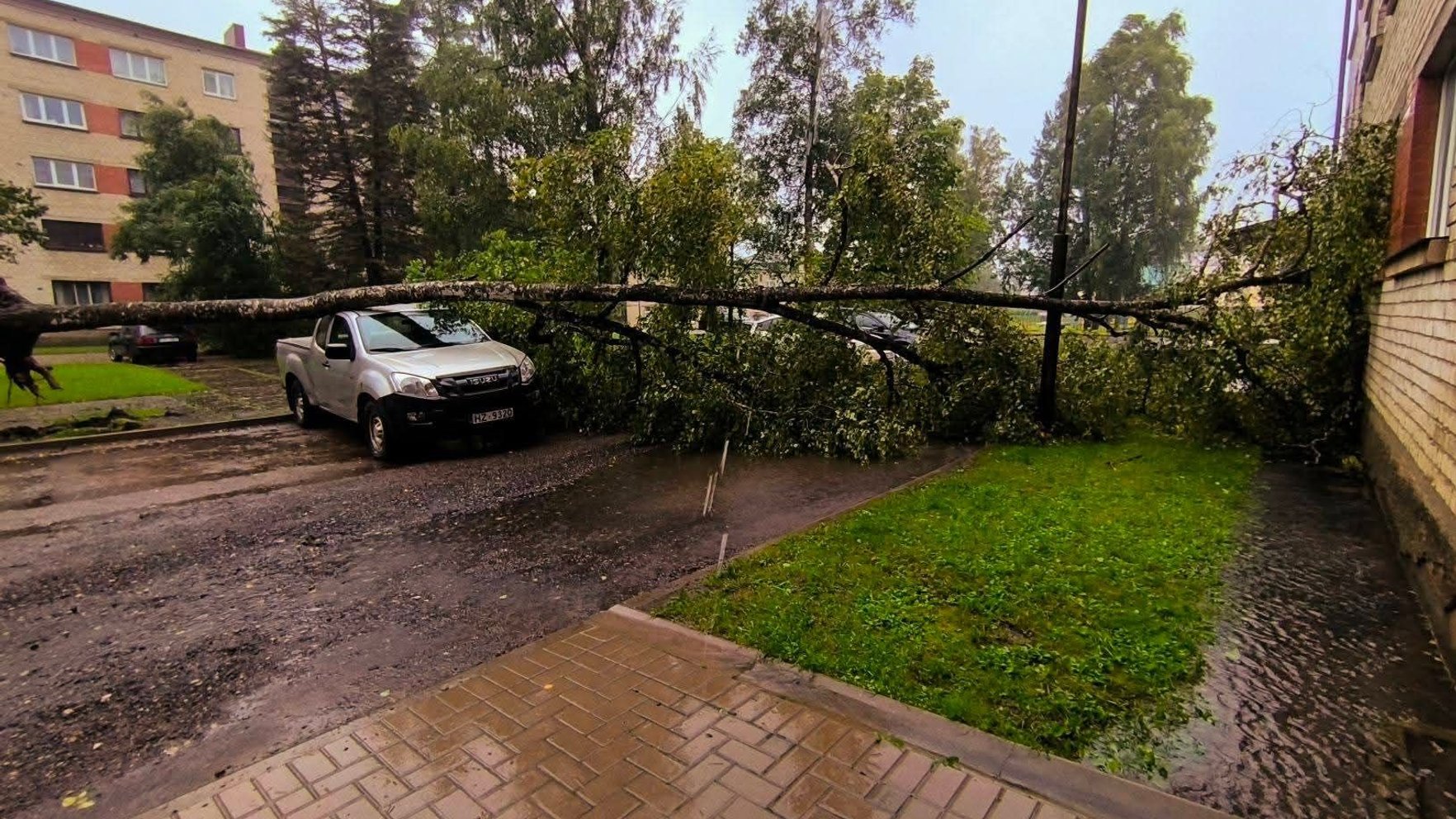
The storm that hit Latvia last weekend caused widespread electricity and mobile communication outages, along with disruptions at fuel stations, hospitals and shops. The event demonstrated how closely everyday life and the economy depend on systems normally taken for granted — once power fails, problems with communications, payments and access to goods quickly follow.
Agnese Alksne-Bensone, chairwoman of CSR Latvia, writes that such crises arise not from the natural event itself, but when an extreme event meets an unprepared system. She notes that Latvia's understanding of critical infrastructure is often limited to power grids, telecommunications, water supply and state institutions, while during a crisis other places become important too — a local shop, a fuel station, or anywhere to charge a phone. This is especially relevant in regions with few alternative services.
The author argues that both the state and municipalities, together with businesses, need to take greater responsibility for societal resilience. Companies — including grocery chains, fuel station networks, banks and telecom operators — should assess how long they could operate without electricity or communications and whether they are prepared for supply chain disruptions. Tools for such assessments, including klimatariski.lv, are already available in Latvia.
Alksne-Bensone points out that 72-hour preparedness and the "112 Latvia" app are not meant only for wartime or military threats, but also for situations where regular infrastructure — electricity, water, communications or payment systems — is unavailable for several days. She encourages everyone to check whether they have enough water, a charged power bank, a flashlight, medication and some cash at home, and to remember society's most vulnerable members — seniors, people with mobility limitations, and families with young children.
The author concludes that eliminating all risks entirely is impossible, but society can better understand its vulnerabilities and treat climate risk management as rational practice, comparable to fire safety or cybersecurity.
/nginx/o/2022/08/16/14764488t1h21fa.jpg)
