Medieval manuscripts reveal history of sheeppox virus
Researchers extracted sheeppox virus DNA from medieval parchment manuscripts, showing the disease repeatedly struck European flocks for centuries. The find highlights how ancient documents preserve not just cultural but also disease history.
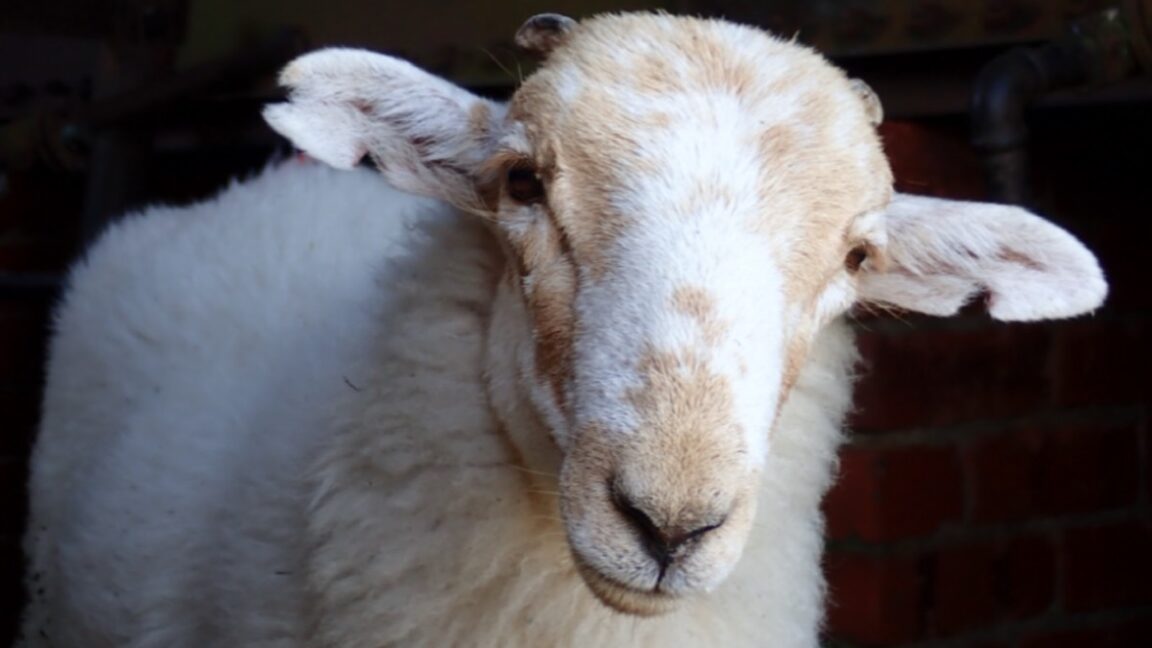
A team of researchers has applied microbial DNA analysis to medieval parchment manuscripts, uncovering traces of the sheeppox virus preserved within the animal skins used to make them. Samples were collected from collections at Yale University, Cambridge University, Corpus Christi College, University College Dublin (UCD), Lambeth Palace Library, Trinity College, and others.
The examined works included pages from a 15th-century Speculum Historiale, the 15th-century Clairvaux manuscripts, several 9th-century gospel fragments, the 9th-century Achadeus Psalter, the early 11th-century Trinity Gospels, the Lambeth Bible, and the 1,000-year-old York Gospels.
Traces across species
Multiple pages, often from the same manuscript, were found to carry DNA from the sheeppox pathogen, indicating that infected animals were used to produce the parchment and that medieval flocks experienced frequent sheeppox outbreaks. Researchers were surprised to also find viral evidence on parchment made from calfskin and goatskin, suggesting either cross-species infection or contamination during parchment production.
The team additionally analyzed DNA from Bronze Age sheep teeth recovered at settlement sites in Russia and Central Kazakhstan, since teeth can preserve infection evidence over thousands of years. Comparing these ancient sequences with the medieval samples, the researchers concluded that the sheeppox virus diverged from the goatpox and lumpy skin disease viruses between roughly 11,500 and 3,700 years ago—a timeframe that aligns with the domestication of animals in Europe.
In total, the team recovered 21 ancient genomes spanning from 1700 BCE to early modern Europe. Co-author Kevin G. Daly of UCD noted that parchment-making has long been considered a vanishing craft, but the research shows how much of the past it has actually preserved, including a record of disease among medieval livestock.