Opinion: Latvia Should Close the Russian Embassy in Riga
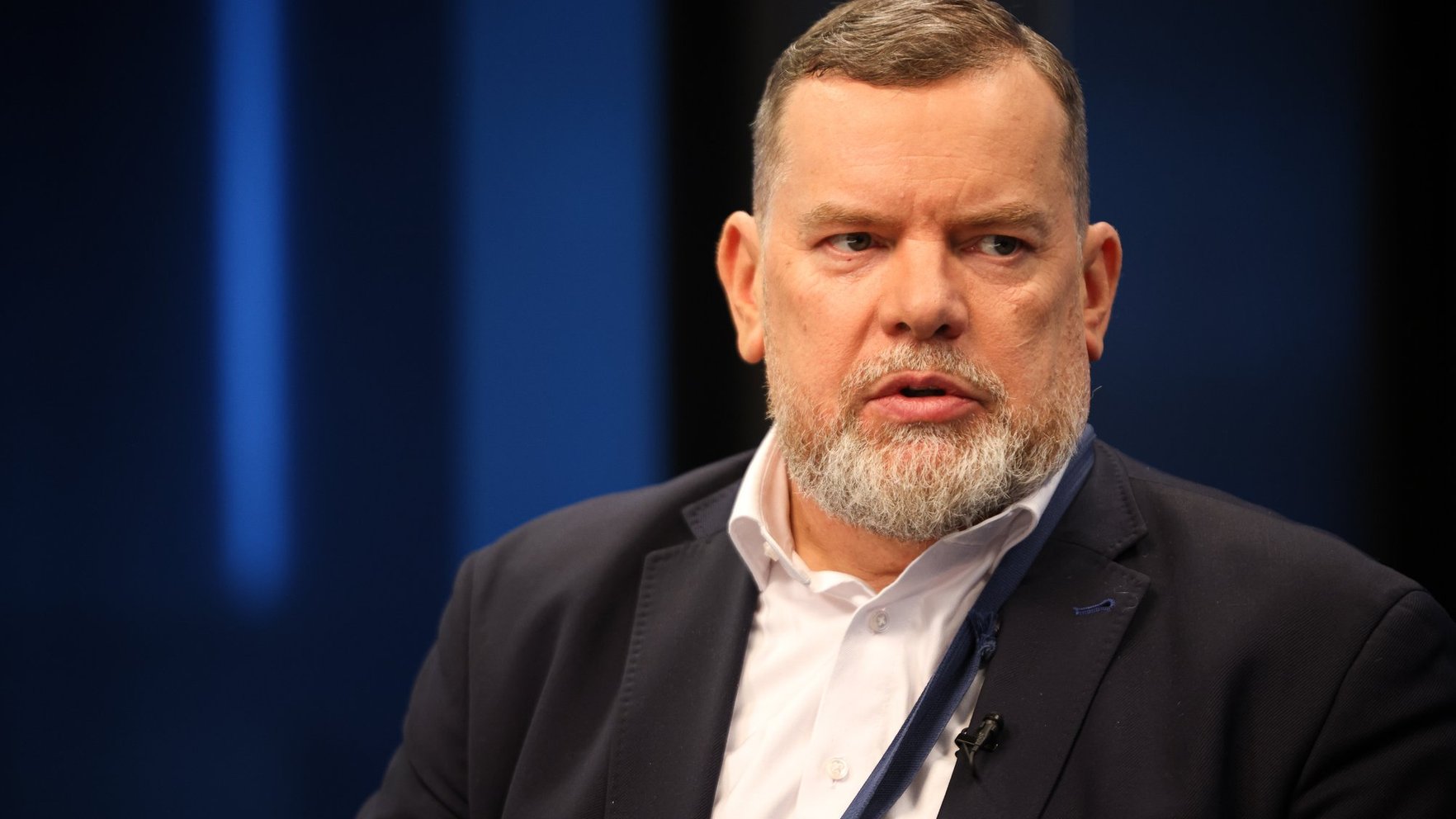
In an opinion piece on the Delfi portal, Juris Alberts Ulmanis calls for Latvia to fully sever diplomatic relations with Russia and close its embassy in Riga. He argues that keeping it open is unjustified while Russia continues its war in Ukraine.

In an opinion article published on the Latvian news portal Delfi, Juris Alberts Ulmanis urges Latvia to take the next step in its relations with Russia: fully cutting diplomatic ties and closing the Russian embassy in Riga. The piece is the author's own view and may not match the position of Delfi's editorial team. It is framed by Russia's invasion of Ukraine, which began four and a half years ago.
What has already changed
The author notes that since the invasion Latvia has downgraded diplomatic relations with Russia to the level of chargé d'affaires, expelled Russian diplomats and recognised Russia as a state sponsor of terrorism. Because of sanctions, trade between the two countries has dropped dramatically, the border is effectively closed, and public opinion has hardened against dealings with Russia.
The author's arguments
Ulmanis points out that Latvia has no embassies of North Korea, Iran or Somalia, and asks why Russia's representatives should be treated differently. In his view, the embassy's main task is to serve Latvian citizens who travel to Russia to visit relatives, but visas can be arranged remotely or in neighbouring countries. He also raises concern that it is not known whether embassy staff gather intelligence or spread disinformation, and hopes security services are monitoring them. Before the occupation of Crimea, more than 50 people stayed at the compound on Antonijas Street; the number is now lower.
Legal basis and consequences
The author stresses that closing an embassy does not violate international agreements. He cites Article 9 of the Vienna Convention on Diplomatic Relations, drawn up in Vienna in 1961, which allows a host state to declare a diplomat persona non grata at any time and without explanation. Expelling all staff would effectively suspend the embassy's work. Latvia would still have to guard the embassy buildings.
Ulmanis accepts that Moscow would probably respond in kind by closing Latvia's embassy in Russia. He argues the loss would be minimal, since options for consular assistance in the aggressor state are already very limited and the Foreign Ministry urges people not to travel to Russia. He concludes that national security interests and moral stance outweigh the inconvenience of such reciprocity.