Opinion: Storm-caused power outages expose weaknesses in Latvia's energy grid
A heating engineer's opinion piece examines a recent storm that left over 280,000 customers in Latvia without electricity, arguing the outages reveal the grid's inadequate resilience. He calls for revised investment priorities and greater local energy production.
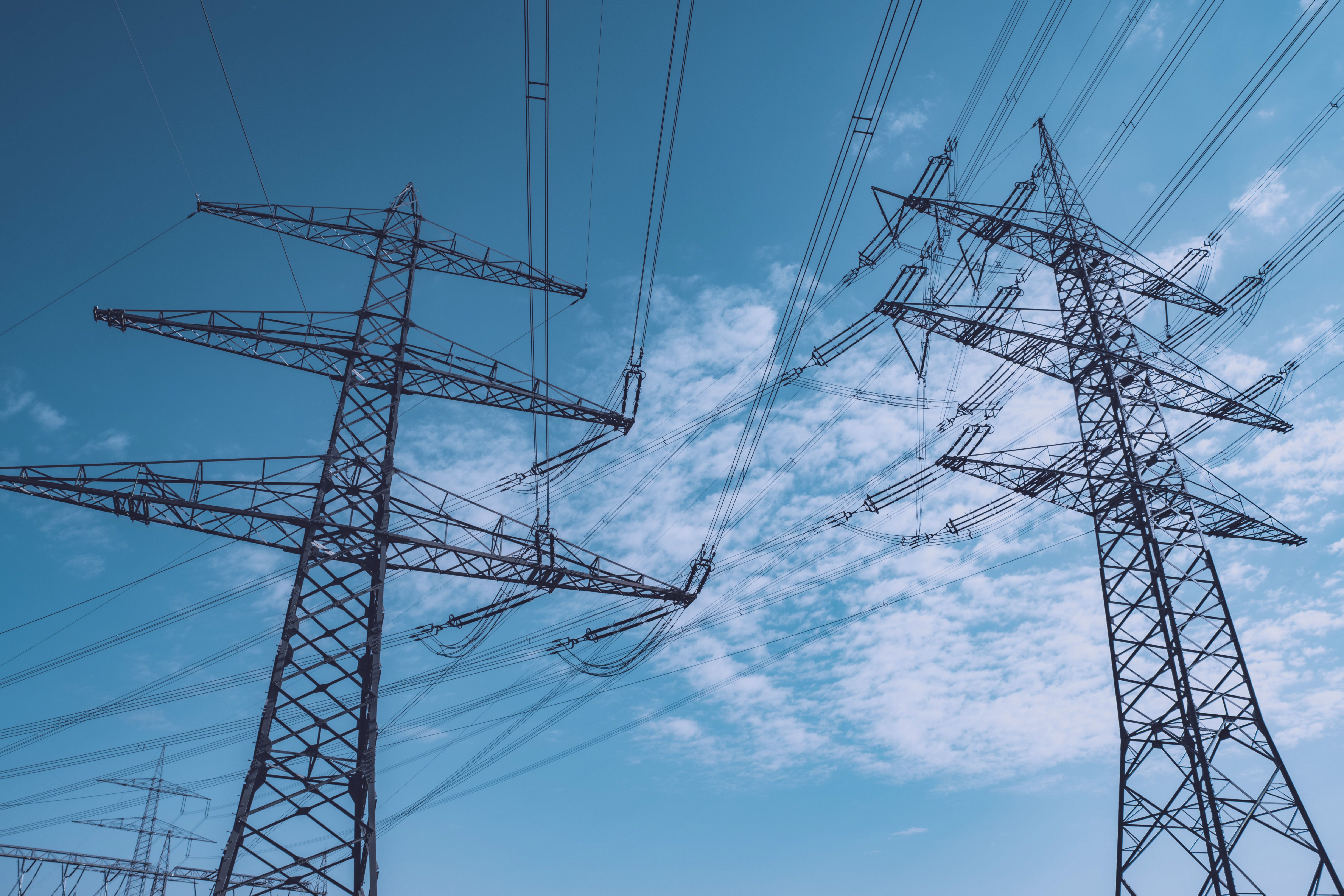
A recent storm left more than 280,000 customers across Latvia without electricity, with outages in some areas lasting over 30 hours. The author, a heating engineer named Aleksandrs Lielmežs, experienced his household's longest-ever outage — over 32 hours — highlighting how dependent daily life has become on electricity, from cooking and water heating to communications and internet access.
Missing analysis of root causes
According to the author, public discussion after the storm focused mainly on managing the aftermath and criticizing residents for being unprepared, while little attention was paid to why the high-voltage and distribution networks were not resilient enough to withstand such weather, despite recent significant tariff increases.
Questioning investment priorities
The author notes that a large share of investment has gone toward connecting wind and solar power plants to the grid, yet these sources produce no power during storms or prolonged anticyclones, making them of little use in emergencies. He suggests urgently revising Latvia's Energy Strategy 2050 and investing more in baseload capacity such as cogeneration plants and modular nuclear reactors.
Example from Mālpils municipality
As an example, the author cites Mālpils municipality, where hydroelectric stations, cogeneration plants and solar panels together provide over 2,300 kilowatts of capacity — theoretically enough for an energy community. Yet during the storm, none of these producers could supply electricity even to critical infrastructure, because the grid is not built to allow local operation.
Proposed solutions
The author proposes several measures: merging the transmission and distribution grid operators, replacing overhead lines running through forests with underground cables, enabling small producers to operate locally, promoting energy communities and microgeneration, and directing customer payments toward grid reliability rather than profit. The piece also thanks the workers involved in restoring power after the storm.
/nginx/o/2026/08/28/17880738t1h39eb.jpg)