Smartwatches and AI: Can They Detect Early Signs of Illness?
Smartwatches track various health metrics, but only a few are clinically reliable. Experts warn they are not diagnostic tools but can help spot deviations from normal patterns.
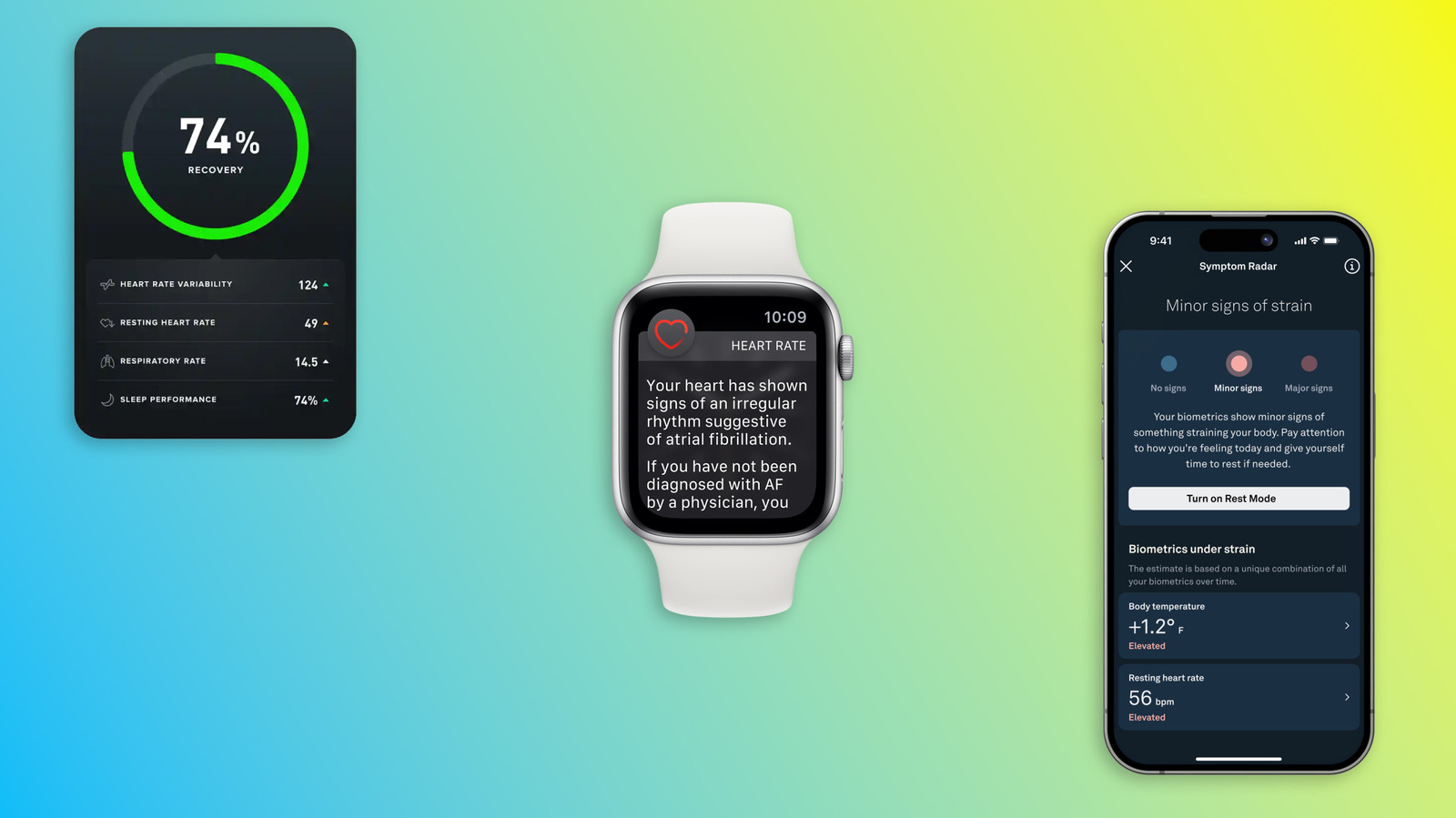
Modern smartwatches and wearables have evolved beyond step counting and heart rate monitoring. They now track sleep, skin temperature, respiratory rate, blood oxygen, heart rate variability, and even alert users to potential sleep apnea. However, not all features are medically reliable.
One of the most validated functions is atrial fibrillation (AFib) detection. A study on Apple Watch found that 84% of irregular pulse alerts were confirmed as AFib. This is considered clinically useful because AFib has a clear physiological signature.
Other metrics, such as blood pressure alerts, calorie estimates, and detailed sleep stage tracking, are not accurate enough for medical decisions. Daily wellness scores like Oura's Readiness and Whoop's Recovery rely on proprietary algorithms, offering little actionable data for doctors.
Research shows wearables can detect physiological changes from respiratory infections before symptoms appear. For example, a study from Texas A&M and Stanford found that smartwatches could identify early signs of COVID-19 and influenza within hours of infection. Encouraging early isolation and testing could reduce pandemic transmission by up to 50%. However, wearables detect the body's response, not the virus itself.
Artificial intelligence is increasingly integrated into wearable apps, such as Google's Health Coach, Oura's Symptom Radar, and Apple's Vitals. These tools combine data from multiple sensors and compare it to the user's baseline. Yet, AI analysis often happens behind the scenes, providing little that doctors can act on. There is a risk that people might substitute AI advice for professional medical consultation.
Experts emphasize that the future of wearable health is not about diagnosing diseases from the wrist. Instead, these devices will quietly monitor patterns, alert users when something is off, and provide useful information to discuss with a doctor. Regular checkups remain essential.


%20ILLUSTRATION%20Isadora-Ayesa%20Lima%20SOURCE%20Amazon.jpg)