Smartwatches may misjudge sleep quality, especially for people with insomnia
A new scientific review finds wearable sleep trackers often fail to reflect how people actually feel about their sleep, with the gap being largest among those suffering from insomnia. Researchers advise trusting personal perception over device readings when the two disagree.
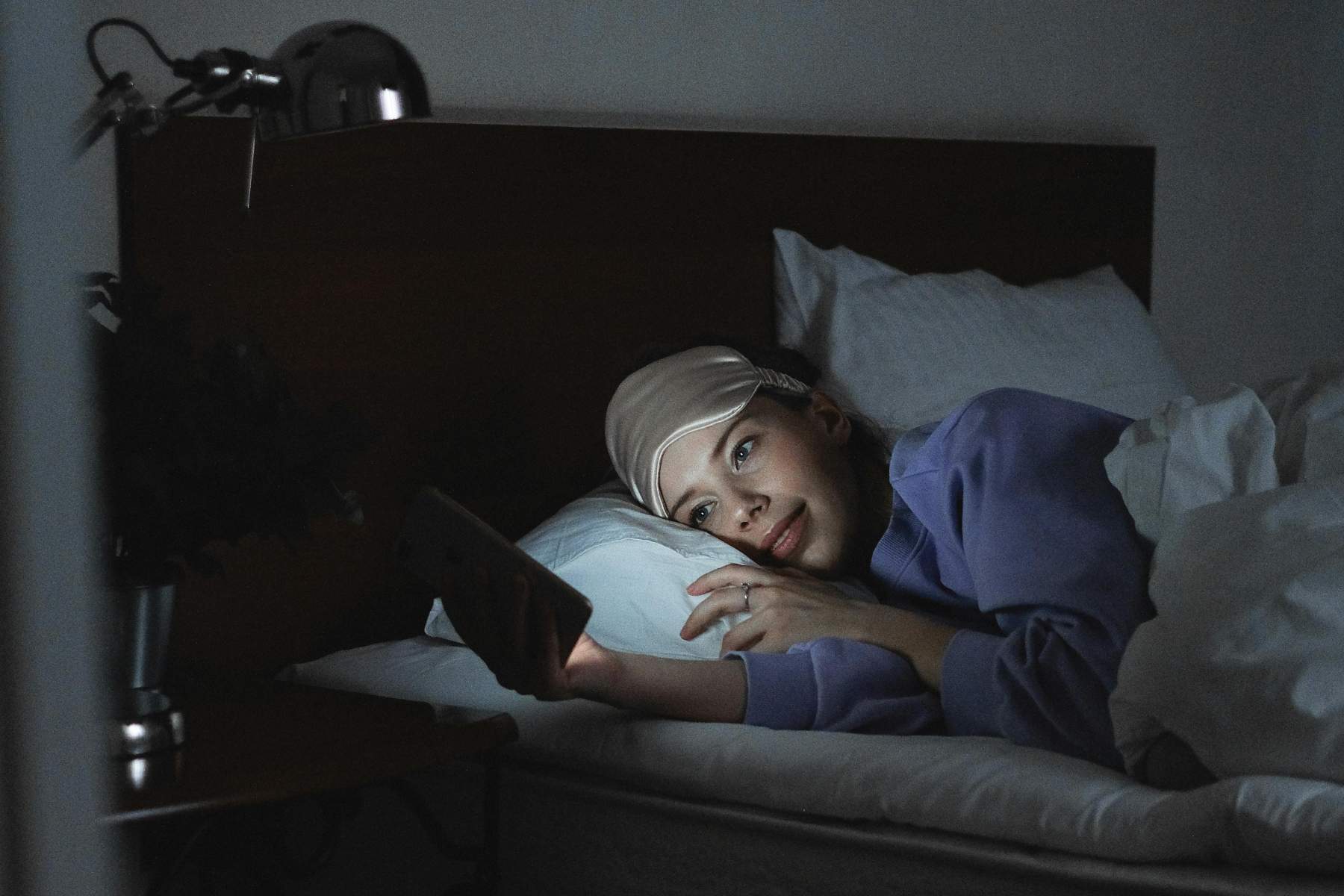
A pulmonologist and clinical physician at Duke University conducted a systematic review comparing data from wearable sleep trackers such as Fitbit and Apple Watch with people's own assessments of their sleep. The review analyzed five prior studies involving a total of 2,006 participants.
The results showed that device data accounted for only about 2.5 to 16.2% of the variation in how people subjectively rated their sleep quality. In other words, a tracker can reasonably estimate how long someone slept, but that alone says little about how the person actually felt afterward.
The biggest gap: insomnia
In one of the studies included in the review, Fitbit readings matched laboratory sleep measurements in about 82% of cases for good sleepers, but only about 39% of cases for people with insomnia. The main reason was that the device often failed to detect how frequently a person woke up during the night. As a result, total sleep duration for insomnia sufferers was overestimated by roughly half an hour on average, and sleep efficiency by about 8%.
Even lab testing doesn't tell the whole story
Sleep can be studied far more precisely in a lab using polysomnography (PSG), which records brain activity, breathing, heart rate and body movements. Yet even this method doesn't capture everything about how a person perceives their own sleep. Someone can show normal sleep parameters in a lab and still feel unrested the next morning. For instance, a person with depression may rate their sleep as poor even when objective measurements are within normal range, while another person may have fragmented sleep yet feel satisfied with it.
What researchers recommend
Doctors are increasingly encountering patients who arrive with data from their smartwatch or other wearable device. Such information can be useful for tracking changes in sleep patterns over time, but it should not replace validated methods for assessing sleep quality and sleep disorders.
The study authors do not suggest abandoning sleep trackers altogether — they can be helpful for monitoring bedtime habits, approximate sleep duration and regularity over a longer period. However, if a device shows good readings while a person still feels tired or wakes up frequently at night, they recommend trusting one's own experience and, if necessary, seeking a clinical evaluation. Keeping a sleep diary noting bedtime, wake time, night awakenings and morning feelings can also help.