What the future holds for lightning as the planet heats up
A review of research suggests global heating could increase lightning, though projections remain highly uncertain. Lightning is increasingly igniting large wildfires, and fire-generated thunderclouds are becoming more common.
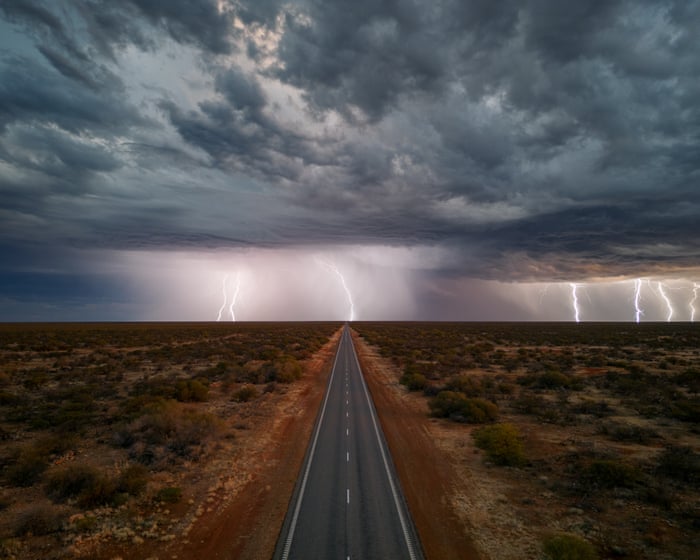
Scientists warn that lightning may be changing as the planet heats up, with potentially severe consequences. The Guardian examines the subject using comments from Australian climate researchers and recent reviews of the evidence.
The role and risks of lightning
Around the world there are an average of 60 lightning flashes a second. Each can release up to seven gigajoules of energy and briefly heat the surrounding air to about 30,000C. Lightning influences the nitrogen cycle, contributes to ozone production, helps break down greenhouse gases such as methane, and underpins the fire cycles of forests, savannahs and grasslands.
About a quarter of a million people are struck each year, with roughly 24,000 deaths. In Australia lightning kills five to 10 people a year and injures about 100. In July, more than 48,000 strikes ignited major wildfires in Canada and the north-west United States.
What projections show
A recent review, still under peer review, found projections ranging from an 11% decrease to a 44% increase in lightning per degree of global warming, with a mean increase of 7.5%. It also found broad agreement that lightning will increase at high latitudes. Andrew Dowdy, associate professor of climate science at the University of Melbourne, says some conditions favouring thunderstorms can be enhanced in a warmer world, but large uncertainties remain.
Dry lightning and fire
The Emergency Leaders for Climate Change in Australia warns that fires started by dry lightning, which strikes without accompanying rain, are increasing. Forests in the country's south-east recorded 50% more dry lightning strikes in 2000–2016 than in the previous two decades. Dowdy notes that lightning fires tend to burn larger areas because they start in remote places and often in clusters.
Jason Evans, professor at the Climate Change Research Centre at the University of New South Wales, describes a "massive increase" in pyrocumulonimbus events, thunderclouds created by intense fires, in Australia. The 2019–2020 black summer fires saw almost as many as the previous 40 years combined.