Phosphate and potassium key to winter cereal establishment, UK body says
The UK's Potash Development Association says winter cereals need good soil structure and adequate phosphate and potassium. These nutrients support root growth and help plants withstand cold.
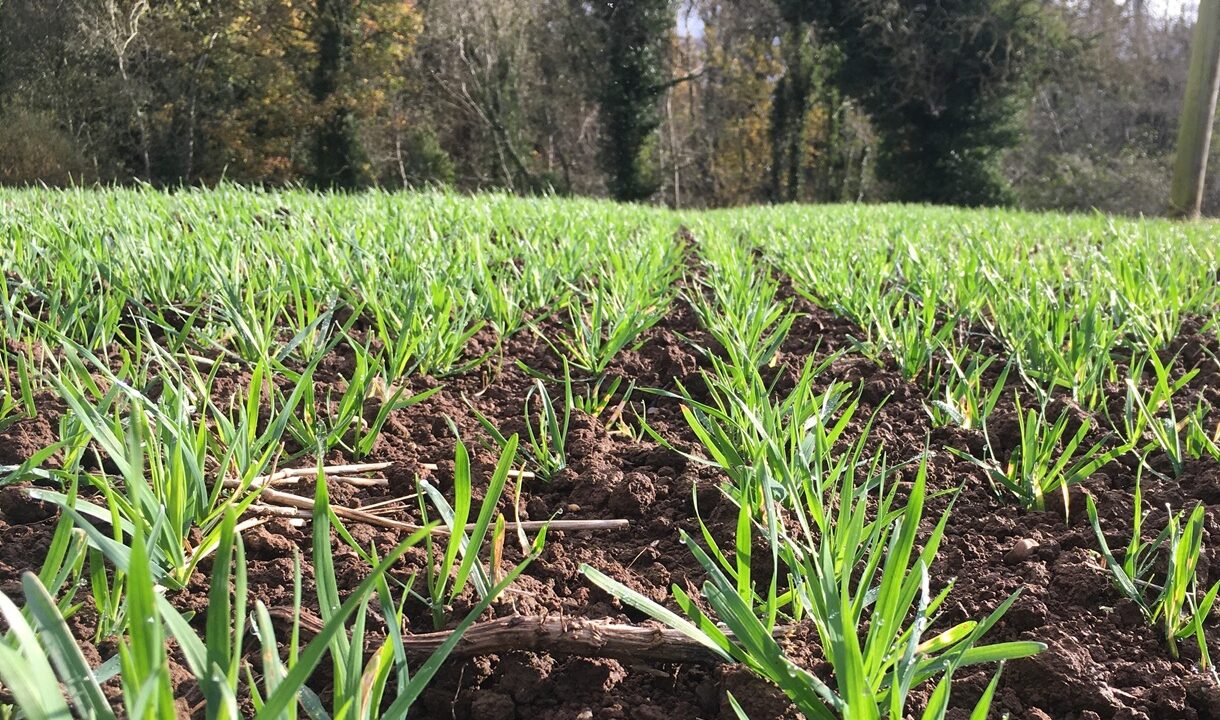
The Potash Development Association (PDA), a UK body that promotes knowledge on potassium use in farming, stresses that both soil structure and soil chemistry matter for establishing winter cereals, which are sown in autumn and remain in the field through winter.
Preparing the soil
Soil should be well structured, and any compaction from the past 12 months or from harvesting the previous crop should be fixed. That lets roots grow unimpeded and reach more soil to take up nutrients and water. The soil should also be at neutral pH, with phosphorus (P) and potassium (K) indices at the target level of 2 for combinable crops.
Phosphate
Phosphate moves little in soil, while seedlings have small root systems, so soil must hold enough of it. At this stage it is involved in root growth and development. A shortage reduces lateral root formation and limits root elongation. Every centimetre of root touches an extra 130 tonnes of soil per hectare. A plant with a good root mass going into winter is healthier and better protected against cold in winter and drought stress in spring.
Potassium and cold tolerance
Plants also need potassium in autumn to improve cold tolerance and survive biotic and abiotic stresses. Cold stress can disrupt photosynthesis and growth, and in extreme cases freezing water inside cells causes membrane failure and cell death. High potassium concentrations lower the freezing point of the cell solution, reducing cold damage and supporting yield. Frost damage in potassium-deficient plants can also be linked to water deficiency.
Effect on crop yields
Estimates put the highest potential productivity loss down to weeds (32%), followed by animal pests (18%), fungi and bacteria (15%) and viruses (3%). A review of 2,500 references found that potassium application cut the incidence of fungal diseases by 70%, bacteria by 69%, insects and mites by 63%, viruses by 41% and nematodes by 33%.