Winter milking herds: why proper colostrum management matters for newborn calves
Farmers with winter-calving dairy herds need to make sure November-born calves receive enough good-quality colostrum. It determines the calves' health and survival.
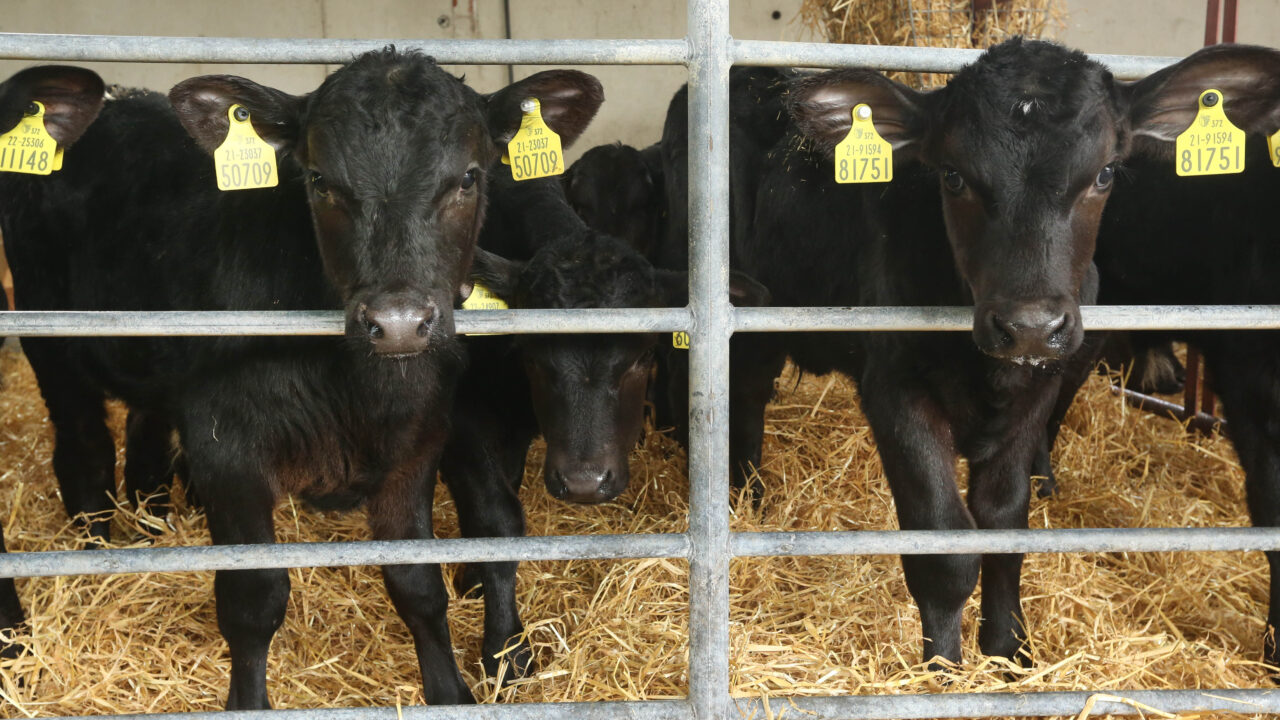
Many calves are still being born in dairy herds that milk through the winter. Agriland UK, a farming news outlet, reminds farmers that November-born calves need proper care, because the amount and quality of colostrum (also called beestings) they receive affects their health and survival.
Colostrum is the first milk a cow produces after calving. It then changes to transition milk, which covers the second to eighth milking. It contains immunoglobulins, energy, cytokines and growth factors, along with higher levels of vitamins and minerals and a higher fat and protein content.
The 1, 2, 3 rule
- feed colostrum from the first milking;
- feed within two hours of birth;
- feed 3 litres of clean, safe colostrum.
Checking quality
Before feeding, quality should be measured with a Brix refractometer, which shows the amount of immunoglobulins. Ideally the reading should be above 22%, which corresponds to at least 50 mg/ml of immunoglobulins. Anything below 22% is not considered good quality.
Storing and reheating
Surplus colostrum need not be wasted. It can be kept at 4°C for two days, or frozen at -18° to -25° for at least a year, without losing quality. If stored at an incorrectly warm temperature, immunoglobulin absorption falls as bacterial contamination rises. Frozen colostrum can help if a freshly calved cow has problems such as mastitis.
Thawing must be slow, below 50°C, for example in a bucket of hot water. Microwaves and similar heating devices should not be used, because excessive heat can cause the proteins to coagulate. Colostrum kept in a fridge should also be warmed in a bucket of warm water, with strict hygiene maintained. Calves can be fed when it reaches about 38°C; it should never be hotter than 50°C.