Bluetongue can be symptom-free in cows yet still cost farms dearly
Bluetongue virus (BTV) often causes mild or no signs in cattle but can reduce milk yield, fertility and calf health. Polish outlet topagrar also reports on upcoming EU rule changes.
Bluetongue disease (BTV), a viral animal disease, is mostly associated with sheep, but cattle can be infected too. The Polish farming outlet topagrar explains that in cows the infection may be almost symptom-free, yet it can still affect milk output, fertility and calf health. The consequences sometimes surface only weeks or months after infection.
Symptoms and effects
Fever, reduced appetite and rumination, conjunctivitis and lower milk yield may accompany the disease. Often, however, signs are non-specific or absent altogether. Reproductive problems, abortions, health problems in calves and higher culling are also possible, so losses on a farm are not always visible during the infection itself.
Vectors in winter
The virus is spread by biting midges of the genus Culicoides. For years it was assumed that low temperatures limit transmission, but some insect species can survive the cold, including as adults. Livestock buildings, with a microclimate different from the outdoors, can serve as shelter. The season alone therefore does not guarantee that the risk has passed.
Pregnant cows
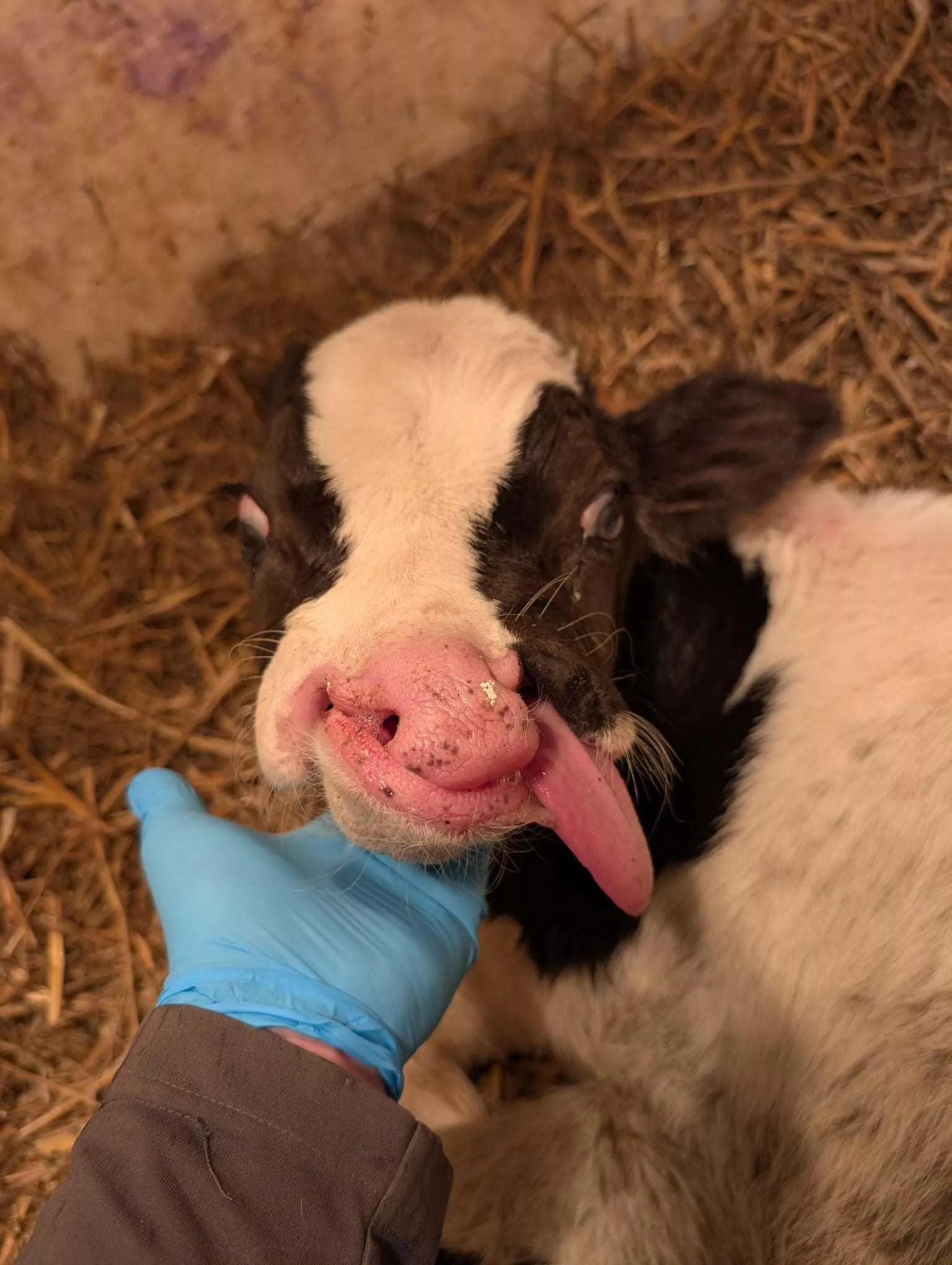
Infection of a pregnant cow can have particularly serious consequences. Serotype 3 of the virus can cross the placenta and damage the developing foetus. The greatest risk of severe developmental defects is linked to infection between roughly day 70 and day 130 of pregnancy, and the effects may only become apparent at calving, many months later. A calf may be born alive but struggle to stand, walk and take in colostrum. Reported problems include loss of coordination, a weakened sucking reflex and serious nervous system damage.
Protection and rule changes
Limiting animals' contact with insects, checking the origin and movement of animals, and monitoring the herd can help reduce risk. Special attention should go to abortions, stillbirths and calves with neurological signs. Vaccination matched to the virus serotype and planned ahead remains a key pillar of protection.
Veterinarian Dominika Ptak says EU rule changes are planned to take effect on 1 November 2026, having originally been scheduled for July. BTV is to be reclassified from category C+D+E to D+E, moving away from the existing rules on official disease-free status and eradication programmes. The changes may affect the movement of cattle, sheep and goats, including trade between EU states. Veterinary requirements and disease surveillance will not end, however.