Scientists find long-clawed shrews may grow bigger snouts in winter
Japanese researchers have found that long-clawed shrews' snouts grow larger in winter even as the rest of their skull shrinks, a pattern they call the 'reverse Dehnel's phenomenon'. The discovery adds to understanding of how small mammals survive cold months.
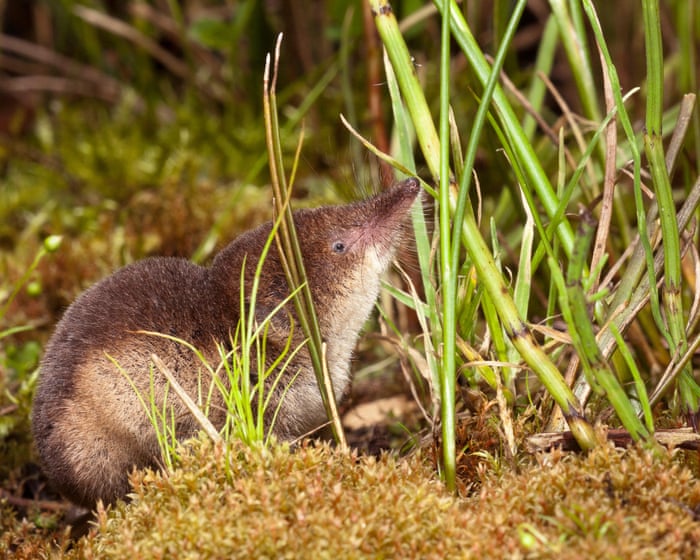
While humans reach for heated blankets and warm socks in winter, the long-clawed shrew has evolved a very different strategy — enlarging its snout. Researchers from Toyo University in Japan report the finding in the journal Proceedings of the Royal Society B.
Scientists already knew that some small mammals, such as the common shrew and the European mole, reversibly shrink their body mass, skull size and brain mass over winter, regaining them in spring — a pattern known as Dehnel's phenomenon. The new study, led by Dr Yugo Ikeda, found similar shrinkage in the long-clawed shrew, but discovered the snout does the opposite, growing larger. The team dubbed this the 'reverse Dehnel's phenomenon'.
The researchers examined 136 skulls of long-clawed shrews collected in Hokkaido between 1948 and 1988, now held at the Botanical Garden of Hokkaido University. Because repeatedly measuring live wild shrews without harming them is essentially impossible, the historical specimen collection was used instead, covering shrews at every stage of their roughly one-year lifespan.
Tracking 16 skull measurements by month, the team found that shrews collected between January and April had a brain case height 12% smaller than younger shrews collected in August and September. Meanwhile, snout height was 7% larger and snout width 6% greater in the winter-collected shrews. Ikeda said this reflected a genuine physical change in bone structure, not merely an illusion of proportion.
The changes proved reversible: shrews that survived winter and were collected again in autumn of their second year showed renewed brain case height, while snout width, though not height, had shrunk back. The researchers propose several explanations, including thermoregulation — a larger nasal cavity may house a denser network of blood vessels that warms cold inhaled air before it reaches the winter-shrunken brain. A bigger snout could also improve the shrews' ability to sniff out prey such as earthworms. A third possibility, that the change strengthens the snout mechanically for tougher food, found little supporting evidence.
Ikeda said the team now plans to investigate whether similar seasonal patterns occur in three other shrew species found in Hokkaido.

