Scientists discover Giant's Causeway formed by 'globally significant' volcanic event
New research shows that Northern Ireland's Giant's Causeway was created much faster than previously thought, and its origin is linked to a major volcanic event 60 million years ago.
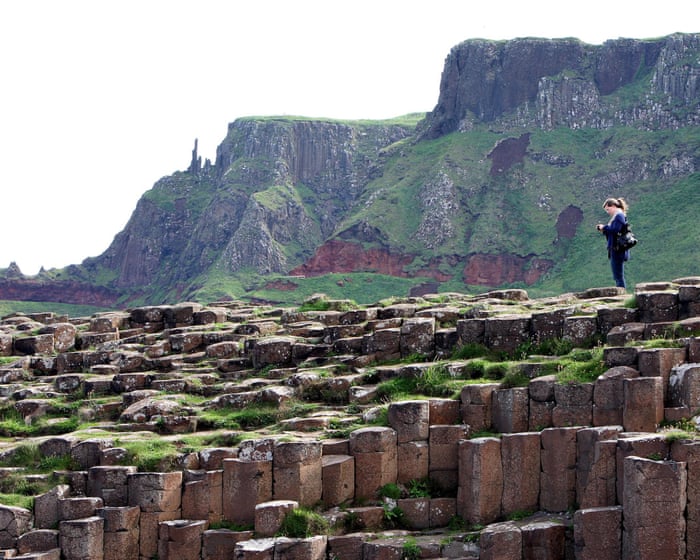
The Giant's Causeway on the coast of Northern Ireland, a UNESCO World Heritage site consisting of about 40,000 interlocking basalt columns, has been the subject of Irish folklore for centuries. Legend tells of the giant Finn McCool building the causeway to cross the sea and fight his Scottish rival Benandonner. But scientists have now provided a more precise geological explanation.
Dr Simon Tapster, a geochronologist at the British Geological Survey (BGS), and his team have determined that these remarkable columns were formed by intense volcanic activity about 60 million years ago, which lasted only 5.5 million years – 8 million years less than previous estimates.
For the first time, researchers were able to definitively connect the first lava flows on the Northern Irish plateau to the same volcanic activity that formed the basalt columns in Fingal's Cave on the Scottish Hebridean island of Staffa – rocks previously thought to have formed millions of years after the Causeway. The study also links rock formations in the nearby Mourne Mountains, the Isle of Rùm in the Hebrides, and magmatic activity on the Isle of Skye to this event. This allows scientists to place the formation of the Giant's Causeway within a more precise global geological context and create a new timeline for volcanic activity across Northern Ireland.
Dr Tapster explained that by piecing together the tapestry of volcanic rocks across the North Atlantic, they were able to reassess a major globally impacting volcanic event and show that it occurred in a much shorter duration.
The columns formed when thick molten rock rose through cracks in the Earth's crust. As the lava cooled and contracted, stress and tension built up, forcing the rock to fracture into mostly hexagonal columns, though some have four, five, seven or more sides. While the legend of giants may continue to captivate tourists, the scientific story behind this dramatic landscape is equally fascinating.